 Clapham Board Game Night Finder: New to London Meetups
Weekend Plans
London Horror Experience Near Me: Jack the Ripper Museum
Explore the Jack the Ripper Museum on Cable Street, examining forensic crime scenes, authentic Victorian mortuary artifacts, and the unsolved 1888 East End murders.
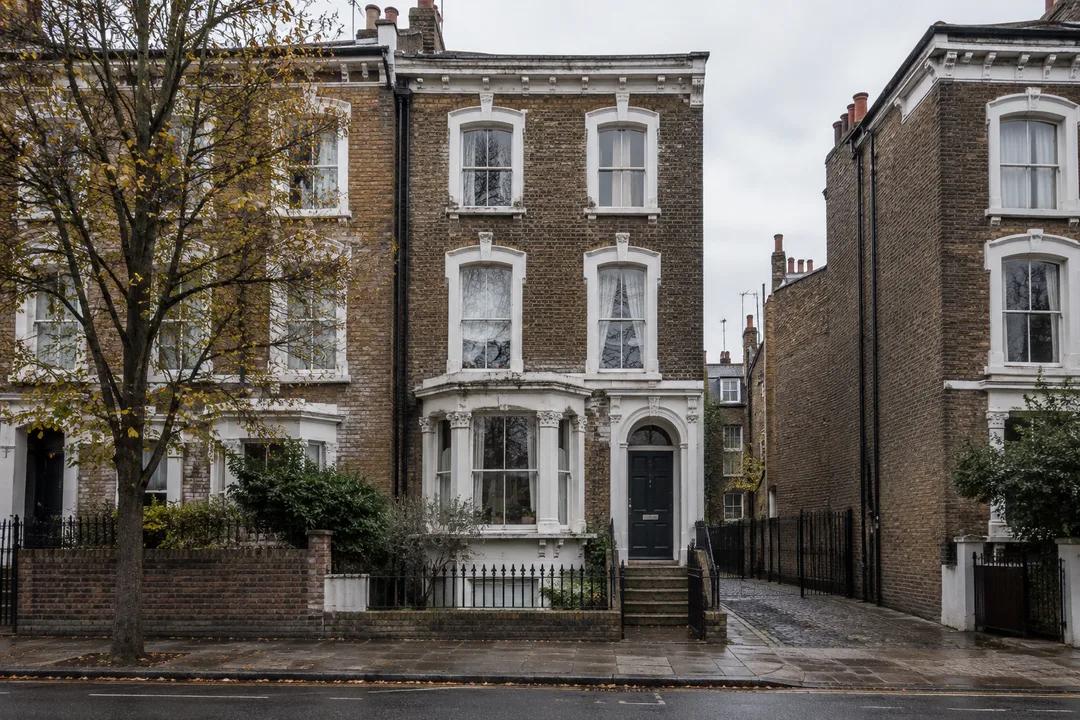
The Jack the Ripper Museum occupies a six-story converted Victorian townhouse at 12 Cable Street, London E1 8JG, located in the historic heart of Whitechapel. Opened in August 2015, the specialized museum provides an immersive forensic exploration of the unsolved 1888 serial murders that terrorized the Victorian East End. Rather than presenting conventional glass display cases, the institution reconstructs key crime scenes across six carefully dressed floors, complete with flickering gas lamps, authentic nineteenth-century police archives, mortuary tables, and period domestic interiors. The walkthrough examines both the criminological investigation led by Scotland Yard and the socio-economic hardships endured by the five canonical victims.

Investigating Victorian Crime Scenes Across Six Immersive Levels
Visitors ascend through the townhouse floor by floor, beginning on the ground level with a life-sized recreation of the Mitre Square crime scene from September 30, 1888. The staging depicts Police Constable Edward Watkins discovering the body of Catherine Eddowes beneath a cast-iron streetlamp, accompanied by cobblestone paving, wooden crates, and authentic period police whistles. Ambient soundscapes simulate horse-drawn carriages clattering over wet stones and distant harbor horns from the nearby London docks.
On the second floor, guests step inside a speculative recreation of the murderer's private sitting room. Styled as the study of an educated nineteenth-century medical practitioner, the chamber features polished mahogany bookshelves, anatomical charts, vintage bottles of chloroform, and surgical dissection scalpels displayed beside an antique writing bureau. Pinned suspect dossiers on the walls outline leading historical theories regarding Montague John Druitt, Walter Sickert, and Aaron Kosminski, allowing visitors to evaluate competing forensic theories.
The third level depicts the Leman Street police station, where investigators including Inspector Frederick Abberline coordinated searches across Whitechapel. Visitors can examine original Scotland Yard incident ledgers, reproduction "Dear Boss" and "From Hell" letters, vintage handcuffs, and heavy truncheons used by Metropolitan Police officers during the Autumn of Terror.
Within this operational incident room, visitors examine the pioneering Victorian forensic methods deployed during the manhunt. Original police ledgers document the daily patrol rosters of the H Division police force, alongside early forensic photography experiments and attempts to deploy bloodhounds Barnaby and Burgho across the East End alleys. Replicas of the taunting letters sent to the Central News Agency, including the infamous red-ink correspondence delivered with a preserved human kidney to George Lusk of the Whitechapel Vigilance Committee, are displayed with accompanying handwriting analyses from contemporary Victorian clerks.
The Mortuary, Forensic Evidence, and The Victims' Memorial
The fourth floor houses a somber recreation of the Golden Lane mortuary, where medical examiners conducted autopsies on the murdered women. An authentic Victorian metal examination table sits under cold directional lighting, surrounded by period surgical trays, bone saws, and glass specimen jars. Wall panels display historical post-mortem sketches and medical inquest testimonies, emphasizing the brutal precision that led contemporary detectives to suspect the killer possessed professional surgical training.
The mortuary exhibition also explores the broader medical context of Victorian London's voluntary hospital system. The room details how coroners Wynne Edwin Baxter and Roderick Macdonald conducted inquests inside local working men's clubs and vestry halls due to a lack of dedicated public mortuary facilities in Tower Hamlets. Detailed placards examine the physical evidence recovered from Mitre Square and Dutfield's Yard, offering sobering insights into how poverty, unlit streets, and dense tenement housing complicated Scotland Yard's surveillance efforts throughout the autumn of 1888.
Ascending to the fifth floor brings guests to a reproduction of 13 Miller's Court, the tiny ground-floor lodging off Dorset Street where twenty-five-year-old Mary Jane Kelly was murdered in November 1888. The room features a simple iron bedstead, patterned Victorian wallpaper, and a cast-iron stove, providing a poignant domestic perspective on the impoverished lodging houses of late Victorian Spitalfields.
Importantly, the museum dedicates significant space to honoring the lives of the five canonical victims: Mary Ann Nichols, Annie Chapman, Elizabeth Stride, Catherine Eddowes, and Mary Jane Kelly. Exhibits display surviving personal effects, including bonnet ribbons, workhouse registration cards, and family portraits. The curation highlights their personal dignity, occupations, and resilience, providing essential human balance against the macabre mythology of the unidentified perpetrator.
Admission Prices, Ticket Options, and Visiting Recommendations
The Jack the Ripper Museum maintains an affordable, transparent pricing structure. General admission for adults aged 16 and over costs £12.00 when pre-booked online in advance, compared to £14.00 for walk-up tickets purchased at the box office. Admission for children aged 8 through 16 is priced at £10.00, and senior citizens aged 65 and over also receive concessionary admission for £10.00. Children under eight years old enter free of charge when accompanied by a paying adult.
Due to graphic crime scene illustrations and morgue medical depictions, management suggests parental discretion for visitors under the age of 12. Combined tickets that bundle museum admission with guided weekend Whitechapel walking tours depart directly from the front entrance, offering historical context across surviving alleyways. All transactions at the reception desk and museum bookstore are cashless, accepting major credit cards, debit cards, and contactless mobile options.
The museum is open daily throughout the year from 9:30 am to 6:00 pm, with last admission welcomed forty-five minutes before closing at 5:15 pm. A comprehensive visit through all six levels typically takes between 45 and 75 minutes. The townhouse features narrow wooden staircases between floors, meaning that visiting during the quieter morning hours between 9:30 am and 11:30 am or late afternoons after 4:00 pm provides ample room to read investigative plaques without crowding.
Because the attraction is situated inside a heritage residential building, step-free access is restricted, and visitors must climb several flights of stairs to access upper floors.
East End Transit Routes, Historic Music Halls, and Dockside Pubs
Reaching 12 Cable Street is straightforward from central London. Tower Hill Underground Station, served by the District and Circle lines, is a leisurely seven-minute walk eastward along Royal Mint Street and Cable Street. Alternatively, Aldgate East Underground Station on the Hammersmith & City line sits a seven-minute stroll north, while Shadwell Station on the London Overground and DLR networks is six minutes east.
After exploring the crime exhibits, delve deeper into historic East London culture. Just three minutes west along Ensign Street sits Wilton's Music Hall on Graces Alley. Established in 1859, it is the world's oldest surviving grand music hall, retaining its distressed brick interior, barley-twist iron pillars, and atmospheric cocktail bar.
For a traditional meal or craft beer, walk south toward Wapping High Street to The Town of Ramsgate or The Captain Kidd, an 18th-century riverside tavern overlooking the Thames near the historic Execution Dock. Alternatively, walk ten minutes north to Commercial Street for salt beef sandwiches at Beigel Bake on Brick Lane, concluding a memorable day immersed in Whitechapel's dark historical heritage.
Ask Karpo for more information.
Keep reading
- Clapham Board Game Night Finder: New to London Meetups
 Marylebone Board Game Night Finder: Baker Street Mysteries
 Notting Hill Board Game Night Finder: Two-Player Rainy Dates