 Brixton Vintage Thrift Shop Finder: South London Retro Gems
Hidden Gems & Odd Finds
Borough Holiday Baking Supply Shop Finder: Market First
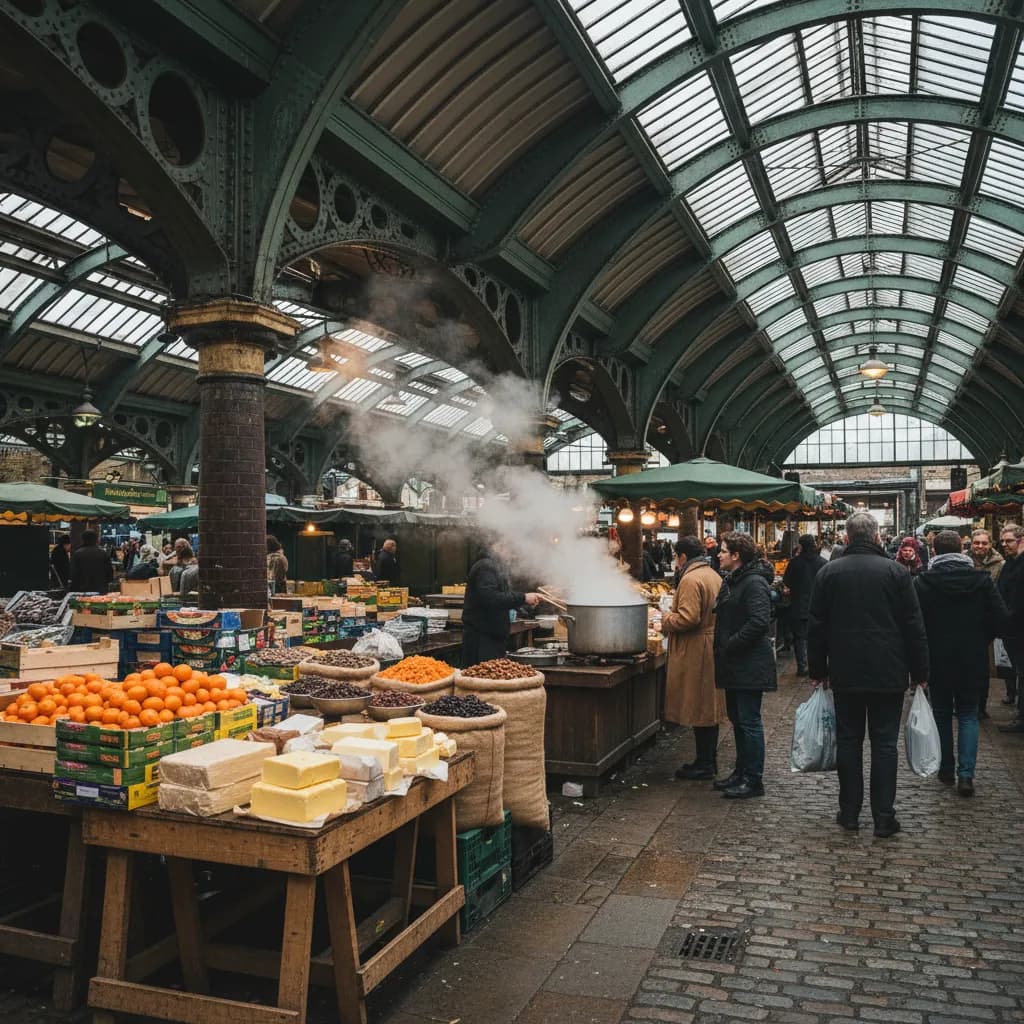
In Borough, holiday baking supplies start at the market: butter, fruit and spice from the traders, then tins and tools from cook shops a short walk away.
Borough is where a London holiday bake begins with the shopping basket rather than the cake tin. The food market under the railway arches near London Bridge has drawn cooks for generations, and in December its traders stack butter, dried fruit, citrus and whole spices in a way no supermarket aisle can match. This holiday baking supply shop finder treats Borough as an ingredients-first trip: gather the things that decide how a Christmas cake or a tray of mince pies will taste, then pick up any missing tins and tools on the walk home.
Why Borough Works for Ingredient-Led Bakers
Most festive bakes rest on a handful of ingredients, and Borough happens to be strong on almost all of them. Cultured butter for shortcrust, farmhouse cheeses for a savoury bake, candied peel that still tastes of orange, plump vine fruit, fresh nuts in their shells and whole nutmeg that you grate yourself. When these come from a trader who can tell you where they were made, the finished cake carries that difference. A recipe you have baked for years can taste new simply because the raisins were better.
The market also rewards the kind of baker who likes to ask questions. Stallholders here are used to being quizzed about which butter has the higher fat content, which flour suits a laminated pastry, or how long a dried fig will keep. You will often walk away with a tip as useful as the produce, such as soaking fruit in tea rather than brandy for a family cake, or swapping some sugar for dark muscovado. That conversation is half the reason to come.
Plan the Basket Before You Arrive
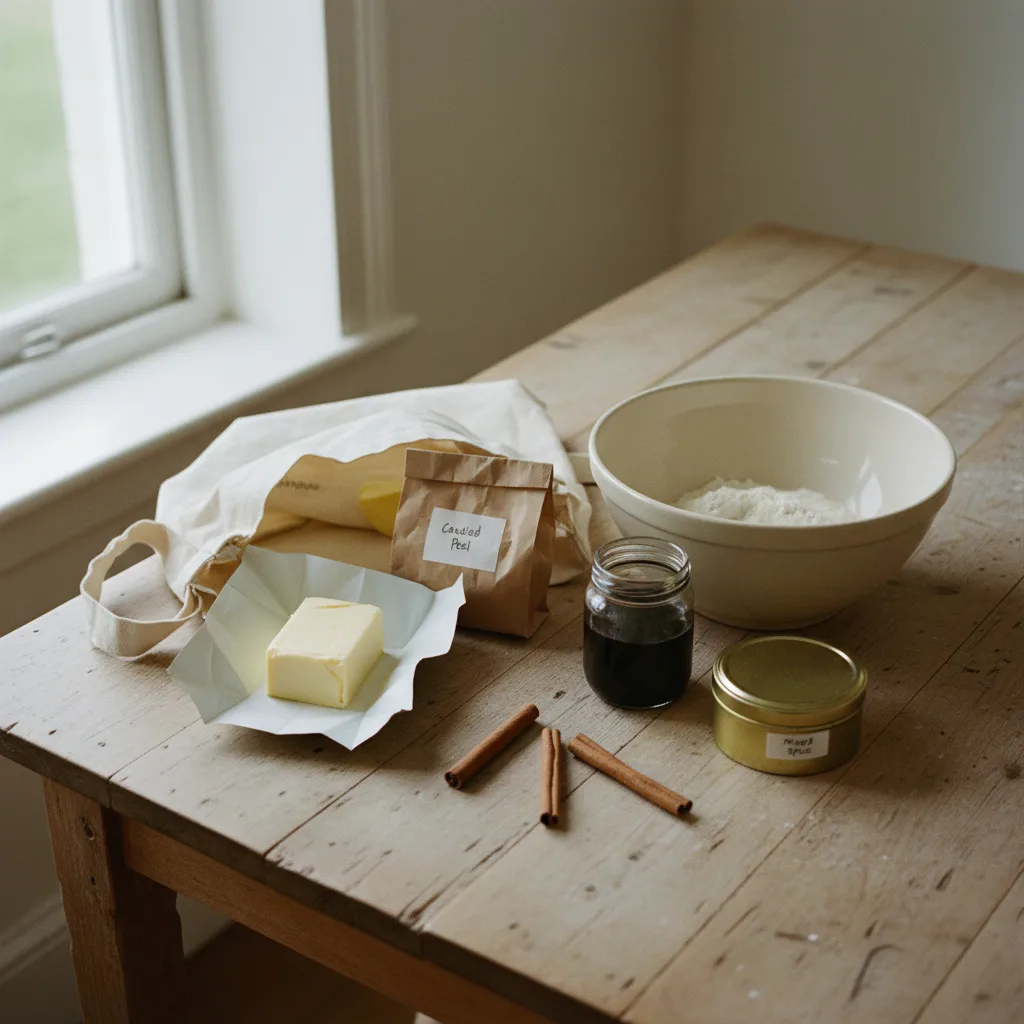
Borough in December is lively, and wandering without a list is how a twenty-minute errand becomes a two-hour lunch. Write down each bake you plan and break it into ingredients, then sort them into three groups: things only the market does well, things any corner shop can supply, and equipment. Buy only the first group here. Flour, caster sugar and eggs are heavy and widely available, so there is no reason to carry them across a crowded hall when you could collect them nearer home.
Bring a sturdy bag with a flat base and a small cool bag for butter and cream, since the walk back through busy streets can be long. Ask traders to wrap anything fragile, like a slab of marzipan or a box of glacé cherries, separately. If you are baking for a crowd, order larger quantities of the key ingredient a few days ahead. Stallholders appreciate the notice, and it saves you from arriving to find the last of the good butter has gone.
Timing Your Visit Around the Crowds
Weekday mornings are the friendliest time for a focused shop. The halls feel calmer, the traders have time to talk, and you can see the full range before the lunchtime rush from nearby offices fills the lanes. Saturdays bring the biggest choice of seasonal specials but also the thickest crowds, which makes it hard to compare stalls or stop for a taste. If Saturday is your only option, go early and leave the hot food queues for later.
The honest advice is to skip the market altogether on the last weekend before Christmas unless you enjoy shuffling. Many people buy their festive cheese and meat in those final days, and the lanes can slow to a crawl. Bakers have an advantage here, because cake and pudding ingredients keep well. Shop in late November or early December, store the fruit and spices properly, and you will have everything in hand while others are still queuing.
Filling the Gaps With Tins and Tools
Once the ingredients are sorted, the walk west along the river or north over the bridge brings you within reach of cook shops and department store kitchen floors where you can buy what the market does not sell. Think springform tins for cheesecake, deep round tins for a fruit cake, mince pie trays with shallow wells, and a fine grater for citrus zest. A sheet of baking parchment and a roll of brown paper for wrapping a slow-baked cake are easy to forget and hard to improvise.
Before buying new equipment, check what is already in your cupboard and measure it. A recipe written for a twenty-centimetre tin behaves differently in a twenty-three, and more than one festive cake has been spoiled by guesswork about size. If you only bake a Christmas cake once a year, a good-quality tin you can reuse is a better buy than a disposable foil one that buckles in the oven and leaves the edges uneven.
Who This Route Suits
This route is ideal for bakers who care about flavour more than decoration, for anyone making a traditional cake, pudding or batch of mince pies that relies on quality fruit and fat, and for people who enjoy a slow morning of browsing with a coffee in hand. It also suits newer bakers who want guidance, since a stallholder's advice can rescue a first attempt at pastry. It is less useful if your project is mostly about sprinkles, edible glitter and character cutters, which other parts of London do better.
Families can make it work with a little planning. Give children a small job, like choosing the candied fruit or counting out whole nutmegs, and promise them a treat from one of the bakery stalls at the end. Keep the visit short, keep the list tight, and finish with a walk along the river toward the old warships and bridges so that the trip feels like an outing rather than a chore.
Storing What You Bring Home
The best ingredients lose their edge if they are stored badly. Keep dried fruit and nuts in airtight jars away from the stove, and wrap butter tightly so it does not take on fridge smells. Whole spices last far longer than ground ones, so grind only what each recipe needs. If you plan to feed a fruit cake over several weeks, buy the spirit or tea at the same time as the fruit and mark a feeding date on the calendar so nothing is forgotten.
Using the Karpo APP to Plan the Trip
Before setting out, open the Karpo APP and search for baking ingredient stalls, cook shops and kitchen stores around Borough and London Bridge. Compare what sits closest to your route, save a short list, and use it to shape the walk from market to tins. Then contact the traders or shops directly if you need a particular item set aside. A little planning turns a hectic December errand into a satisfying morning that ends with a bag full of better baking.
Ask Karpo for more information.
Keep reading
- Brixton Vintage Thrift Shop Finder: South London Retro Gems
 Notting Hill Vintage Thrift Shop Finder: Preloved Rails
 Soho Vintage Thrift Shop Finder: West End Designer Archives