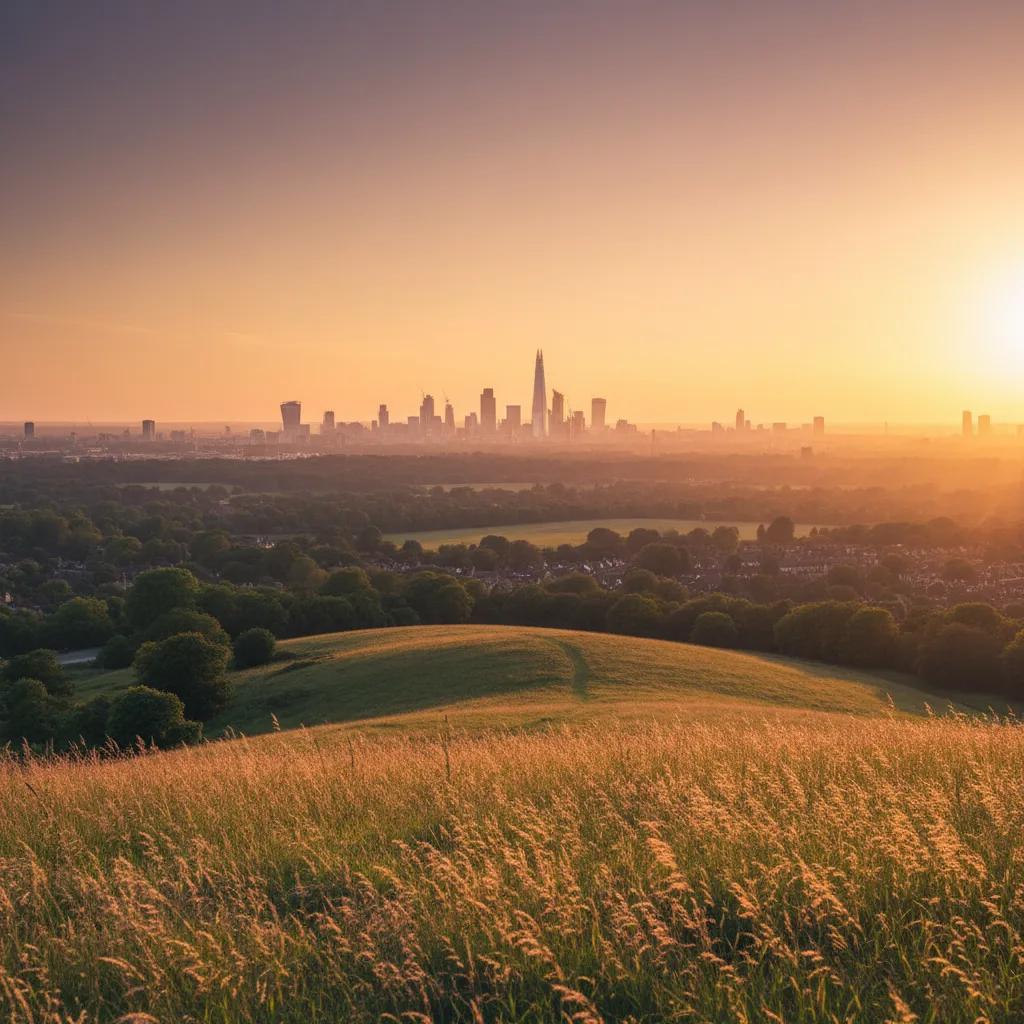
 Richmond Park Sunset Viewing Planner: Deer Meadow Horizons
Weekend Plans
Greenford Historic Canal Towpath Walk: Pause by the Lagoon
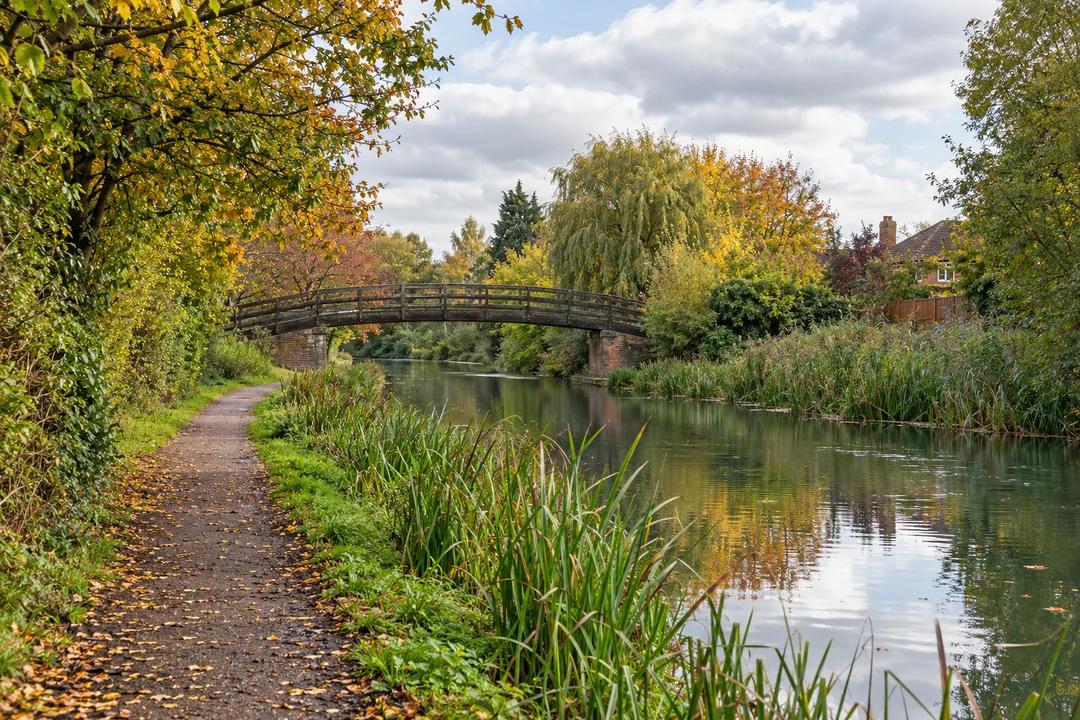
Greenford offers a historic canal towpath walk to Paradise Fields on a 2.2-mile return route, with steps, a canal crossing and a lagoon platform for pauses.
Greenford's historic canal towpath walk towards Paradise Fields combines the Grand Union Canal with a wetland pause, using Ealing Council's 2.2-mile return route from Horsenden Farm. Choose it for a change between an engineered waterway and a quieter place to watch the lagoon. The council's directions include a footbridge and steps, and explicitly say the route is unsuitable for wheelchairs. That makes this a walk to choose for its particular landscape, rather than a route to recommend indiscriminately to every group.
Make Paradise Fields the reason to turn
A waterside walk is easier to enjoy when the destination is more specific than simply getting further along the canal. Here, the council sends walkers to the viewing platform over the main lagoon at Paradise Fields before returning the same way. That gives you two different kinds of looking: following the long line of a canal, then stopping over a wider patch of water. The return is part of the design, so there is no need to invent an extra loop.
Horsenden Hill's landscape includes woodland, meadows and wetlands, with the canal forming an edge to its western section. Paradise Fields lies on the southern side of the waterway. Keep those relationships in mind rather than treating every green area nearby as interchangeable. The canal provides the connecting route, while the lagoon is the pause. The hill summit is a separate choice with a different character, and is not necessary to complete the council's canal-and-wetland outing.
Use the farm as a meeting point
Ealing's route begins and finishes at Horsenden Farm. Agree that meeting point before anyone sets off independently, especially if some people are approaching from a station and others by a different route. The council's park information identifies Perivale and Sudbury Town as nearby Underground options. Include the approach from your chosen station in the day's walking, rather than assuming the published 2.2 miles measures the whole journey from train door to train door.
From the farm, the council directs walkers down to the canal and then right along the towpath. The route continues through a sculpture trail and decorative wooden arch before reaching a pedestrian entrance. Use the official directions as a sequence of features, with a map for the wider setting. A photograph of an attractive bridge is less useful for navigation than knowing which stage of the route you have reached and what comes next after it.
The crossing is a real access decision
The published route crosses the canal on a pedestrian bridge, descends steps and continues along the opposite bank. This is the detail to discuss with anyone who finds steps difficult, rather than discovering it after the group has committed to the outing. A canal can look level while the way onto and across its towpath is not. Do not describe this walk as step-free or assume that a mobility aid will fit the route simply because the water itself is flat.
If the crossing does not suit someone in your party, choose a different outing together. Avoid improvising an unresearched alternative bank and promising that it reaches the same destination. Access is a practical constraint, not a small inconvenience to be hidden behind a scenic description. For a group that can comfortably use the steps, take the crossing without rushing and gather away from its foot so that other walkers can pass while you orient yourselves for the next section.
Follow the canal until the wetland entrance
After the bank change, the council's directions continue along the towpath until a wooden footbridge marks the area where the route turns through a metal gate into Paradise Fields. Keep the distinction between passing a bridge and crossing one clear in your notes. It is easy to read too quickly and turn every bridge reference into an instruction to change banks. Move through the route one stage at a time, rather than trying to reconstruct all of it from memory.
Along the canal, compare the movement of the water with the planted edges. This part of the outing is a connection through a working landscape, rather than an exhibition where every feature has a label. You can enjoy it without identifying every tree or knowing the age of each bridge. The Grand Union setting supplies the historical waterway context. The more specific attraction of this route is how that corridor leads into a wetland visit, giving the afternoon a distinct second setting.
Spend your still time at the lagoon
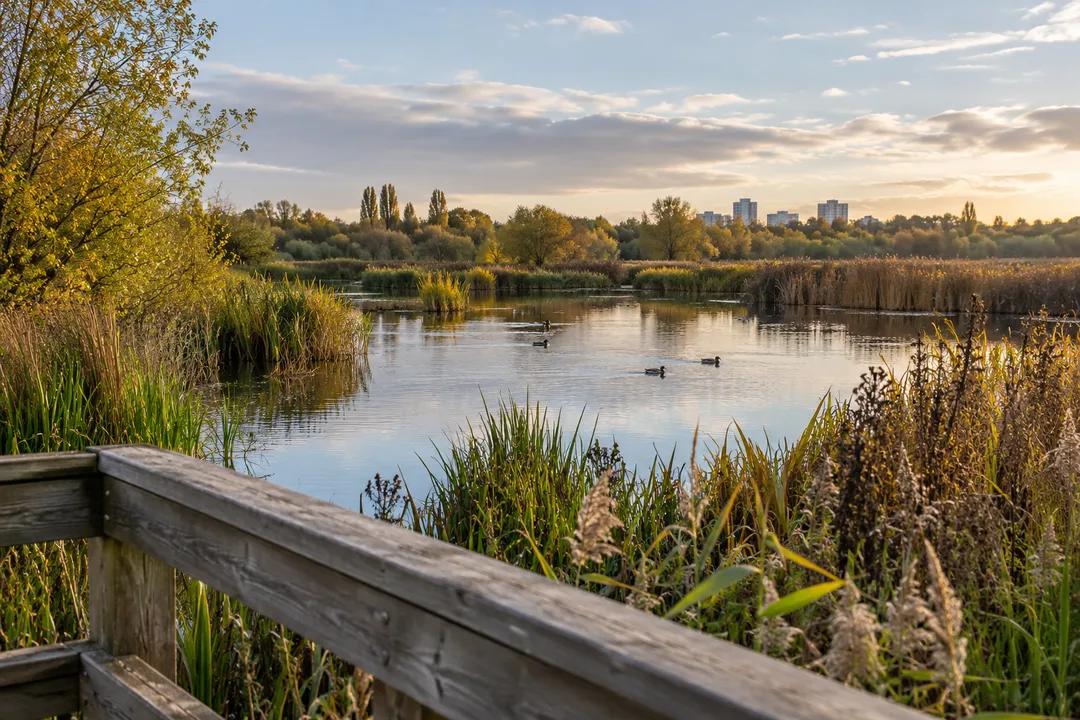
Paradise Fields includes reed beds, scrapes and lagoons, according to the council's description of the wider park. At the viewing platform, give yourself a pause before deciding there is nothing to see. Look across the water, then towards the edges where vegetation meets it. The route is suited to patient observation rather than collecting a promised list of birds. A species sighting depends on what is there during your visit, so regard each observation as something discovered rather than something owed.
With children, try asking everyone to notice a different movement: a bird on the surface, a stem shifting in the breeze or the pattern of ripples. This does not need specialist equipment or a competitive checklist. Keep voices low enough that the group can listen as well as look. If you bring binoculars, pass them around from a settled position. A short shared observation can make the platform feel like the destination, instead of just another place to take a quick photograph.
An out-and-back that changes on the return
Returning by the same route has an advantage: you know the crossing and the canal connection, so you can spend less attention anticipating the next turn. Notice what now faces the other direction, including the view along the water and the approach to the bridge. Resist judging the walk by how much new ground you cover. For an afternoon that combines gentle movement with a longer pause, familiarity on the return can be exactly what makes the outing feel manageable.
If your group still wants a further activity, separate it from the wetland route rather than casually extending everyone onto a hill walk. Horsenden's higher ground and woodland deserve their own decision about effort and footing. The council describes varied habitats across the site, so there is plenty to explore on another visit. Ending at the agreed farm meeting point honours the original plan and lets people decide individually whether to continue, rest or start their journey home.
Practical Notes for the canal and lagoon
Carry Ealing Council's “To paradise and back” directions, water and footwear suitable for an outdoor path. This article follows its 2.2-mile route, with a return from the lagoon platform to Horsenden Farm. It does not offer a wheelchair-accessible variation. Leave enough time for the approach, the steps and an unhurried wetland stop. In poor conditions, choose a shorter visit or a different walk instead of making a comfortable nature outing into a test of determination.
The photographs shown here are AI-generated editorial illustrations of canal and wetland settings, not documentary records of today's path or birdlife. For planning in the Karpo APP, specify Greenford, a canal walk with a wetland pause, and your group's access needs. That information is more helpful than asking for an unspecified scenic walk. The distinctive pleasure here is the shift from following a line of water to staying still beside a lagoon, then returning with the afternoon still your own.
Ask Karpo for more information.
Keep reading
- Richmond Park Sunset Viewing Planner: Deer Meadow Horizons
 South Bank Sunset Viewing Planner: Thames Riverside Walks
 Parliament Hill Sunset Viewing Planner: London Heath Vistas