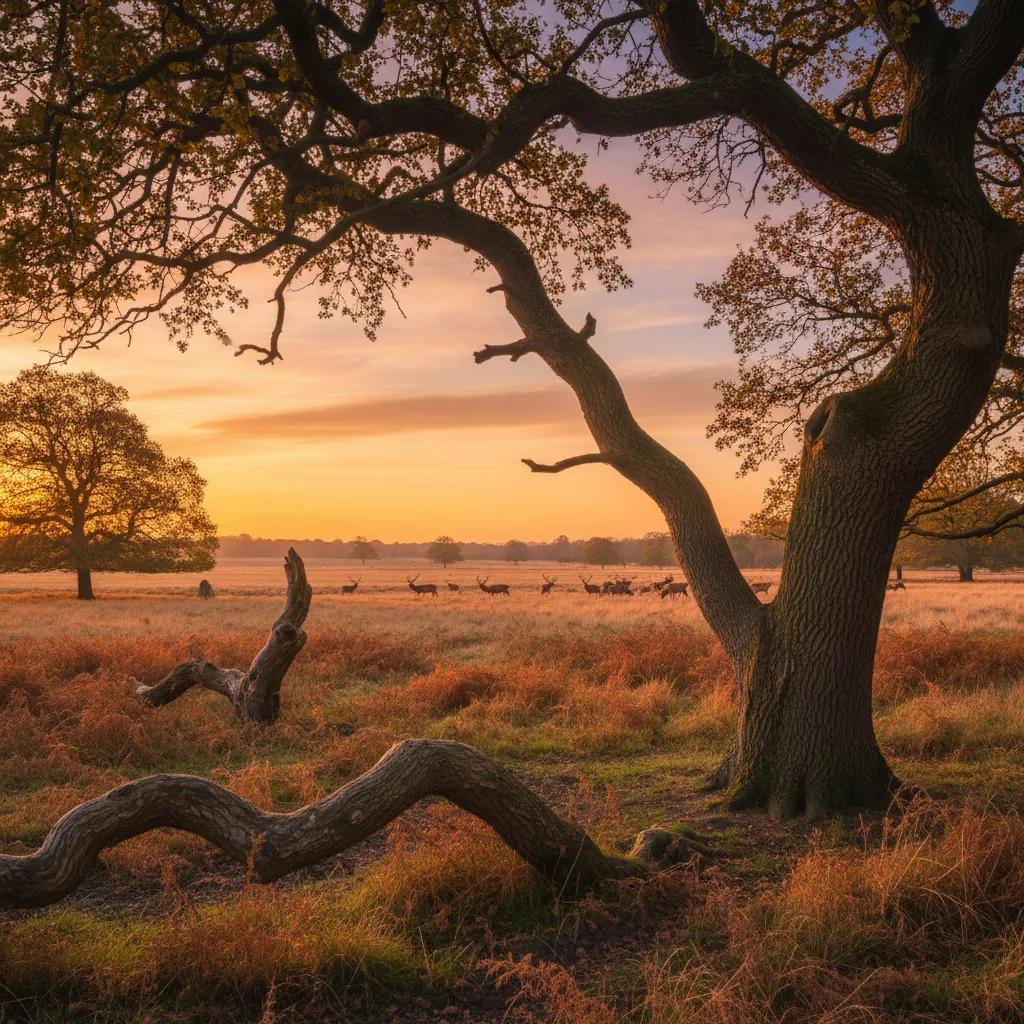
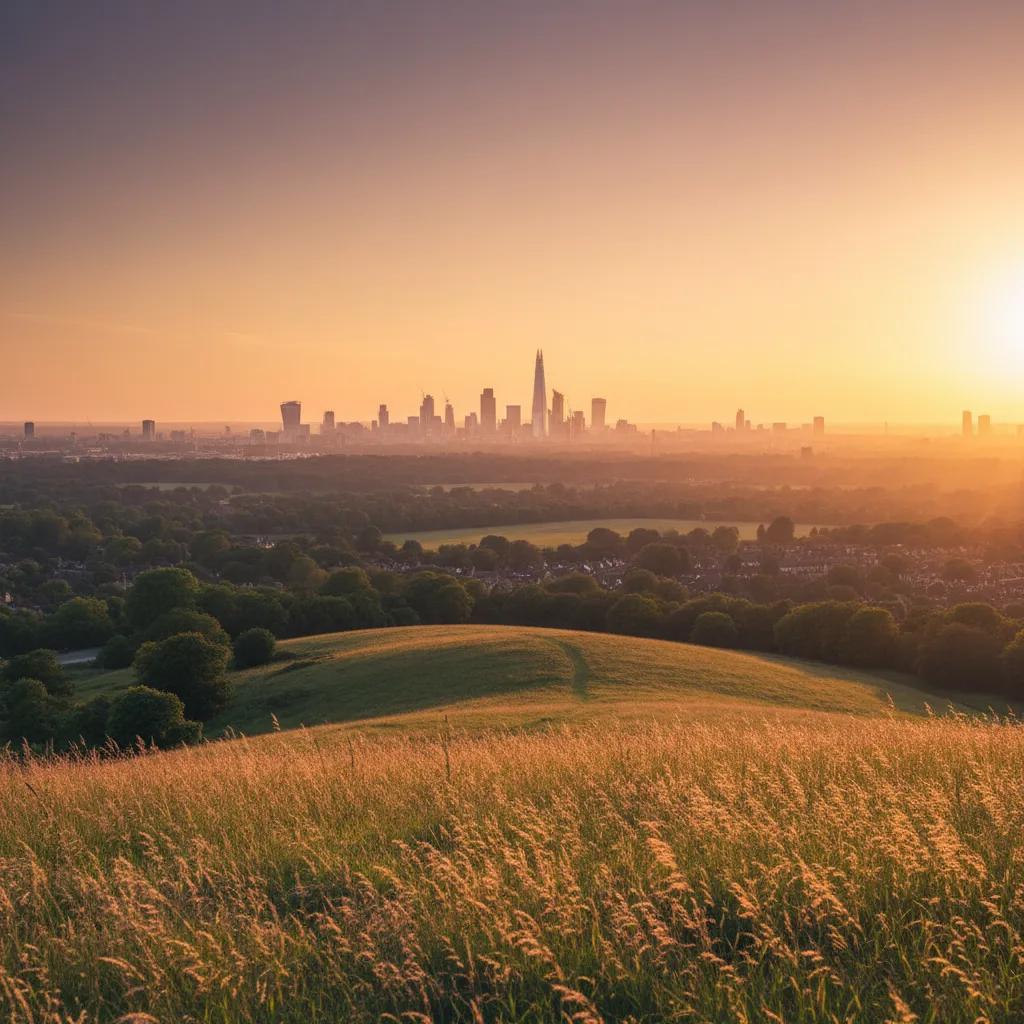
 Richmond Park Sunset Viewing Planner: Deer Meadow Horizons
Weekend Plans
London Hidden Courtyard Garden: Little Cloister Water Walk
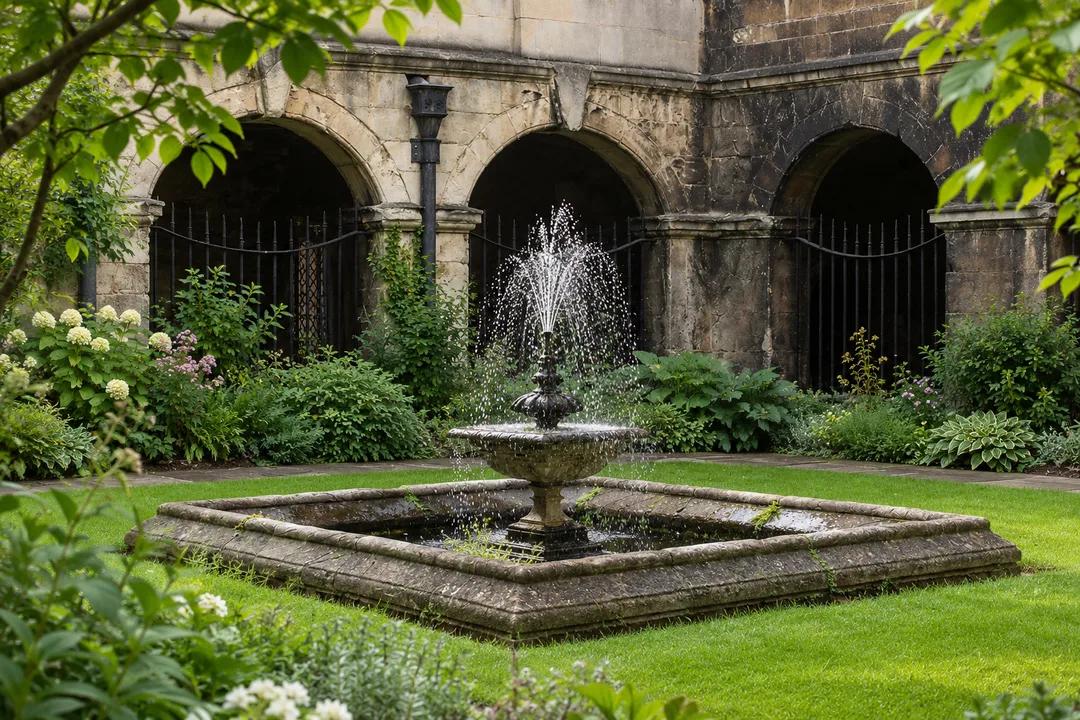
Westminster's Little Cloister Garden pairs a fountain and scented borders. Find a smaller London courtyard scene within the Abbey's wider garden setting.
The Little Cloister Garden gives a Westminster Abbey visit a smaller scale. Its fountain and scented borders draw attention toward an enclosed planted space, rather than toward the Abbey as a single monumental view. For a London hidden courtyard garden outing, make that change of scale the subject. Look at the garden as a room formed by its surroundings, with planting and water giving the eye a centre before it returns to the buildings around it.
Know which Abbey garden you are looking for
Westminster Abbey describes several different gardens, and their names matter. The Little Cloister Garden is distinct from College Garden and from the Garth enclosed by the main cloisters. Keeping those identities separate helps you choose what you actually want to see. A broad lawn, a main cloister and a smaller garden are different spatial experiences. Treating them all as one hidden garden loses the useful contrast between them before the visit has even begun.
The Abbey's account identifies a Victorian fountain and borders of scented plants in the Little Cloister Garden. Those features give this outing its particular focus. You can approach the space through the relationship between a central object and a planted edge. The fountain anchors the composition, while the borders invite a closer, less symmetrical kind of looking. You do not need an elaborate garden vocabulary to notice that difference or to enjoy how the two kinds of attention alternate.
The name Little Cloister also sets a useful expectation about scale. Rather than asking the garden to provide a long walk, let it concentrate a part of the visit. A small enclosure can be worth attention because it makes relationships visible at once. You can look from a fountain to a border and then to the surrounding architecture without needing to assemble a sequence of distant views. The experience is about holding those elements together.
Give the fountain a role beyond the centre of a photograph
A central fountain can become an automatic subject: stand opposite it, take a picture and move on. Try looking at what its position does instead. Does it draw your eye away from the perimeter? Does the garden read differently when the fountain is nearer the edge of your view? These are ways of understanding the design from ordinary visitor positions. They do not require occupying the centre of a route or finding an angle outside the space intended for visitors.
Water also offers a contrast in texture. Stone gives the eye an edge to follow, while a water surface may interrupt or soften that edge. If movement is visible, watch how it changes the apparent outline of the fountain. If the water is still, look at the way the form holds the centre without that movement. Either approach can be rewarding. The visit does not depend on promising that the fountain will be operating in a particular way.
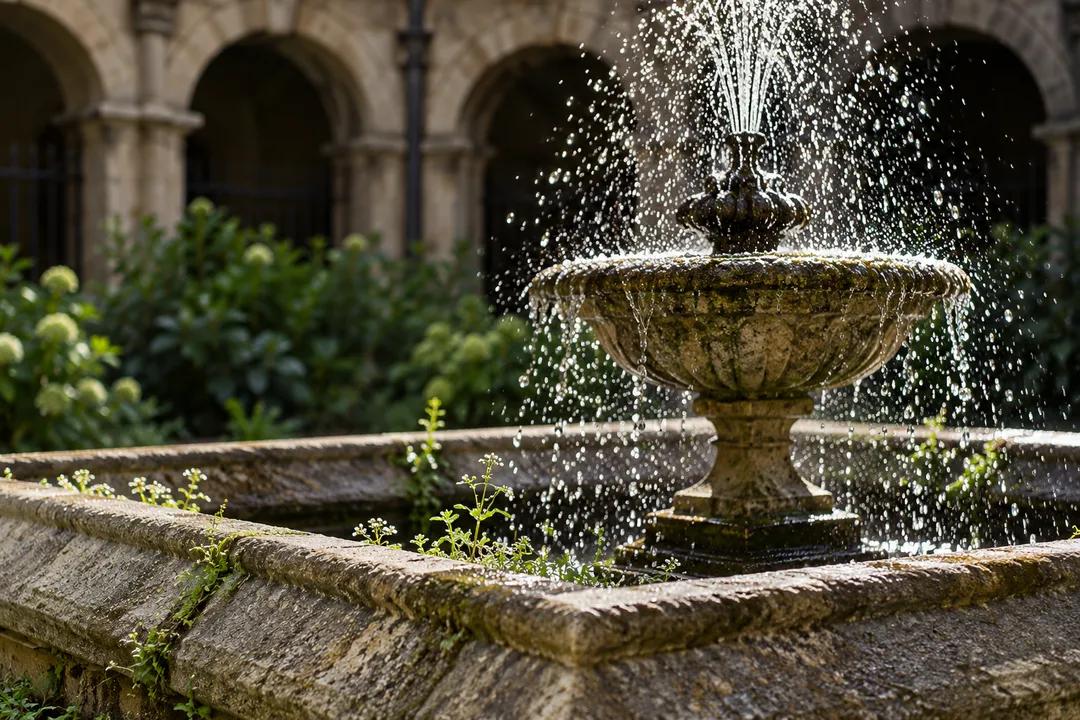
For a sketch, choose whether to make the fountain the subject or use it to establish the scale of the garden. In the first version, the planted border might be only a loose band of marks. In the second, the fountain can be a simpler shape inside a larger drawing of the enclosure. Deciding between those subjects makes the sketch more useful than trying to record every leaf and every architectural detail with equal weight.
Read a scented border with more than one sense
The Abbey's description makes scent part of the garden's character, but no planting offers the same experience in every season or weather condition. Let the border remain interesting even when a scent is not prominent. Look at the density of the planting, the difference between leaf shapes and the way a bed meets its boundary. An outing built around those relationships can stay satisfying without depending on a flower performing exactly as it did in a photograph.
Allow scent to reach you without picking or rubbing a plant. There is no need to turn close looking into handling, especially when you do not know the specimen. You can enjoy the idea of a scented border without identifying every plant or assigning a use to it. That restraint keeps the visit centred on the garden's composition. It also leaves the planting intact for someone arriving with a different season, a different sense of smell or a different interest.
The combination of scent, fountain and enclosure offers a more intimate subject than the broad image of Westminster that many visitors carry with them. This does not mean the garden is necessarily silent or empty. Intimacy comes from scale and relationship, not from having a place to yourself. The garden can remain a small room in your attention even when other people are looking at the same fountain or pausing beside the same border.
Keep a view into a private garden separate from access
The Abbey notes that the garden within the ruins of St Catherine's infirmary chapel can be viewed from the Little Cloister. It describes that garden as private. That distinction is essential to a thoughtful visit: being able to see a planted space does not mean it is part of the route you can enter. A view can be appreciated from the place provided for it. Do not turn a glimpse through an opening into an invitation to cross a boundary.
There is also a visual reason to respect the distinction. A garden seen from outside becomes a framed composition, with the opening doing some of the work of selecting the view. The Little Cloister Garden, by contrast, is the subject of the surrounding space you are considering here. Those are different experiences. You can compare them without conflating their names or using a picture of one as though it showed the other.
That awareness carries into the rest of the Abbey visit. Cloisters, gardens and interior spaces have their own identities and their own place in the visitor route. Let the Abbey's interpretation and directions establish those relationships, rather than improvising a shortcut from a photograph. The garden can make you more observant about thresholds: where you are standing, what is visible from there and what remains a view into another part of the place.
Practical Notes for a focused garden chapter
Use the Abbey's own visitor arrangements for the wider visit, including any access needs that affect the route. This essay concerns the Little Cloister Garden's spatial character and makes no promise about a particular entry arrangement. Carry a light notebook or camera if it helps you look, and keep the route clear while using it. The accompanying generated photographs are illustrative scenes, rather than a survey of the garden's planting or a record of a particular day.
After the garden, decide whether you want to return your attention to the Abbey or continue the day outside. Karpo APP can help you explore ideas for the latter, with a request focused on the kind of walk or pause you want. Keep any venue booking with the relevant venue. The Little Cloister Garden can remain a complete chapter on its own: a fountain, a planted border and an enclosure that changes a monumental visit into an encounter at a more human scale.
Ask Karpo for more information.
Keep reading
- Richmond Park Sunset Viewing Planner: Deer Meadow Horizons
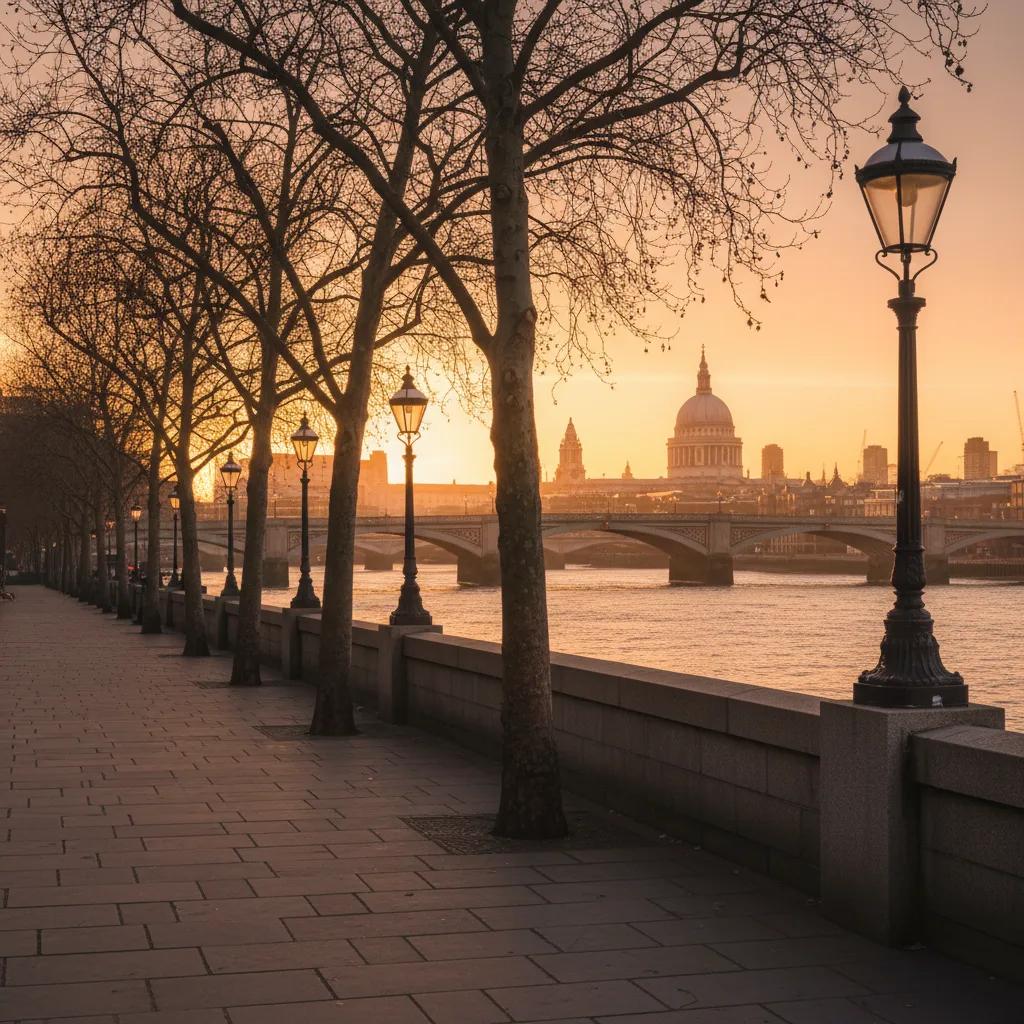 South Bank Sunset Viewing Planner: Thames Riverside Walks
 Parliament Hill Sunset Viewing Planner: London Heath Vistas