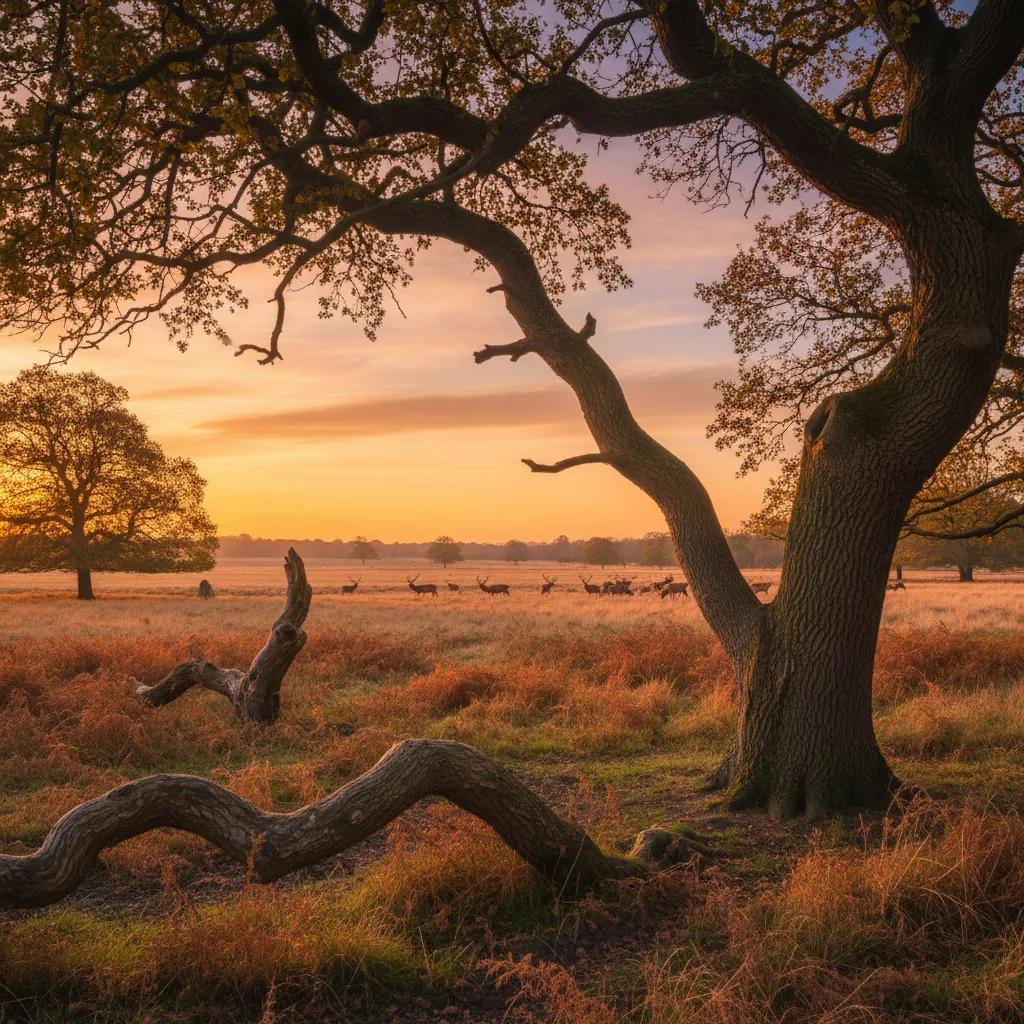
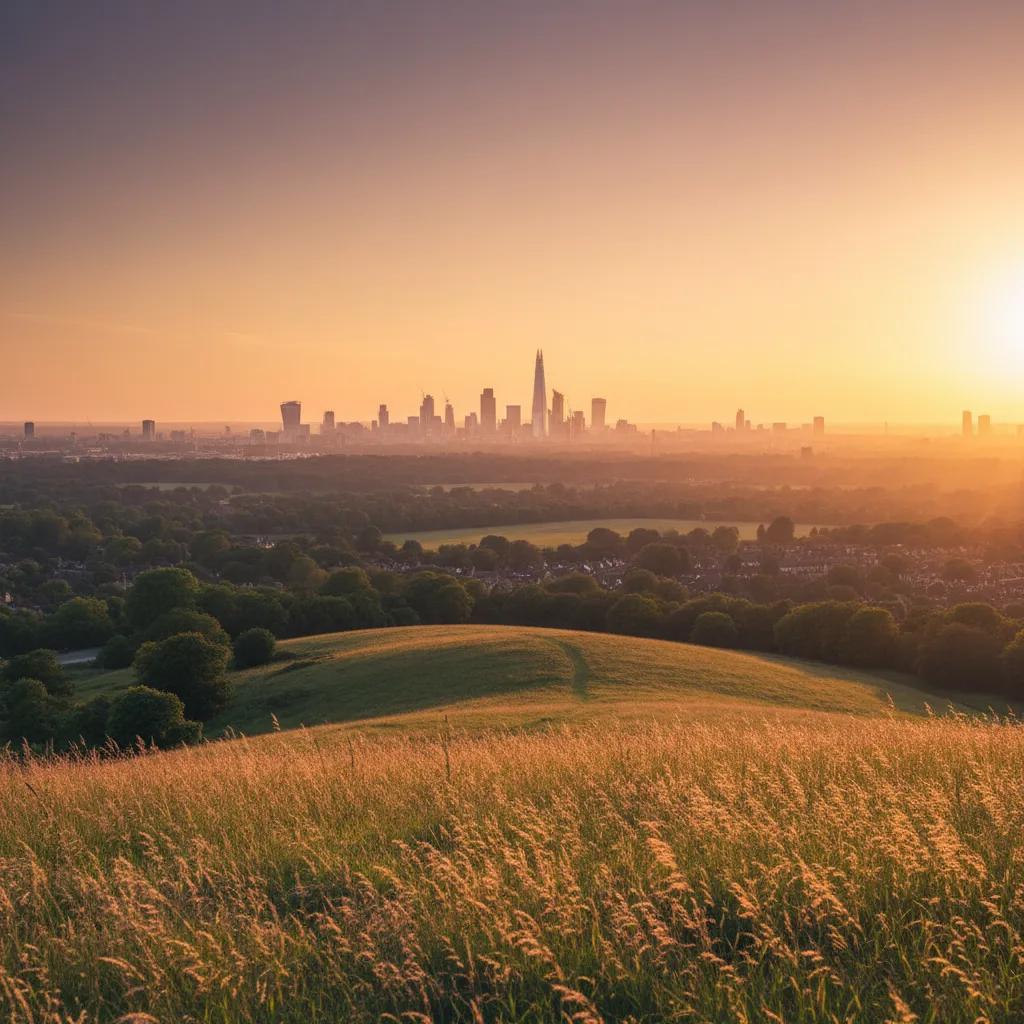
 Richmond Park Sunset Viewing Planner: Deer Meadow Horizons
Weekend Plans
London Hidden Courtyard Garden: Garden Museum Leaf Contrasts
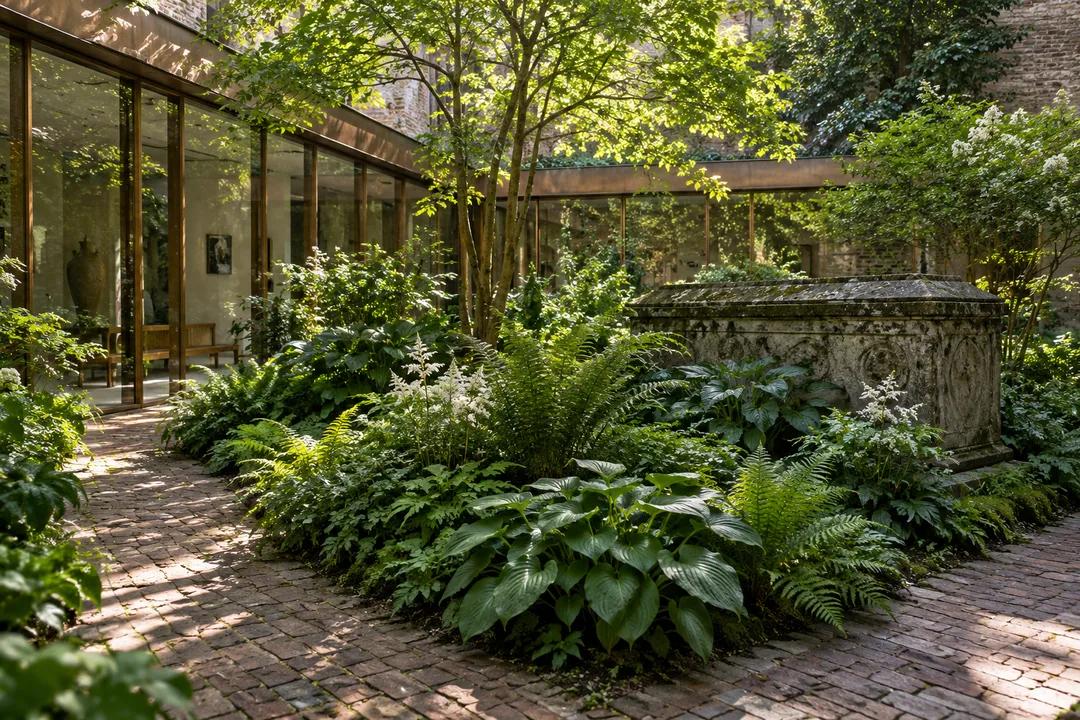
The Garden Museum's courtyard pairs contrasting foliage with a glazed enclosure. Explore a London garden through leaf shapes and the story of collecting.
The Garden Museum's central courtyard is built around contrasting foliage. Broad leaves, finer textures and the relationship between planting and the glazed enclosure make this a London hidden courtyard garden for close looking. Dan Pearson's design responds to the plant-collecting journeys of the Tradescants, but you do not need to arrive knowing their story. Start with what the plants do beside one another. The garden becomes more interesting when you look at relationships rather than treating every specimen as a separate attraction.
Find a leaf that interrupts the view
Choose a leaf shape that seems different from those immediately around it. Look at its outline first, then at the way other plants overlap it. A broad surface may make fine stems easier to notice. A cluster of smaller leaves can give a larger leaf a sense of scale. This is a useful way into the courtyard if you enjoy gardens but cannot identify many plants. You can read a planting composition before learning its vocabulary.
The museum describes the courtyard as a botanical cabinet of curiosities. Take the idea as a prompt for attention, rather than a demand to hunt down rarities. A cabinet invites comparison: one thing looks stranger or more delicate beside another. In a garden, that comparison keeps changing as growth and light alter the view. You can choose a small group of plants and stay with it, instead of trying to catalogue the entire courtyard.
A sketchbook can help you understand that arrangement without making an accurate botanical drawing. Draw the largest shape first and leave enough space around it for the smaller shapes. Resist filling the whole page with leaf veins. The useful question is how the plants share the space. Even a rough drawing can reveal where one form gives way to another, and that is often more instructive than a photograph made before you have decided what caught your eye.
Read the glazed boundary as part of the planting
Dan Pearson Studio describes the courtyard's glazed cloister and the brick path framing its central planting. Those are not merely practical details around a garden that happens to sit in the middle. They help organise the view. Glass sets up a different relationship between inside and outside from a solid wall, while a path gives the planting an edge. Notice how those boundaries make a dense group of leaves legible as a composed space.
Look across the planting from more than one ordinary visitor position. A plant that dominates the first view may recede behind another form when you move. The garden can feel quite different without any need for a large change of distance. Keep your movement on the visitor route. A close view does not require stepping into a bed, and a photograph from among the leaves would tell you less about the designed relationship between planting and path.
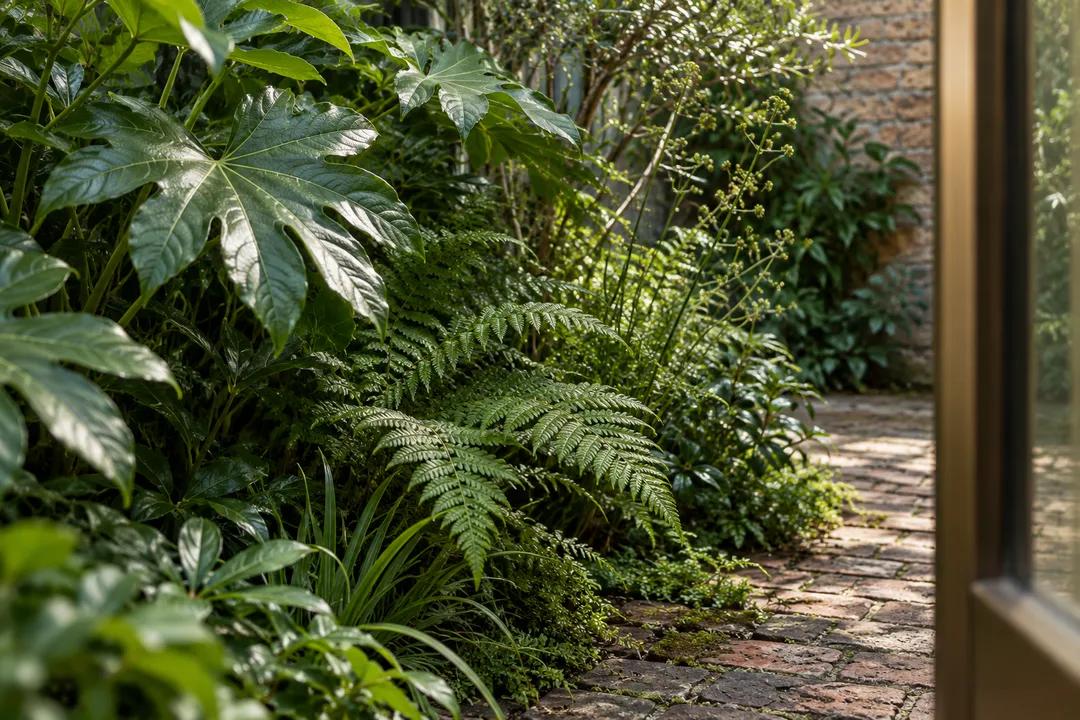
If you are taking pictures, give the boundary a role in one frame. An image containing only foliage may resemble a much larger garden. Including an edge of paving or glazing explains the courtyard's intimacy. For a second image, move in visually and make the contrast between leaf shapes the subject. The two views then perform different jobs: one establishes how the garden is held, while the other shows what happens inside that enclosure.
A garden about collecting can also raise questions
The museum connects its courtyard to the Tradescants and to later plant collectors. You can use that connection to think about how plants arrive in gardens and how their stories are presented. Avoid inventing an adventurous journey for an unfamiliar specimen. A suggestive leaf shape is not evidence of where a particular plant came from. Let the museum's interpretation guide any historical detail you want to carry away, and distinguish what it states from the questions it inspires.
One question worth keeping open is whether you are responding to rarity or simply to an unfamiliar appearance. Something can be visually compelling without being rare. That distinction makes a visit more generous to ordinary plants as well as unusual ones. You do not have to rank the collection by importance to enjoy it. Looking carefully at a repeated texture or a familiar leaf beside an unexpected neighbour can be as rewarding as finding a plant with an extraordinary story.
The courtyard also contains tombs identified by the museum with the Tradescants and Captain Bligh. Let that human presence complicate the garden rather than becoming another item to tick off. Planting, remembrance and museum interpretation occupy the same setting. Keep a respectful distance from memorial features and leave their surfaces alone. The garden's interest lies partly in how different kinds of history share a small space, not in turning every object into a prop for a photograph.
Make room for a different kind of garden companion
A person who grows plants at home may naturally look for ideas they could borrow. Somebody interested in museums may focus on interpretation or the enclosing architecture. Compare those responses rather than assuming you should experience the courtyard in the same way. Ask what each of you would choose as the subject of one picture. A difference in answers gives the visit a conversation, while leaving both people free to spend some time looking independently.
Be cautious about taking planting inspiration too literally. A sheltered courtyard and a home garden may offer very different conditions. You can borrow an idea about contrasting shapes without assuming that the same plants will thrive together in your own space. Describe the effect you like first. That gives you a useful question for later gardening research, rather than an unsupported shopping list assembled from a brief look at a museum display.
Distinguish the courtyard from the museum's other gardens
The museum describes several planted spaces, including its front garden and a community garden. They are related parts of the institution, but they are not interchangeable. This visit centres on the enclosed courtyard and its foliage composition. If you decide to explore another garden area, treat that as a change of subject. Notice whether the planting, boundary or social use shifts, rather than searching for more examples of exactly the same experience.
For a compact outing, the courtyard can provide a complete focus. You do not need to add every museum activity to justify the visit. A plant enthusiast might want to read more interpretation, while a friend may be content with the garden and a conversation afterwards. Choose that continuation together. Keep a separate dining plan separate from the garden visit, rather than assuming that appreciation of the planting requires a particular café experience.
Practical Notes for looking without collecting
Carry a notebook if drawing or recording a question helps you pay attention, but keep equipment and bags out of the route. Leave leaves, seeds and flowers where they are. A garden concerned with plant collecting is not an invitation for a visitor to make a collection of their own. For arrangements involving access or the wider museum visit, use the institution's visitor information. The generated scene illustrations here convey planting and enclosure, not a current botanical inventory.
Karpo APP can help you explore ideas for continuing around Lambeth, whether you want another cultural stop or simply a walk after the courtyard. Describe which part interested you most: the leaf contrasts, the glazed boundary or the history of collecting. That makes the next decision more precise. You can leave with one carefully observed plant relationship and a question still unanswered. That is enough for a garden whose richest details reward attention at a small scale.
Ask Karpo for more information.
Keep reading
- Richmond Park Sunset Viewing Planner: Deer Meadow Horizons
 South Bank Sunset Viewing Planner: Thames Riverside Walks
 Parliament Hill Sunset Viewing Planner: London Heath Vistas