 Shoreditch Comic Shop Crawl Planner: Murals to Manga
Hidden Gems & Odd Finds
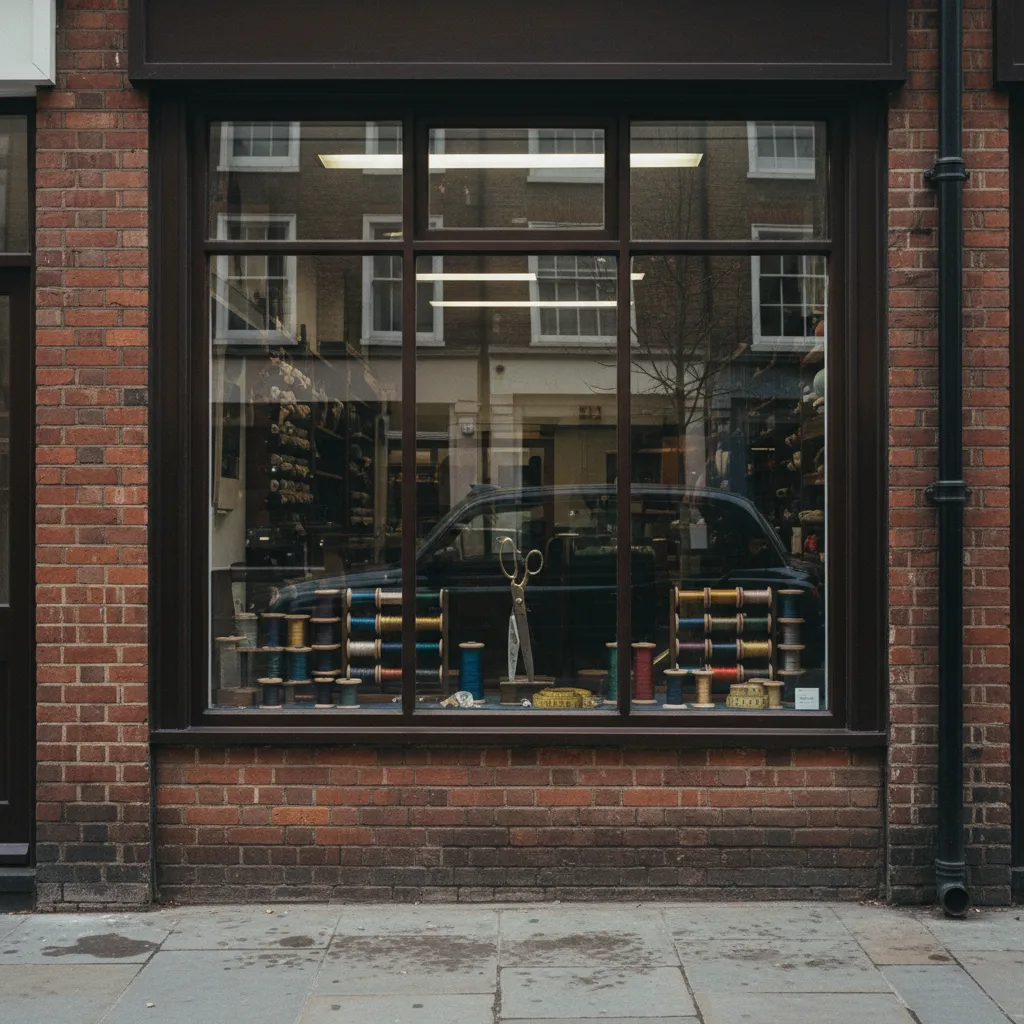
Soho Haberdashery Project Shop Picker: Map Tailoring Walk
Explore historic Soho lanes for silk linings and tailoring notions. Compare specialist trim counters and plan your walking route on Karpo APP.
Wandering through the vibrant pedestrian alleys of Soho on an overcast London morning reveals a timeless haven for theatrical costumiers, bespoke tailors, and meticulous needlecrafters. For generations, these narrow thoroughfares between Oxford Street and Shaftesbury Avenue have served as the creative engine of West End stagecraft and Savile Row finishing work. Stepping into this compact creative district with a dedicated sewing or tailoring brief requires deliberate route planning because specialty emporiums specialize in distinctly different facets of the garment-making craft. When you are looking to assemble a cohesive set of bespoke suit components, stage doublets, or couture eveningwear, sorting through the sheer variety of silk linings, canvas haircloths, and mother-of-pearl fasteners across different storefronts turns into an inspiring neighborhood expedition.
Navigating Theatrical Linings and Interfacing Choices
A successful tailoring commission depends fundamentally on structural materials that remain invisible from the exterior yet dictate the drape, posture, and longevity of the garment. Within Soho textile parlours, wooden shelving stretches toward decorative plaster ceilings, packed with bolts of unbleached Irish linen canvas, pre-shrunk horsehair chest pieces, and whisper-light cotton batiste pocketing. Experienced makers know that pairing the correct weight of fusible woven tape or wool domette with a structured lapel requires touching the cloth under natural daylight, testing its roll between fingers, and assessing whether a jacket chest will hold its sculptural silhouette through long seasons of movement and energetic stage activity.
Equally vital to any refined suiting or theatrical costume project is selecting an exceptional lining fabric that glides effortlessly over shirts while adding an unexpected flash of personal character and craftsmanship. Local purveyors along Berwick Street and Broadwick Street stock kaleidoscopic ranges of pure silk twill, iridescent cupro jacquards, and breathable viscose bembergs adorned with discreet regimental stripes or miniature botanical motifs. Visiting these counters with pattern envelopes and fabric swatches in hand allows costumiers to contrast sheen levels against heavy worsted wools, ensuring that sleeve insertions move smoothly and internal jacket construction remains cool and breathable under warm theatrical stage lighting.
Curating Specialist Fasteners and Edge Trimmings
Beyond core fabrics, the true artistry of fine haberdashery reveals itself in the intricate world of closures, edge bindings, and decorative embellishments. Glass-topped cabinets and polished apothecary drawers scattered across Soho notion merchants contain thousands of hand-carved horn buttons, corozo disks, braided frogs, and enameled military blazers buttons. Costume artisans frequently arrive seeking historically accurate corded piping, tubular silk soutache, or antique metallic bullion fringe to embellish theatrical collars and cuffs. Sifting through vintage carded ribbons and textured velvet tapes enables sewists to match exact period aesthetics while confirming structural durability for active performance wear.
Finding the ideal needle gauge and thread composition constitutes another essential priority for makers tackling complex sewing undertakings and multi-layered garments. Tailoring experts meticulously differentiate between waxed linen buttonhole gimp, spun polyester topstitching filaments, and pure silk embroidery spools intended for hand-sewn Milanese buttonholes. The tactile experience of unwinding sample strands, examining luster under counter lamps, and consulting seasoned notion specialists ensures that every hand-stitched bar tack and decorative pick stitch maintains firm tension and impeccable visual balance across curved garment seams and tailored collars.

Designing a Focused Sewing Walk Through Historic Laneways
Mapping your haberdashery journey through Soho involves balancing intense focused browsing inside traditional shops with relaxed walking segments through tranquil nearby garden squares and cobbled courtyards. A productive excursion often begins amid the bustling morning market stalls of Berwick Street, where rolls of patterned wool and cotton canvas spill onto pavements, before meandering southward into intimate brick alleys toward Golden Square. Along this pedestrian route, small haberdashers specialize in dressmaking zippers, covered belt buckles, and tailor chalk blocks, giving designers ample opportunity to compare trim textures and test tactile pairings against master sketches.
Taking time to step into quiet side courtyards and open Georgian greens between shopping stops allows makers to clear their visual palette and inspect swatches away from cluttered store counters and artificial display lamps. Placing folded lining silks against textured wool tweed samples beneath natural daylight on a shaded park bench quickly reveals whether color undertones clash or harmonize. Furthermore, this deliberate walking pace prevents sensory fatigue, ensuring that sewists evaluate delicate trims with sharp focus before purchasing exact meterage for delicate garment hems, bound buttonholes, and structured cuff facings.
Precision Cutting Tools and Workshop Essentials
Every serious sewing project demands dependable cutting instruments and durable marking implements that guarantee clean pattern drafting and accurate grainline alignment across complex garment layouts. Traditional notion merchants in the district display heavy hot-forged carbon steel shears, spring-action thread snips, and serrated pattern tracing wheels that glide cleanly across heavyweight muslin without distorting woven fibers. Selecting the right shear length and handle offset proves crucial for preventing hand strain during extended cutting sessions, allowing makers to slice through multilayered denim or delicate silk georgette with equal precision and ease.
Equally important for tailoring success are specialized pressing aids and pattern weights that anchor delicate textiles during chalking, measuring, and pinning. Studio dressmakers seek out dense hardwood tailor hams, wooden clappers that trap steam to create razor-sharp trouser creases, and flexible glass-headed pins that glide through woven fabric without leaving permanent holes. Stocking up on these timeless studio staples ensures that every finished garment exhibits crisp structural lines, polished seam junctions, and lasting professional quality that withstands years of regular wear and formal use.
Organizing Project Shopping Routes With Karpo APP
Coordinating a multi-stop haberdashery search across busy Central London can become overwhelming without a clear digital organizational strategy and reliable neighborhood navigation. Utilizing Karpo APP enables sewists and designers to filter nearby notion parlours, bookmark specialized button counters, and chart efficient walking routes through the pedestrian network of Soho without unnecessary backtracking. By visualizing neighborhood retail clusters on an interactive mobile interface, you can effortlessly identify which shops carry dressmaking trims versus upholstery bindings, verify location markers, and sequence your shopping walk around quiet studio hours.
Before embarking on your West End needlecraft outing, prepare swatch cards with fabric scraps, thread fragments, and yardage notes in your notebook. Use the Karpo APP to explore nearby places and gather ideas for a personal Soho browsing day. Compare any unfamiliar material with the samples you brought, and consider how its weight, texture, and color would work in the finished garment. Keep your own notes about options you may want to revisit, and leave room to change your plans. An enjoyable outing can produce useful inspiration even when you decide to keep looking before buying.
Ask Karpo for more information.
Keep reading
- Shoreditch Comic Shop Crawl Planner: Murals to Manga
 Bermondsey Comic Shop Crawl Planner: Zines Under the Arches
 Clapham Comic Shop Crawl Planner: Charity Shelves and Common