 Shoreditch Comic Shop Crawl Planner: Murals to Manga
Hidden Gems & Odd Finds

Islington Haberdashery Project Shop Picker: Craft Lane Walk
Source linen bookbinding threads and antique ribbons along Islington passages. Shortlist specialist notion parlours and map stops on Karpo APP.
Stepping into the picturesque paved lanes and tree-lined avenues of Islington introduces crafters to a delightfully refined side of London textile, paper, and needlecraft artistry. Renowned for its rich concentration of antiquarian bookbinders, conservation studios, and bespoke needlecraft workshops, this historic North London enclave offers an inspiring setting for sourcing specialty sewing supplies. Whether you are undertaking an archival book restoration, embroidering a delicate linen sampler, or embellishing bespoke soft furnishings, hand-stitched quilts, and tailored cushions, Islington presents an extraordinary array of tactile materials. Navigating these leafy passages with a well-defined project brief enables makers to unearth unique linen threads, hand-dyed silk ribbons, and heritage brass hardware that are seldom found in conventional high-street craft stores.
Sourcing Archival Linen Threads and Bookbinding Twines
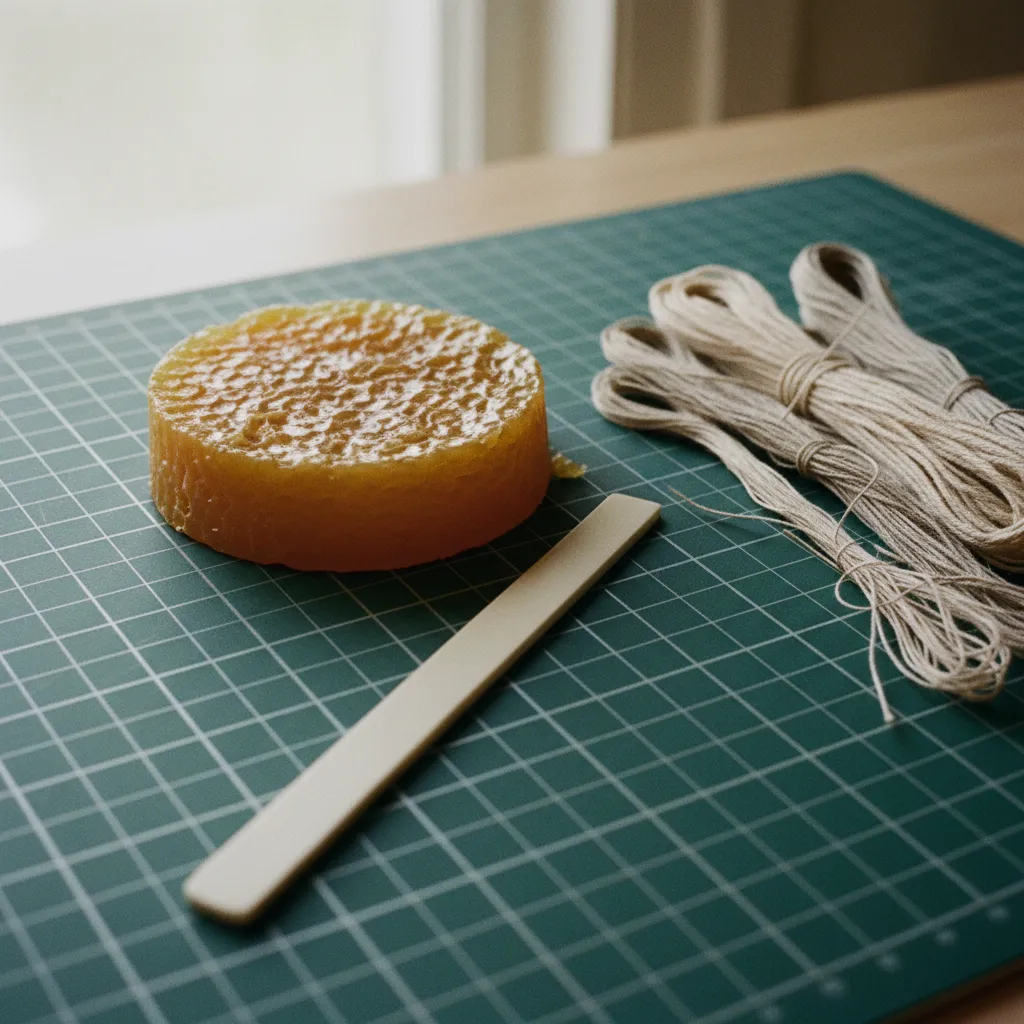
For book arts practitioners and paper conservation specialists, the selection of sewing thread determines both the mechanical flexibility and the structural permanence of hand-bound volumes and keepsake albums. Tucked into quiet corners near Camden Passage and Upper Street, discreet independent notion specialists showcase reels of unbleached French flax thread, Irish wet-spun linen cords, and pure beeswax blocks used for conditioning fibers. Hand-sewing book signatures through paper folds demands thread that resists fraying under constant needle friction while remaining supple enough to lie flat within the spine swells of leather-bound journals, presentation albums, and bespoke archival portfolios designed to withstand handling across centuries.
Matching thread thickness to paper weight constitutes an essential skill that crafters refine while inspecting physical spools under natural counter illumination and testing tensile strength by hand. Local shopkeepers often maintain specimen binders displaying various thread counts alongside contrasting woven mull tapes and unbleached cotton bookbinder tapes. Running fibers through conditioned wax and feeling their smooth glide gives makers complete confidence that their chosen binding materials will maintain uniform tension across complex Coptic stitches, French links, or traditional leather strap attachments or raised cord bands without tearing fragile endpapers.
Uncovering Vintage Ribbons and Decorative Edge Finishes
Beyond utilitarian bookbinding cords, Islington boasts an exceptional legacy of antique textiles, vintage trims, and decorative haberdashery gathered from private collections and European estates and historic printworks. Antique stalls and boutique craft cabinets nestled along pedestrian arcades house remarkable collections of vintage grosgrain ribbons, woven cotton twill tapes, and iridescent jacquard borders preserved on vintage wooden reels. Textile conservators and heirloom doll makers frequently browse these compartments to locate faded pastel satin bindings and intricate bobbin laces that authentically complement period theatrical garments, historical restoration work, and delicate antique millinery commissions.
The subtle interplay between ribbon textures and fabric surfaces adds extraordinary depth to bespoke sewing commissions, bridal headpieces, custom bookmarks, and tailored garment accents. Selecting a double-faced satin ribbon or a crinkled silk habotai tie involves examining edge weaves to ensure that decorative borders will not unravel under regular handling and folding. The tactile pleasure of unfurling meters of rare vintage trim and discovering unusual woven color combinations sparks fresh inspiration, elevating simple needlework projects into timeless handcrafted heirlooms that reward careful examination.
Strolling Along Paved Arcades and Quiet Waterways
One of the greatest delights of hunting for haberdashery in Islington is the serene pedestrian environment that connects historic shopping passages with scenic waterside paths, historic Georgian squares, and pocket gardens. Crafters often plan their shopping walk to begin among the charming brick facades of Camden Passage before heading southward through shaded churchyard gardens toward the peaceful towpath of Regent's Canal. This tranquil route provides a restorative rhythm, allowing makers to transition seamlessly between bustling notion counters and open-air walking trails while reviewing project requirements in their studio notebooks while enjoying the cool air and historic brick architecture along the route.
Pausing by the lock gates or relaxing on a stone bench beneath weeping willows gives sewists a welcome opportunity to inspect newly acquired trims under open skies and natural daylight. Natural illumination provides the truest rendering of subtle thread dyes and antique ribbon pigments, confirming that warm undertones complement embroidery linens or leather book covers. This contemplative walking experience fosters creative focus, helping crafters envision final construction sequences, stitch spacing, and structural reinforces before returning to their studio workbenches.
Bone Folders and Heritage Needlework Implements
Precision handcrafting relies heavily on traditional hand tools that feel balanced, comfortable, and responsive during repetitive studio tasks and intricate finishing stages. Specialty suppliers throughout Islington offer hand-carved ox-bone folders, polished Teflon creasers, and hardened steel awls that pierce paper signatures and heavy canvas with clean accuracy. Selecting a bone folder with gently rounded bevels prevents glossy burnishing marks across textured watercolor papers, ensuring that folded folio gatherings maintain crisp professional edges without surface damage, unwanted creasing, or tearing across fragile deckled edges.
In addition to papercraft tools, needlework artisans can discover hand-turned wooden embroidery hoops, Japanese sashiko needles, and brass thimbles sculpted to fit fingers snugly during long stitching sessions. Investing in premium needlework tools enhances both stitching accuracy and tactile enjoyment, transforming long hours of hand sewing into a calm, meditative craft practice. Collecting durable implements from knowledgeable independent merchants guarantees that your studio toolkit remains functional, durable, and reliable across decades of creative projects, custom binding editions, and delicate heirloom textile restorations across the coming years.
Planning Your Islington Craft Route With Karpo APP
Use the Karpo APP to explore nearby places and gather ideas for an Islington craft outing, then choose your own sequence of browsing stops and canal-side pauses. Make a short list of the thread weights, fastening sizes, or fabric qualities your project needs before setting out. While browsing, compare those needs with the materials you can actually handle and ask questions where appropriate. A notebook and a few reference swatches can help you remember interesting options. Keep your personal itinerary flexible, with time to revisit an idea rather than rushing to complete every stop.
Before heading out, prepare your project checklist with precise measurements, thread weight requirements, and color references to streamline your purchasing decisions and keep your focus sharp. Using Karpo APP to coordinate your route allows you to enjoy an organized, pressure-free shopping walk through one of London most delightful creative districts. Immerse yourself in the warm craftsmanship of Islington specialty notion shops, appreciate the timeless quality of heritage supplies, and return inspired with exquisite materials tailored for your next bespoke needlecraft undertaking, archival bookbinding project, or historic restoration.
Ask Karpo for more information.
Keep reading
- Shoreditch Comic Shop Crawl Planner: Murals to Manga
 Bermondsey Comic Shop Crawl Planner: Zines Under the Arches
 Clapham Comic Shop Crawl Planner: Charity Shelves and Common