 Brixton Vintage Thrift Shop Finder: South London Retro Gems
Hidden Gems & Odd Finds
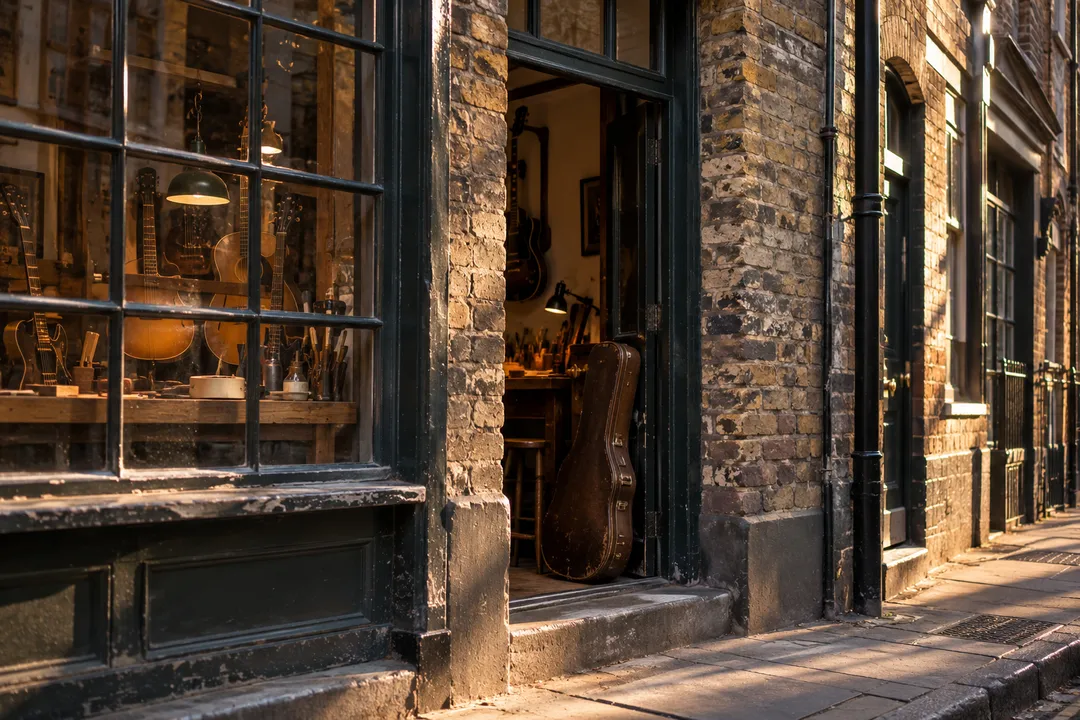
Vintage Guitar Repair Shop: Denmark Street Restoration Bench
The Vintage Instrument Workshop on Denmark Street combines repair and restoration with weekday 11am starts and Saturday access for careful vintage handoffs.
The Vintage Instrument Workshop at 6 Denmark Street, London WC2H 8LX, is a useful stop when the question is not simply “can this guitar play?” but “what should remain?” The official site describes guitar repair and restoration and says it has offered the work for almost a decade. Before travelling, list the original parts, finish marks, old labels, and modifications that matter to you. That list gives the workshop a preservation brief instead of a vague request for a makeover.
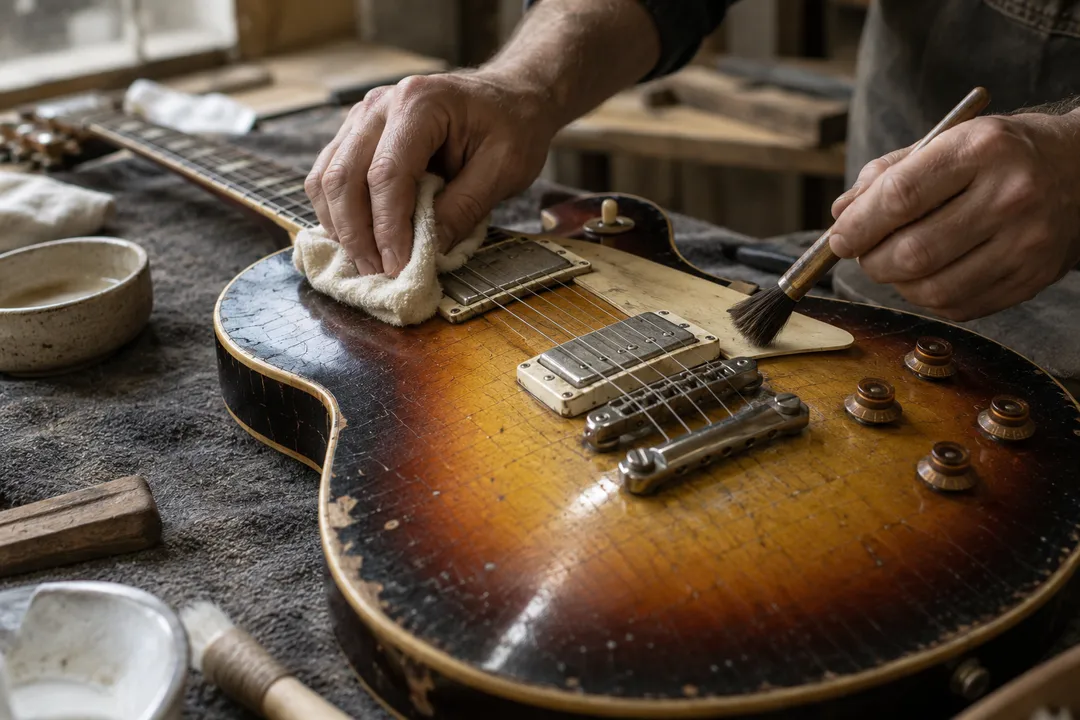
The Opening Pattern Supports a Careful Drop-Off
The official hours are Monday–Friday 11am–6pm, Saturday 10am–6pm, and Sunday closed. Saturday’s earlier opening is useful for a slow handoff: arrive with the case, photographs, and a written description before the street becomes crowded. A weekday drop-off works too, but the 6pm close leaves less room for a long conversation after work. There is no reason to plan a Sunday visit; the published schedule clearly marks it closed. Documentation is part of a restoration visit. Photograph the instrument under even light, keep a note of the serial and visible repairs, and record the action or tuning that feels right before the case closes. If an original guard, bridge, or tuner is removed, ask for the part back in a labelled bag. This is not about turning a guitar into a museum object; it is about keeping future choices open. A reversible repair may be preferable when a finish carries honest wear, while a player who tours may value reinforcement over perfect historical appearance. Say which priority matters most. The workshop’s custodianship language gives you room to make that choice in a deliberate way. After collection, compare the same angles and play the same short passage you used before drop-off. A clear before-and-after record makes the next service conversation faster and keeps the instrument’s story attached to the instrument.
Repair Versus Restoration in Plain English
Repair is about returning function. Restoration is about deciding how to return function while respecting age, materials, and previous choices. Ask whether a finish touch-up will blend with the existing surface, whether a replacement part can be kept reversible, and how the work will be documented. Those questions are especially useful for a guitar whose scratches, faded lacquer, or changed hardware are part of why you bought it. That small record is valuable when an older finish or replacement part needs explanation months later. The note can travel with the case, so the next person handling the instrument sees the same priorities you set at intake.
Bring a Condition Record
Use your phone to make photographs at home, then keep the device away from the bench while the instrument is being handled. Capture the body front and back, neck, headstock, bridge, controls, and every visible crack. Record the current strings and tuning, and write down any noises that appear only when plugged in. A condition record protects the discussion and makes it easier to see whether the finished guitar has returned to the intended playing state. A dated photograph also gives you a neutral reference when discussing finish, patina, and original hardware at collection.
What the Specialist Conversation Sounds Like
A useful first sentence is specific: “The open G buzzes at the seventh fret after the guitar sat unused for six months,” or “The bridge has lifted on the treble side.” That is more actionable than “it feels wrong.” Mention whether the guitar is a daily player, a studio instrument, or an heirloom. The workshop can then weigh durability, originality, and playability instead of assuming every instrument wants the same modern setup.
A Denmark Street Location With a Useful Buffer
The workshop’s location gives you options before and after the handoff. Walk along Denmark Street, cross Charing Cross Road into Soho, or loop toward Seven Dials while you wait for a reply. Keep the route close enough to return quickly. A restoration conversation may raise a question about a part or finish that cannot be answered from the first inspection, and a nearby walk is better than disappearing across London with the case still in your plans.
Protect the Queue and the Finish
Specialist benches run best when each visit starts with one clear problem statement. Keep the case closed until invited, avoid leaning hardware on the counter, and ask before touching an instrument on display. If you need to compare two guitars, explain what you are comparing. These small rules help the technician focus on the repair and protect finishes that may already be delicate from age, heat, or earlier work.
When I Would Choose Restoration Work
I would choose this workshop for a guitar where original parts, old finish, or evidence of previous repairs is central to the decision. The official site’s emphasis on custodianship and restoration fits that brief. I would choose a general retail service counter for a purely routine string change; the point of this visit is the deeper judgement about what to change, what to preserve, and how the repair will look after years of play.
A Practical Plan for Collection
Before leaving the instrument, agree how collection will work and what the final test should include. Bring the same cable, strap, or tuner you normally use if the repair involves electronics or playability. Test the repaired area gently and compare the instrument with the condition record. If something feels different, describe the exact fret, control, or note rather than using a broad “not right.” Precise feedback creates a better final adjustment.
Before You Leave the Bench
Before leaving the restoration bench, record which original parts stay with the guitar and which finish decisions were approved. A concise collection note keeps the instrument’s history attached to the repair.
Practical Notes
Address: The Vintage Instrument Workshop, 6 Denmark Street, London WC2H 8LX. Hours: Monday–Friday 11am–6pm, Saturday 10am–6pm, Sunday closed. The official site covers guitar repairs, restoration, contact, and the shop location. Bring photographs and a written preservation brief, then leave enough time for a careful collection test.
Ask Karpo for more information.
Keep reading
- Brixton Vintage Thrift Shop Finder: South London Retro Gems
 Notting Hill Vintage Thrift Shop Finder: Preloved Rails
 Soho Vintage Thrift Shop Finder: West End Designer Archives