 Brixton Christmas Light Up Walk Planner: Rainy Arcades
Free Things to Do
Trafalgar Free Admission Day Tracker: Gallery Without Rush
Use a Trafalgar free admission day tracker to pace the National Gallery, choose a painting trail, and leave room for an unrushed square-side walk.
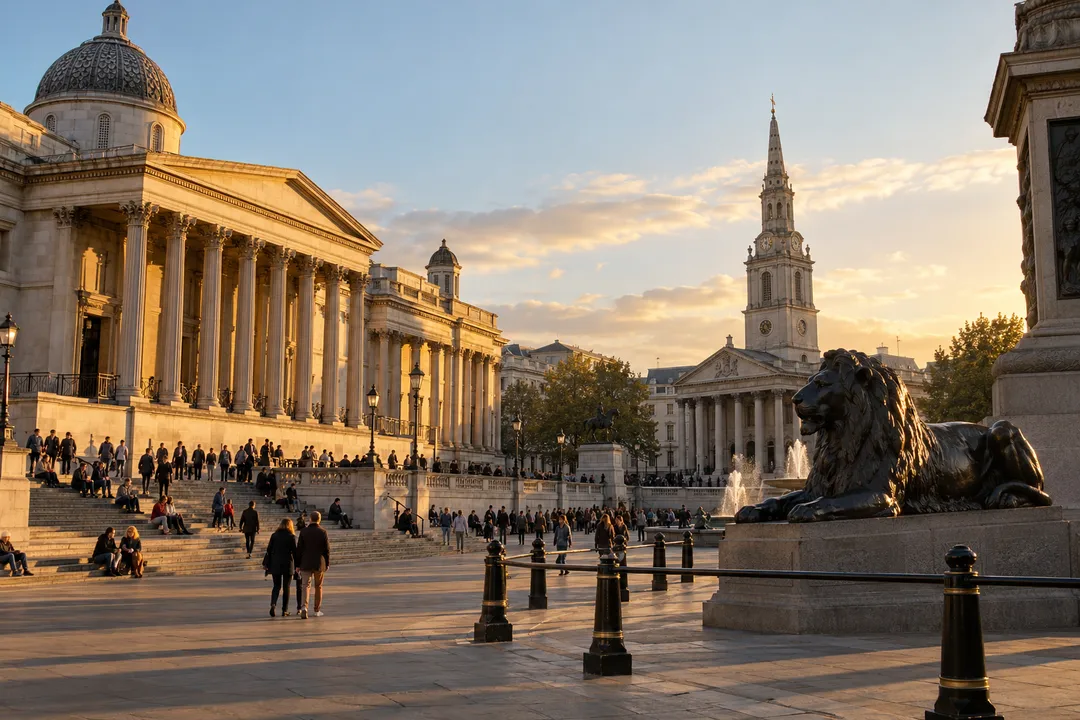
Trafalgar Square can make a free gallery visit feel larger than it needs to be. The National Gallery is the anchor, but the square’s open air, steps, and constant movement can pull your attention in every direction. A free admission day tracker gives the outing a quiet spine: choose one painting trail, decide how long you want to look, and reserve a short walk for the moment when the gallery’s rooms start to blend together.
Pick One Painting Trail
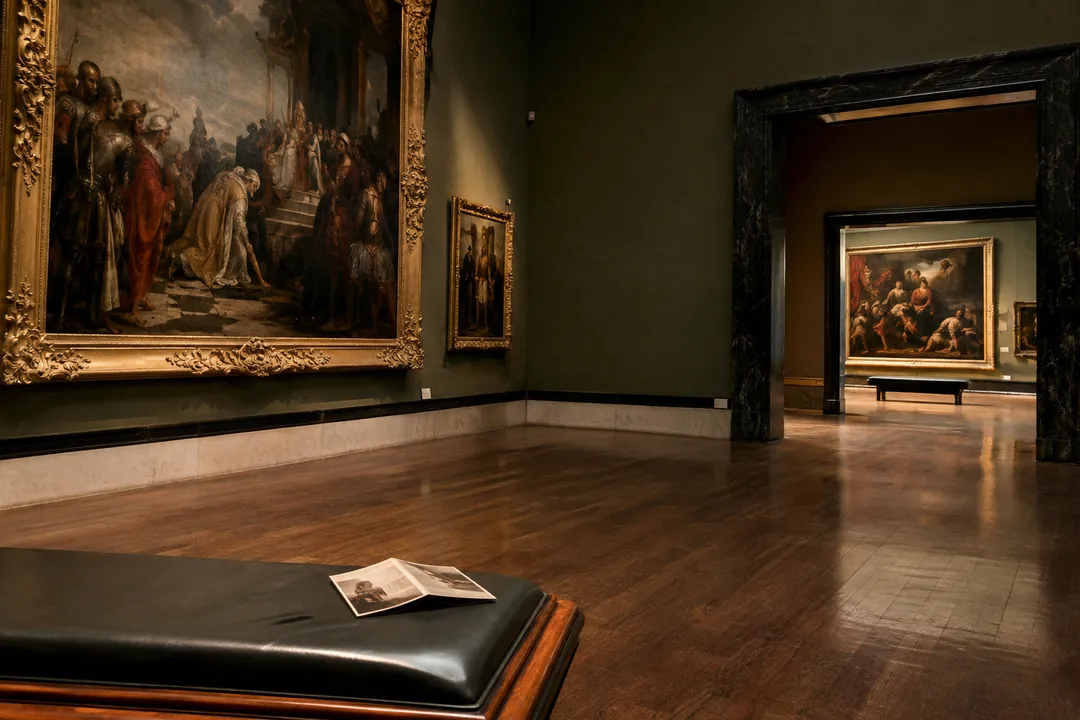
Start by naming the visual idea that will guide you. Light across interiors, portraits of power, changing landscapes, or the emotional work of colour are all strong enough to connect rooms without forcing a scholarly route. Put that idea in Karpo APP beside the National Gallery stop. It turns the museum from a sequence of famous names into a question you can answer through your own eyes.
A focused trail is kinder to attention than a list of masterpieces. Select a few works that can hold the day, then allow the route between them to remain open. You may discover a smaller painting that changes your plan, and that is exactly the kind of choice a tracker should permit. Save the original sequence as a suggestion, not a rule, so curiosity can still redirect the afternoon.
Use the first gallery as a calibration room. Notice how quickly you read an image, whether you prefer crowded historical scenes or spare compositions, and how much quiet you need between stops. Record one sentence about that rhythm. Later, when you choose another free museum day, the note will be more useful than a generic claim that you enjoy art.
Trafalgar Square is the natural interval because it changes the body’s sense of space. Step outside, look across the fountains and column, and let the horizon replace the gallery wall. You do not need a long pause; even a measured loop around the edge can reset your eyes. Build that loop into the tracker so it appears as part of the experience rather than an afterthought.
Use Trafalgar Square as a Breathing Room
If the square feels too exposed, shift toward the quieter edges that lead toward Whitehall or the lanes around Charing Cross. The route can stay short and still offer texture: stone façades, traffic sounds, glimpses of theatres, and the changing pace of commuters. Note the mood you want—busy, reflective, or scenic—then choose the direction that matches it.
A family route works best when each person chooses a different kind of detail. One person follows animals, another follows weather, and another looks for a colour that appears in multiple rooms. This makes the National Gallery collaborative without turning it into a race. Save the three prompts in one Karpo APP note, and let everyone share a favourite before leaving the building.
For a date or solo outing, choose a stopping ritual. Sit for five minutes after the central trail, sketch a shape, or describe one sound you heard in the room. A ritual gives the visit an emotional contour and reduces the urge to fill every spare minute with another attraction. The tracker can hold the ritual beside the route, ready for a future gallery day.
Keep the free core separate from optional events, talks, or ticketed displays. That distinction matters at a major institution because the most visible promotion is not always the part you planned to see. Label the free collection path first, then add extras only if they serve your visual question. This order keeps the day flexible and protects it from a single unavailable add-on.
Link the Gallery to Charing Cross
Trafalgar’s central position makes it tempting to stack too many destinations. Resist the neat-looking map that jumps from the National Gallery to several far-flung stops. Instead, decide what the walk should do: deliver a meal, offer a quieter bench, or give you a final architectural view. Save one outcome, not five. That is enough to make the route feel complete without turning it into a timed race.
Charing Cross and the Strand can supply a strong final chapter because they carry the city’s performance energy. Walk with the gallery’s visual question still in mind and notice how posters, shopfronts, and passing crowds use colour and framing. You do not need to label those observations as art history. They are simply a way of keeping your attention active after you leave the museum.
On a grey day, build more indoor softness into the route. A covered café or book-lined pause can replace a long outdoor circuit, while the square remains a quick look rather than a destination. Save both versions in Karpo APP: the open-air reset and the sheltered alternative. The planning gain is having a choice ready, not pretending the app knows which mood the weather will create.
A repeat visitor can reverse the order. Begin with a brief square walk, enter the National Gallery with fresh air still in your senses, and end with the painting that best matches the day’s light. This variation changes the emotional shape of the same free route. Keep a note of which order felt better, so your next tracker entry begins with lived experience instead of a blank template.
Practical Notes for Looking Longer
Practical notes are about comfort and concentration. Carry water, keep your bag light, and make the meeting point specific enough that friends can find it without a long message exchange. Put the route in your pocket before the first room. Then lower the phone, look closely, and let the tracker do its work quietly in the background.
Finish by writing a two-line review for yourself: one room to revisit and one decision to change. Maybe the best moment arrived before the famous paintings, or perhaps the square walk was too short. Those details become useful planning data. Over time, the free admission day tracker turns Trafalgar from a one-time cultural stop into a dependable, personal ritual.
If you are meeting someone after work, agree on the kind of conversation you want before entering: compare colours, swap one favourite object, or simply walk quietly together. That small agreement keeps the visit companionable and prevents the tracker from becoming a demand to perform expertise.
A Trafalgar route succeeds when it gives the National Gallery enough attention and the square enough air. Choose a single visual trail, use Charing Cross or the Strand as a textured extension, and leave optional extras outside the free core. With those decisions saved in Karpo APP, the day remains easy to adapt while still feeling intentionally composed.
Ask Karpo for more information.
Keep reading
- Brixton Christmas Light Up Walk Planner: Rainy Arcades
 Hackney Christmas Light Up Walk Planner: Canal Boats
 Islington Christmas Light Up Walk Planner: Square Dates