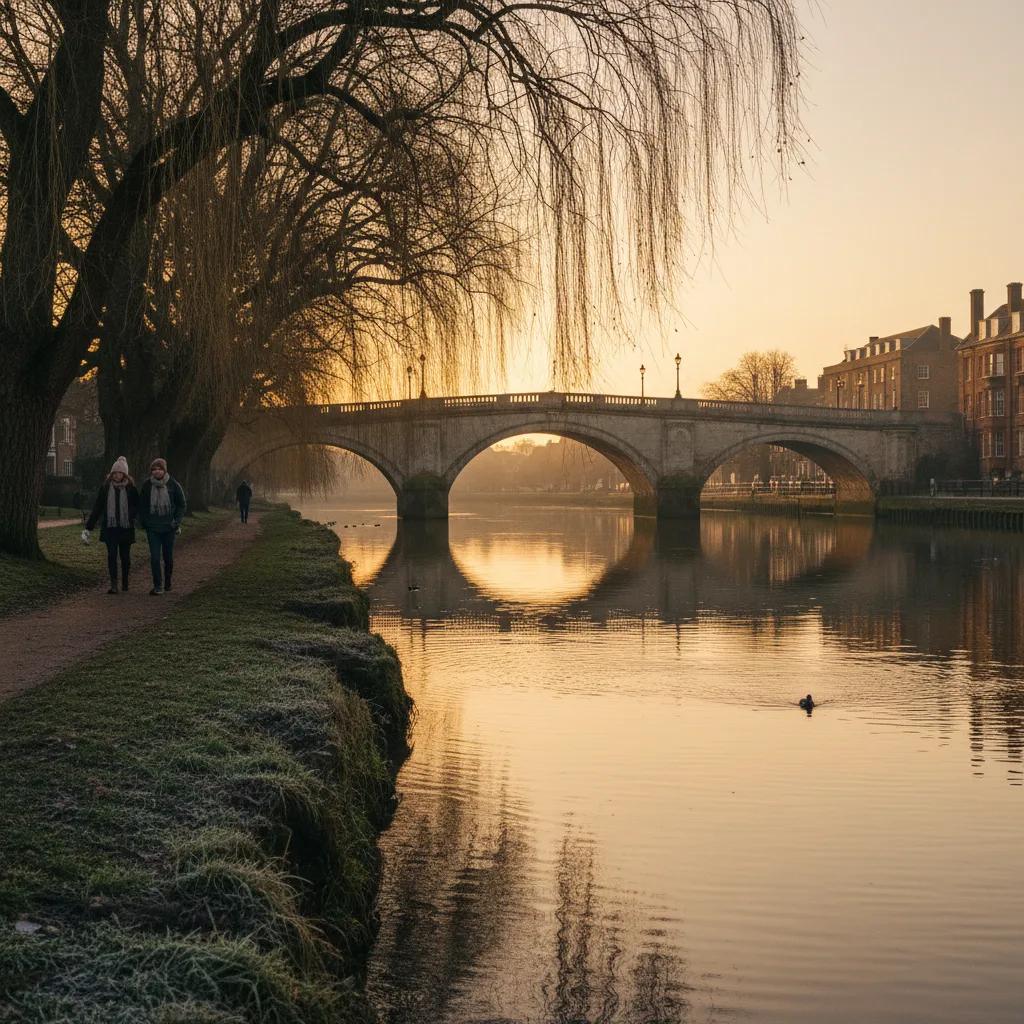
 Richmond Roasted Chestnut Winter Walk Planner: Towpath Loop
Free Things to Do
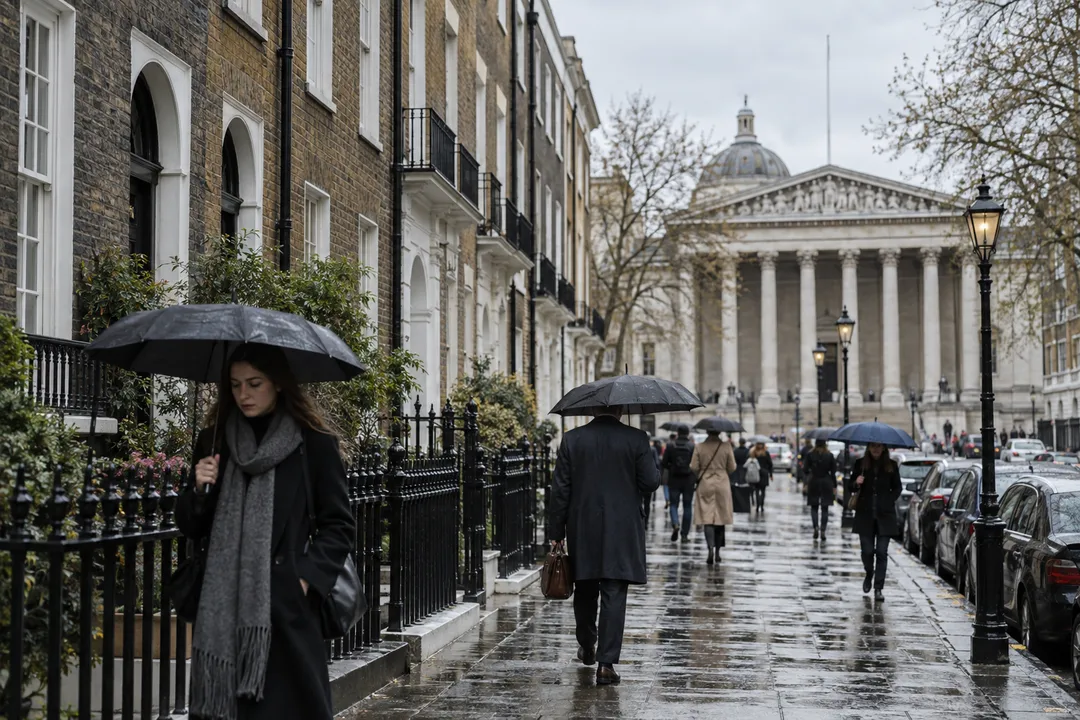
Bloomsbury Free Admission Day Tracker: British Museum
Plan a Bloomsbury free admission day tracker around the British Museum, quiet reading pauses, and a flexible square-to-gallery route that stays calm.
Bloomsbury works for a free museum day because its cultural anchors are close, but its streets still give you room to step away. The British Museum can be the fixed point, while the free admission day tracker handles the decisions around it: which collection deserves your first hour, when to take a reading pause, and whether a second gallery will add pleasure or simply more steps. Build the route around attention, not the fantasy of seeing everything.
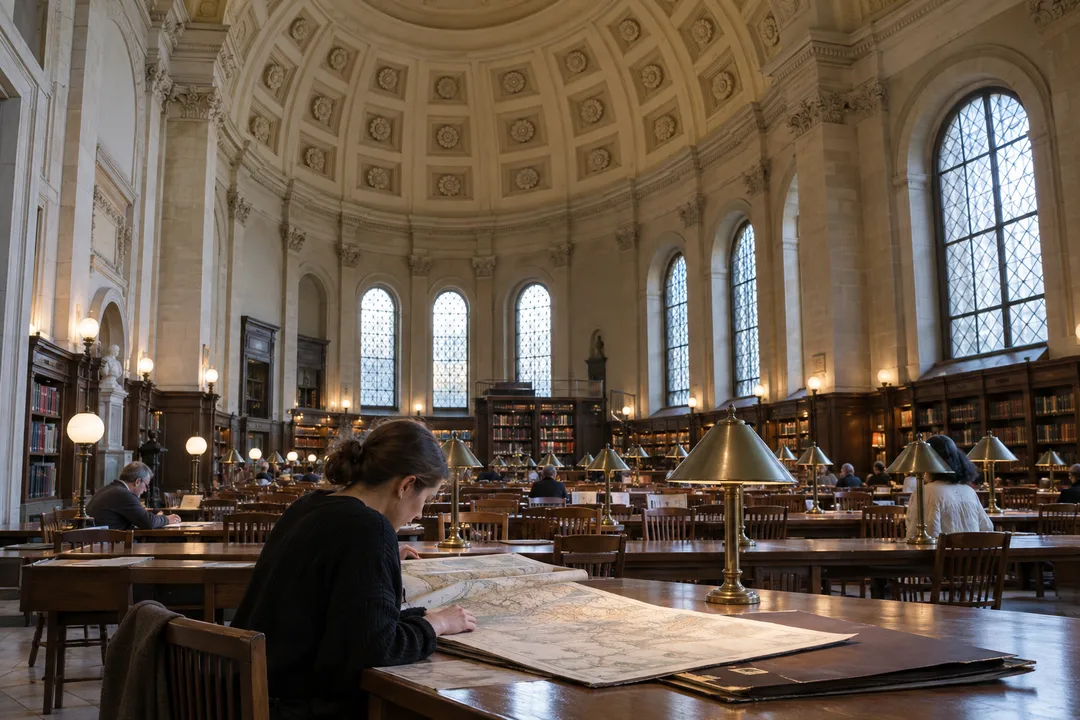
Make the Great Court Your Orientation
Use the Great Court as an orientation room rather than a photograph you take and leave. Its scale helps you understand how the museum is arranged, and the roof’s changing light gives the day a natural beginning. Save two galleries that sit in different directions, then choose one as your opening line. A simple ‘start east, finish west’ note is enough to make the building feel navigable without pretending the route will be identical for every visitor.
The British Museum rewards a theme-led visit. Follow writing systems, trade routes, sculpture, or the way domestic objects survive across centuries. Let the tracker store a question instead of a collection dump: what does this object reveal about travel, belief, or daily work? That question gives you a reason to linger, and it creates a thread you can carry into a Bloomsbury walk afterward.
Avoid the pressure to begin with the most famous room. A quieter gallery can teach you the building’s rhythm before you enter a crowded highlight space. If your group has different priorities, choose a shared anchor and two optional branches. Karpo APP can hold those branches as a compact shortlist, making it easier to split for a short time and reunite without turning the outing into a negotiation at every junction.
Bloomsbury is ideal for a deliberate second stop because its cultural texture changes within a few blocks. A small gallery, bookshop window, or university courtyard can feel like a continuation of the museum’s ideas without requiring another major admission decision. In the tracker, label that stage ‘light contrast.’ It reminds you that a pause can be intellectually useful even when it is not another formal exhibition.
Choose Galleries by Energy
Give your walking segment a clear shape. Start from the museum, pass through Russell Square, and let the surrounding terraces guide you toward a café or reading room. You do not need to turn every blue plaque into a destination. One or two details—an iron railing, a plane-tree canopy, a glimpse of a college gate—are enough to change the pace and make the route feel rooted in Bloomsbury rather than generic central London.
The best museum days leave room for rereading. After a gallery, sit somewhere quiet and write three sentences about what stayed with you. The tracker can store those lines beside the route, so a later visit begins with memory rather than a blank search screen. This is especially useful at the British Museum, where the quantity of objects can blur together unless you give yourself a small record of the moments that mattered.
If the group includes children, let them choose a visual mission. Find repeated animals, look for a material that appears in different cultures, or compare two ways of representing movement. These tasks work across collections and do not require a prize or a timed worksheet. Save the mission in Karpo APP before the first room, then let the child decide when the task feels finished.
Use the tracker to separate ‘free to enter’ from ‘special event or ticketed add-on’ as two different route labels. That distinction keeps the day honest and prevents a last-minute assumption from shaping the whole plan. You can still enjoy a special exhibition when it suits the group, but the free core remains visible, so the route works even when the add-on is not part of the day.
Turn Bloomsbury Into the Interval
Bloomsbury offers useful shelter when the weather changes. A covered arcade, a library-like café, or a brief stop under a station canopy can break up a damp walk. Put one indoor pause into the route before you leave the museum. This is a planning habit rather than a promise about live conditions: you are giving the day a spare hinge, so a shower does not erase the part that comes next.
Think of Russell Square as a reset point. The garden gives you a different horizon after dense galleries, and the benches make a natural place to compare notes. If your route has become too ambitious, shorten it there. A tracker that records a good stopping point teaches you something valuable: the best free day is the one you can repeat, not the one that produces the longest list of rooms.
For a literary angle, let the walk carry the museum’s sense of accumulated voices into Bloomsbury’s bookish streets. Pause at a shop window, notice the rhythm of the terraces, and pick one sentence from your museum notes to revisit. That small act links place and idea without inventing a historical claim. Karpo APP can keep the sentence with the route, ready for the next quiet afternoon.
A solo visitor can use the British Museum as a series of exits rather than a single marathon. Mark three possible leave times in the plan, each attached to a different mood: after one deep gallery, after a courtyard pause, or after a final collection. Those choices make it easier to honour your energy. You can always return another day; the tracker is designed to make that return feel natural.
Practical Notes for a Layered Day
Practical preparation is simple. Wear shoes that make a long interior walk comfortable, keep a small notebook or sketchbook accessible, and choose one meeting point if friends are joining. Save the route before entering so you are not constantly looking down. The app’s role is to carry the sequence and the alternatives, leaving your attention available for the building, the objects, and the people around you.
End in a place where the conversation can settle. Bloomsbury’s squares and side streets offer enough quiet to compare favourite rooms without adding another attraction. Write one adjustment into the tracker—later start, shorter second stop, more time outside—and leave. That final note turns a free admission day into a personal system rather than a one-off itinerary copied from a tourism list.
Bloomsbury becomes easier to revisit when you save one room for a different season of attention. A winter visit may favour interiors and reading pauses; a brighter afternoon may invite longer square walks. Keep that seasonal note next to your route so the plan remains genuinely personal.
The Bloomsbury version of a free admission day tracker is about depth and return. Start with the British Museum’s architecture, let one question guide the collections, and use Russell Square or a bookish street as the interval. Keep the free core separate from optional ticketed extras, then save what you learned about your pace. The route stays flexible, but it never feels vague.
Ask Karpo for more information.
Keep reading
- Richmond Roasted Chestnut Winter Walk Planner: Towpath Loop
 Borough Roasted Chestnut Winter Walk Planner: Arch Route
 Hampstead Roasted Chestnut Winter Walk Planner: Ridge Loop