 Brixton Vintage Thrift Shop Finder: South London Retro Gems
Hidden Gems & Odd Finds
Camden Flea Market Browsing Guide: Spot Real Vintage Fast
Camden's old stables mix genuine vintage with new stock styled to look old, so check seams, zips and fabric weight before you trust a rail or a label.
Camden is the most famous flea market district in London, and also the easiest place to buy something that only looks old. Rails of genuine decades-old denim and leather share the old stable yards with new stock made to look worn. This flea market browsing guide is a field test for telling them apart quickly, so you can enjoy the arches, the canal and the crowds without paying vintage prices for last season's factory run.
How the Stables Shaped Camden's Market
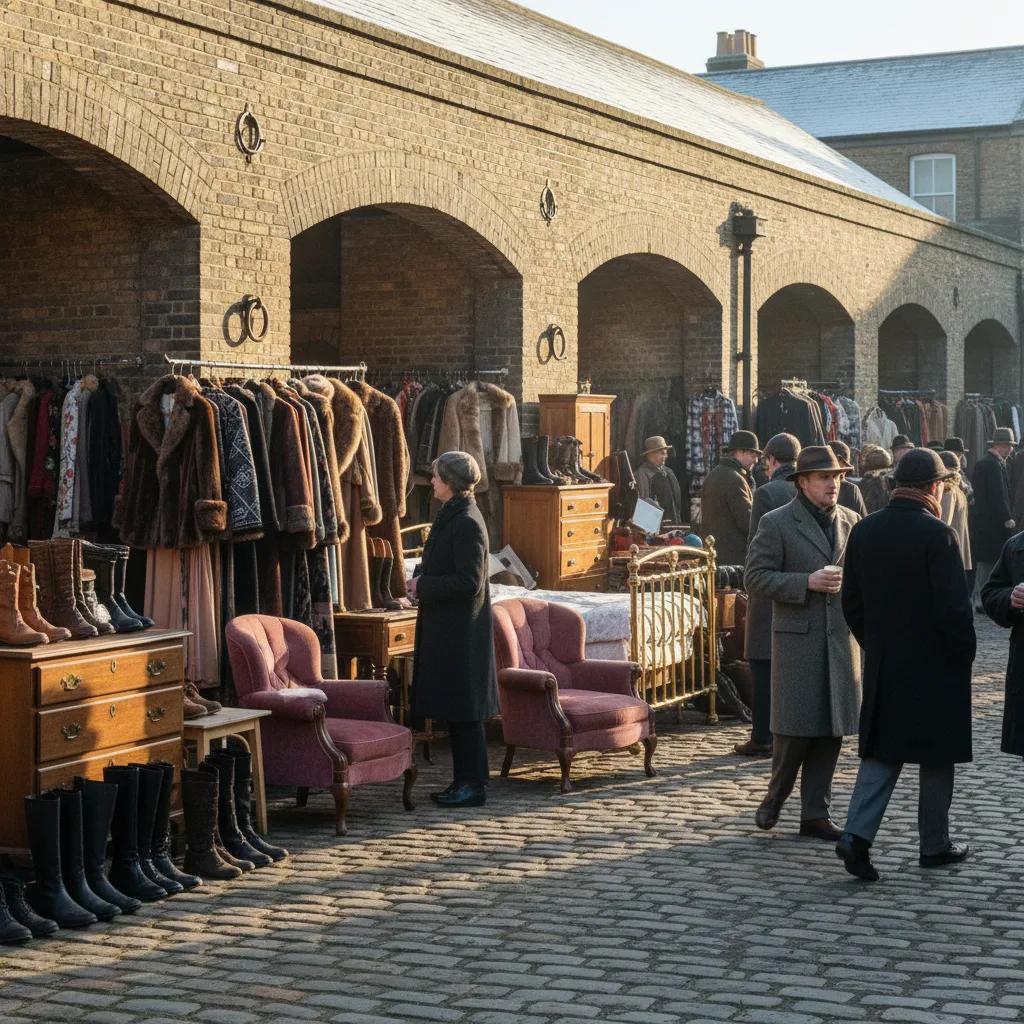
The Stables Market sits in buildings that once housed working horses for the railways and canal, and you can still see iron rings in the walls, cobbles underfoot and curved brick arches. Over time the yards filled with traders selling records, clothes, furniture and curios, and Camden became a magnet for punks, goths and anyone who liked their style a little rough around the edges.
Today the area mixes long-standing vintage dealers with food stalls and shops selling souvenirs and new fashion. That is not a bad thing, but it means the flea market feel is something you have to search for. The best vintage traders tend to be tucked away in the arches or side yards, away from the main thoroughfare where the newest stock and the loudest stalls sit.
The Thirty-Second Vintage Field Test
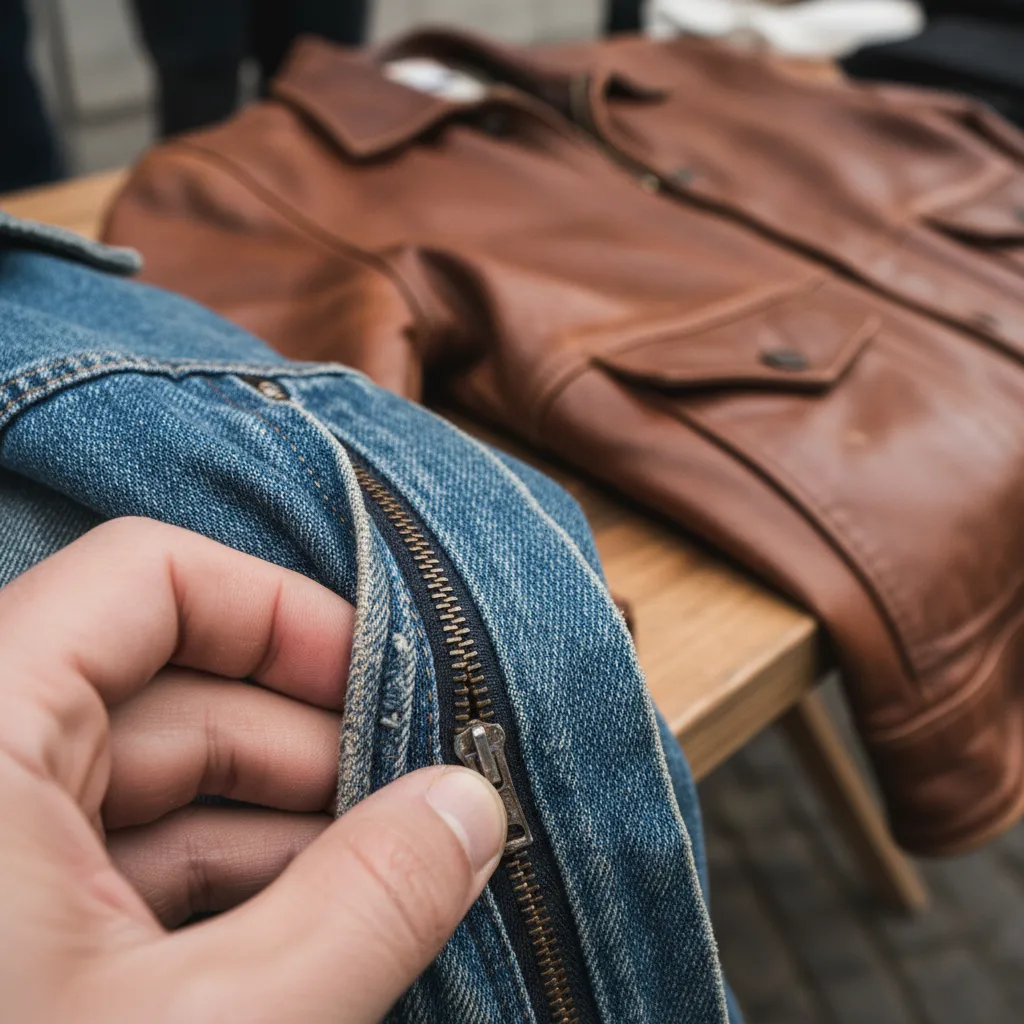
Start with the label. Older garments often have stitched-in labels with simple fonts, union marks or country-of-origin tags that look different from modern printed care labels. A shiny new label with long multilingual care instructions is usually a sign of recent manufacture. Then check the zip. Old metal zips from well-known makers feel heavier and run more stiffly than cheap modern ones.
Next, look at the seams on the inside. Older jeans often have different stitching patterns and selvedge edges, and older jackets show wear in the right places: elbows, cuffs and collar. New pieces made to look old often have even, artificial fading across the whole garment. Finally, feel the fabric weight. Many older wool coats and leather jackets are heavier than their modern versions.
Where Genuine Pieces Hide
Head away from the main entrance and into the quieter arches and back corridors of the Stables. Dealers who specialise in older pieces often have smaller, more crowded spaces with rails packed tight and boxes of accessories underneath. Furniture and antique traders also tend to set up deeper in, with lamps, mirrors and chairs spilling out onto the cobbles.
Look for traders who can tell you about their stock. A dealer who knows where a jacket came from, what decade it dates to or what a particular label means is usually selling genuine vintage. If the answers are vague or every item on the rail is in the same perfect size range, you are likely looking at new stock. Trust conversations as much as tags.
Time Your Visit Around the Crowds
Camden fills quickly, and the narrow corridors in the Stables can become slow-moving lines by late morning. Come early, when traders are still setting up and happy to chat, and give yourself an hour before the main crowds. Weekdays tend to be calmer than the weekend, and you will have more time to look properly and ask questions without being jostled.
Late afternoon can also be good, when some of the crowds drift toward the canal or the pubs. Traders who have had a slow day may be more open to a small discount. Either way, avoid the middle of the day if you want to browse seriously. The busy period is fun for people-watching but hard for checking seams and labels.
Who Shops the Arches
You will see a real mix. There are fashion students carrying sketchbooks, stylists pulling pieces for shoots, long-time Camden regulars in leather and studs, and visitors from all over the world. Some vintage dealers from other parts of London come here to sell, and you may also see them browsing each other's rails in quiet moments.
The unspoken rule is to treat rails gently. Vintage pieces are often fragile, and dealers have spent time sorting and pressing them. Do not pull hangers roughly or leave items on the floor. Another rule is to ask before trying things on. Many smaller traders have a curtain or mirror, but some do not, and they will appreciate the question.
What to Skip in Camden
Skip the stalls near the main entrances that sell band T-shirts in perfect condition and neat stacks. They are almost always new reprints, and you can find the same designs online. Also skip souvenir shops along the high street if you are on a vintage hunt. They look busy and colourful, but they are not where the flea market spirit lives.
The honest judgment is that Camden is not the cheapest place in London for vintage. Rents are high and the crowds are large, so prices reflect that. Come here for the atmosphere, the range and the chance to find a standout piece from a knowledgeable dealer, not for a bargain bin. If cheap is your main goal, smaller markets in south or east London are a better bet.
Plan B When It Gets Too Busy
If the Stables are packed, walk along the canal toward Primrose Hill or follow Chalk Farm Road north. Smaller vintage and second-hand shops sit along the way, with fewer crowds and often more relaxed traders. A detour to the quieter side streets can also turn up charity shops with surprising finds.
You can also save Camden for a weekday and switch to a different area on busy days. Before leaving home, open the Karpo APP to see which vintage shops sit near Camden Town and Chalk Farm, then plan a route that starts with the quieter options and only ends in the main yards if you still have energy.
Practical Notes for the Stables
Wear comfortable shoes for cobbles and stairs, and keep your bag zipped and close to your body in the crowds. Carry a mix of cash and card, since some smaller traders prefer cash for low-cost items. A small torch on your phone can help you check seams and labels in darker arches.
Take photos of labels and stitching if you are unsure about a piece, then compare them with what you know before buying. Do not feel pressured to decide on the spot, and remember where you saw something by noting the arch or the trader's sign. Camden rewards patience, and the best piece is often the one you return for after a lap of the canal.
Ask Karpo for more information.
Keep reading
- Brixton Vintage Thrift Shop Finder: South London Retro Gems
 Notting Hill Vintage Thrift Shop Finder: Preloved Rails
 Soho Vintage Thrift Shop Finder: West End Designer Archives