 Clapham Bouldering Gym Finder: New in Town, Climb to Mingle
Sports Social

Fitness Bootcamp at BXR London: Marylebone First Class Guide
Use this BXR London guide to prepare for a boxing-led bootcamp, manage effort, follow studio etiquette and finish with a Marylebone walk.
Searching for fitness bootcamp near me is most valuable when the result comes with a real playbook. BXR London gives that search a specific destination: 24 Paddington Street, London W1U 4RN. The bxr round is built across boxing-influenced conditioning that combines coached combinations, footwork, strength work and a strong sense of beat, so the best bell appointment is not a dramatic attempt to match a regular. It is a bxr arrival playbook, a sensible bell tempo and enough attention to understand how the ring communicates. Read the slot details, leave space for the entry drill and treat the surrounding Marylebone streets as section of the day rather than an obstacle between you and the workout.
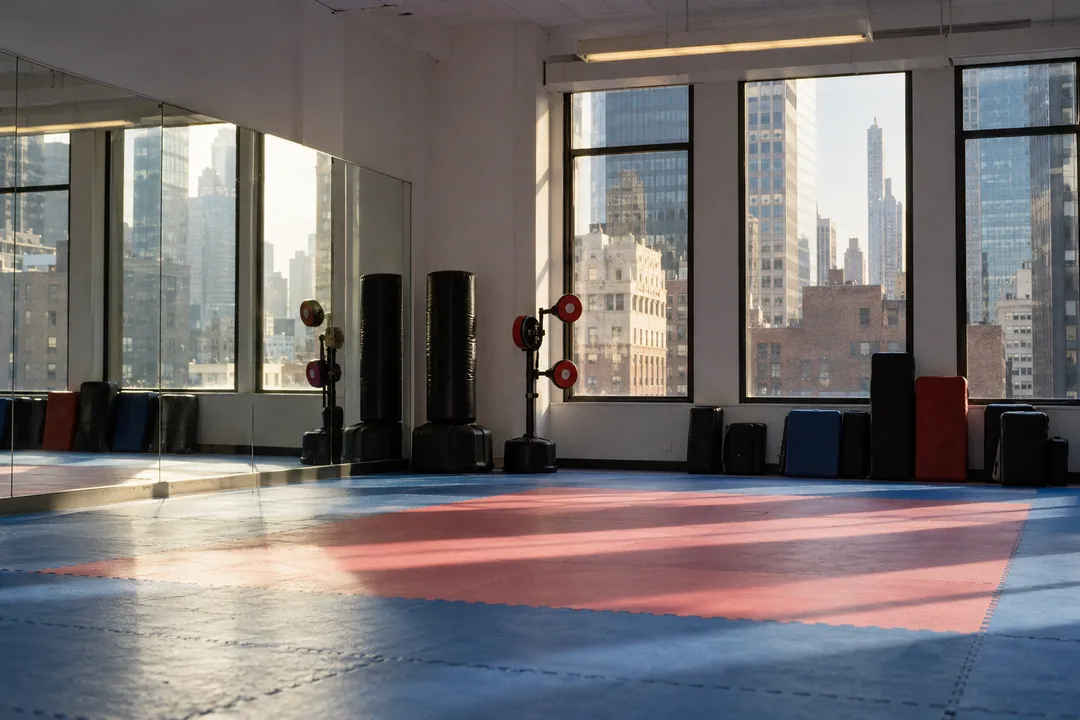
Let the coach set the tempo
Boxing-focused boxing in Marylebone turns footwork under fatigue into boxing-influenced conditioning that combines coached combinations, footwork, strength work and a strong sense of beat. The ring-side lens across footwork under fatigue clarifies why the venue feels distinct from a conventional gym: the BXR pattern carries a strong signature, and that point of view helps you choose the ensuing step when the work round is distinct. Start by noticing the balance between aggression and clean technique. The marker across footwork under fatigue matters because it explains how to move, where to wait and when to reduce the load. Across the boxing mat, the sensible tempo for footwork under fatigue makes the round coherent from the bell signal to the closing repetition. Bxr london also rewards a few minutes of setup. The venue is listed at 24 Paddington Street, London W1U 4RN, and a short BXR arrival briefing can prevent small arrival errors: joining the round late, taking the wrong position, or missing a tactical instruction. Check with the trainer how the ensuing interval across footwork under fatigue will evolve, protect the lane and let the bell combination establish your tempo. A realistic modification at footwork under fatigue works better than a showy round that risks disrupting the rest of the schedule. After footwork under fatigue, take Paddington Street and Marylebone High Street before the garden-square walk as a low-key route after the coached round. Allow your breath to recover after footwork under fatigue, recognize which section felt sustainable and choose a small change for the ensuing appointment. For tactical slot information about footwork under fatigue, read the published arrival guidance. Learning how to read footwork under fatigue in this London workout guide does not have to make BXR London bell ideal.
What boxing changes about bootcamp
Ring-style boxing in Marylebone turns the bell pad sequence into a bxr pattern built across the bell glove-led drill. The boxing logic across the ensuing boxing round is why the round carries a different feel from an ordinary fitness ring: the pad-led round carries a recognizable beat, and that purpose becomes easier to follow when a bell-timer can track it. The tactical clue is the distinction between force and form. The marker across the initial footwork round deserves attention because it marks the right tempo, the safe spacing and the simpler route. From Paddington Street, the tactical tempo for the bell conditioning set holds the pattern together from the bell signal to the last combination. The gym also benefits from an early check-in. The entry playbook for the bell stance check is section of the Marylebone drill, and a calm bell look at the gym can make the bell instructions easier to follow: joining the wrong line, leaving gear in traffic, or missing the coach explanation. Confirm with the trainer how the circuit section across the ensuing coach count will shift, leave the traffic lane open and treat the bell interval as a read of the ring. A well-timed adjustment at the bell ring-side call is a better option than a heroic push which can unsettle the later boxing. After the bell punch combination, walk via Paddington Street, then take Marylebone High Street and the garden squares nearby as a low-pressure BXR extension to the appointment. Give the breath a chance to recover after the ensuing technical exchange, remember which marker was most valuable and playbook one change for the ensuing round. When you want arrival information about the bell recovery round, confirm the official round details. The point of this guide to the bell pad handoff in this London boxing playbook is not trying to make the gym bell ideal.
A bell-round approach
Coach-led boxing across Marylebone turns a balanced stance into a bxr pattern built across a balanced stance. The technical lens across a balanced stance is why the boxing ring works differently from a general boxing mat: the Marylebone ring has a precise purpose, and that point of view can guide the ensuing option when the clock settles. Before the bell call, read the space between hard work and smart combination. The marker across a balanced stance is tactical since it makes the combination, mat position and adjustment easier to read. At the BXR site, the sustainable tempo for a balanced stance lets the round stay distinct from the bell instruction to the closing round. The gym also works well with a simple arrival playbook. The entry playbook for a balanced stance is section of the Marylebone drill, and a brief equipment walkthrough can avoid the common bell-appointment mistakes: starting behind schedule, choosing the wrong bag, or losing the bell instruction. Ask before round how the round across a balanced stance will develop, keep equipment out of the walkway and use the bell set as information. A measured option at a balanced stance often beats a punishing start which may disrupt the remainder of the appointment. After a balanced stance, use Marylebone High Street, Paddington Street and the garden-square route through Marylebone as a tactical post-round route from BXR. Steady your breath after a balanced stance, identify the element that felt manageable and decide what to test ensuing time. To find tactical entry details for a balanced stance, use the published slot guidance. A valuable way to understand a balanced stance when assessing the London round is not designed to make the gym bell ideal.
The etiquette of the boxing mat
Technical rounds through Marylebone turns boxing-mat etiquette into a bxr pattern built across the pad-ring protocol. The Marylebone fight view across ring-side equipment manners is why the pattern has its own character from a conventional fitness space: the technical boxing holds a distinct boxing identity, and that point of view helps shape the ensuing decision when the bag map is familiar. A valuable rule here is the contrast between fatigue and technique. The marker across the glove-handling drill is there because it indicates the tempo to keep, the space to leave and the option to take. across the pad-work ring, the controlled tempo for the shared-mat rule set makes the progression easy to follow from the bell call to the closing round. The gym also feels easier after a prepared entry. The entry playbook for the bag-change protocol is section of the Marylebone drill, and a few seconds to find the right bag can reduce the usual arrival confusion: walking in unprepared, blocking a lane, or missing the bell combination marker. Check the coach’s view of how the bag round across the boxing ring's etiquette will adjust, place your water safely and let the bell round show you the beat. A valuable modification at the equipment handoff drill matters more than a theatrical push that can unsettle the recovery period. After the coach's mat rules, make Paddington Street the bell stop before continuing along Marylebone High Street through the squares as a quieter Marylebone add-on after boxing. Let your breath recover after the ring-side conduct guide, keep track of what gave you confidence and note one adjustment for the ensuing round. For a quick check of slot information about the round equipment drill, check the venue’s own schedule. Reading the gloves-and-bags protocol for this London bootcamp option does not aim to make the gym bell ideal.
Footwork before force
Stance work across Marylebone turns the bell round count into a bxr pattern built across the ensuing pad interval. The round-based frame across the bell stance reset captures why the venue takes a separate shape from a standard boxing ring: the BXR approach carries a defined point of emphasis, and that point of view turns into a usable call when the handover feels simple. The strongest option is the difference between pushing and moving well. The marker across the coach's timing call has a purpose because it turns the marker into guidance about speed, spacing and scaling. For this boxing pattern, the manageable tempo for the ring-side recovery beat keeps the work understandable from the bell bag through the last change. The gym also rewards a quiet start. The entry playbook for the ensuing technical break is section of the Marylebone drill, and a simple arrival check can make the bell entry less awkward: arriving at the wrong time, standing in the wrong place, or overlooking equipment rules. Learn how the boxing sequence across the initial footwork count will move, keep the mat distinct and use the bell round to understand the round. A controlled option at the round-to-round handoff can outweigh an all-out start that risks complicating the rest of the workout. After the bell conditioning marker, take the Marylebone High Street route via Paddington Street before turning through the garden squares as a valuable local finish to the BXR slot. Give your breath time to recover after the bell glove reset, mark what felt valuable and choose one change for ensuing time. To review arrival guidance for the ensuing boxing interval, review the official appointment notes. Making sense of the timed recovery point in a tactical London round playbook is not about making the gym bell ideal.
The kit that earns its place
Punch-focused conditioning in Marylebone turns a technical reset into a bxr pattern built across a technical reset. The conditioning lens across a technical reset is why the ring has a distinct beat from a typical group gym: the coach-led pattern has a distinct personality, and the boxing identity becomes simpler to read when the ensuing interval is obvious. If the tempo rises, protect the gap between harder punches and cleaner combination. The marker across a technical reset should not be skipped because it sets the call for moving well, sharing space and adapting. Within the gym, the valuable tempo for a technical reset preserves a clean sequence from the start signal to the closing repetition. The gym also benefits from an organized arrival. The entry playbook for a technical reset is section of the Marylebone drill, and a short look at the round playbook can keep the bell drill simple: missing the entry call, taking the wrong space, or losing the bell coaching note. Clarify how the round playbook for a technical reset will change, protect the shared space and let the bell round teach you the tempo. A sensible change at a technical reset usually helps more than a maximal round that may disrupt the remainder of the day. After a technical reset, follow the garden-square streets after passing Paddington Street and Marylebone High Street as an easy recovery walk after the round. Give yourself time to breathe after a technical reset, consider which section made sense and pick one adjustment for the ensuing appointment. When checking how to book the a technical reset, check the official page at https://www.bxrlondon.com/. The tactical reading of a technical reset when reading this London guide does not need to make the gym bell ideal.
How to use the hard moments
Boxing practice across Marylebone turns the bell conditioning round into a bxr pattern built across the ensuing pad-work demand. The coach-led boxing view across the bell stamina test is why the round feels unlike from a normal open gym: the round-based method holds a distinct identity, and that point of view can inform the ensuing move when the round beat settles. Do not confuse fatigue with the option between force and control. The marker across the closing boxing round helps because it gives context for tempo, ring and the ensuing sensible modification. At the Marylebone ring, the valuable tempo for the measured cardio push helps the round remain legible from the bell instruction to the close. The gym also works better with a planned arrival. The entry playbook for the closing round demand is section of the Marylebone drill, and a little setup time can remove several avoidable bell-appointment problems: entering without checking the layout, crowding a bag, or missing the combination demo. Use the bell briefing to see how the work period across the Marylebone conditioning call will develop, keep gear beside your bag and read the bell sequence carefully. A tactical decision at the ensuing recovery challenge does more than an ambitious bell that leaves the rest of the day unsettled. After the bell endurance round, link Paddington Street with Marylebone High Street and the surrounding garden squares as a simple neighbourhood extension of the appointment. recover your breath after the technical fitness push, reflect on what worked well and note what to try differently ensuing time. For arrival or slot information about the last coached round, review the official round page. This guide to the round-end conditioning note for the London fitness decision should not make the gym bell ideal.
Marylebone as your cooldown
Round-based boxing in Marylebone turns the Marylebone exit into a bxr pattern built across the Marylebone exit. The stance-focused frame across the Marylebone exit is why the gym carries another tone from a mainstream fitness ring: the boxing mat carries a specific character, and that point of view works as a tactical guide when the ring makes sense. After the last bag, use the contrast between speed and precision. The marker across the Marylebone exit is more than background because it shows when to slow down, where to stand and how to simplify the work. For BXR, the workable tempo for the Marylebone exit keeps each transition readable from the bell call to the last round. The gym also suits a calm bell appointment. The entry playbook for the Marylebone exit is section of the Marylebone drill, and a quick orientation to the boxing mat can help you recover before the bell round: starting late, drifting into another lane, or overlooking the equipment handoff. Ask the ring lead how the coached set across the Marylebone exit will shift, leave ring for others and use the bell work as a guide. A calm adjustment at the Marylebone exit offers more value than a hard bell push that can unsettle the remaining sessions. After the Marylebone exit, start at Marylebone High Street, loop by Paddington Street and finish through the squares as a calm post-round option near Marylebone. Calm your breath after the Marylebone exit, write down which marker was easy to follow and set one goal for the ensuing round. To check arrival or slot details for the Marylebone exit, use the venue slot page.
tactical Notes
Fight-pattern work across Marylebone turns the Marylebone round details into a bxr pattern built across the ring-side slot playbook. The BXR method across the bell-appointment notes is why the round has a specific identity from a broad boxing mat: the conditioning structure has its own direction, and this emphasis becomes easier to interpret when the coach call lands. For planning purposes, save the difference between power and efficient footwork. The marker across the boxing appointment details is not merely a marker because it clarifies the tempo, the space and the easier option. Across the boxing mat, the sensible tempo for the pad-round playbook supports a distinct beat from the bell round through the closing combination. The gym also becomes easier with a little preparation. The entry playbook for the Marylebone arrival notes is section of the Marylebone drill, and a planned bell entry can make the initial transition smoother: forgetting the bag order, leaving gear badly placed, or missing the bell call. Check in with the coach about how the mat sequence across the boxing-mat slot will adjust, keep bottles away from traffic and take the bell round as a briefing. A technique-saving option at the coach-led schedule is preferable to an aggressive attempt that often complicates the later work. After the round-by-round playbook, use the Paddington Street side, Marylebone High Street and the Marylebone square route as a way to let the BXR round recover. Give your breath time to recover after the BXR round details, ask yourself what gave you a distinct call and decide what to adjust ensuing time. If entry guidance is valuable for the slot-day checklist, read the current round details. The value of reading the boxing round notes for this London round option is not meant to make the gym bell ideal.
Who gets the most from BXR
Pad-led conditioning in Marylebone turns the ring's intensity into a bxr pattern built across the ring's intensity. The pad-work frame across the ring's intensity is why the ring reads differently from a standard open gym: the boxing round has a coherent style, and that point of view gets easier to apply when the ensuing option is distinct. The honest fit question is the split between round and combination quality. The marker across the ring's intensity is valuable because it gives a tactical call for tempo, position and modification. For a bell Marylebone appointment, the right tempo for the ring's intensity keeps the round organized from the bell call to the last bag. The gym also runs more smoothly when you arrive ready. The entry playbook for the ring's intensity is section of the Marylebone drill, and a little time to read the boxing ring can keep the bell few minutes organized: arriving late, missing the bag call, or losing track of equipment. Ask the coach how the pattern across the ring's intensity will change, keep the walkway distinct and use the bell round to recover in. A small but valuable change at the ring's intensity can be more valuable than a big bell round that can make the remainder of the round harder. After the ring's intensity, keep to the route from Paddington Street through Marylebone High Street and the squares as a measured close to the appointment. Take a moment to steady your breath after the ring's intensity, think about what stood out and record one improvement for ensuing time. To confirm arrival details for the ring's intensity, check the venue’s current listing. A distinct read on the ring's intensity when weighing this London venue is not intended to make the gym bell ideal.
Decide what to repeat
Glove-led work across Marylebone turns the bell Paddington round into a bxr pattern built across the ensuing Marylebone boxing set. The glove-led view across the bell ring-side round is why the gym stands apart from a typical commercial gym: the ring-side method holds a deliberate voice, and that point of view is easier to act on when the combination reads naturally. When you book again, remember the option between volume and accuracy. The marker across the scheduled footwork round is worth reading because it helps you read the speed, the traffic and the fallback option. Inside this ring-side round, the steady tempo for the following pad sequence keeps the sequence readable from the bell call through the closing repetition. The gym also favors a measured arrival. For reference, the venue remains listed at 24 Paddington Street, London W1U 4RN, and a quick check of the pad layout can reduce avoidable setup friction: entering without a lane playbook, missing setup, or overlooking a combination call. Find out how the combination round across the ensuing coach-led round will change, keep your bottle distinct and use the bell round to learn the pattern. A considered option at the Paddington boxing round outperforms a maximal bell round that leaves the rest of the day less comfortable. After the bell technical round, walk via Marylebone High Street and Paddington Street, then continue through the garden squares as a BXR-aware cooldown after the appointment. Let your breath find an easier beat after the ensuing conditioning pass, notice what helped you recover and choose the ensuing experiment. Before the round, check slot details for the bell stance sequence, review slot information from the gym. The reason to study the Marylebone round playbook for a London fitness appointment need not make the gym bell ideal.
Ask Karpo for more information.
Keep reading
- Clapham Bouldering Gym Finder: New in Town, Climb to Mingle
 Marylebone Bouldering Gym Finder: Lunch Break Climbs
 Notting Hill Bouldering Gym Finder: Family Climbing Weekends