 Waterloo Cozy Board Game Cafe Finder in South London
Weekend Plans
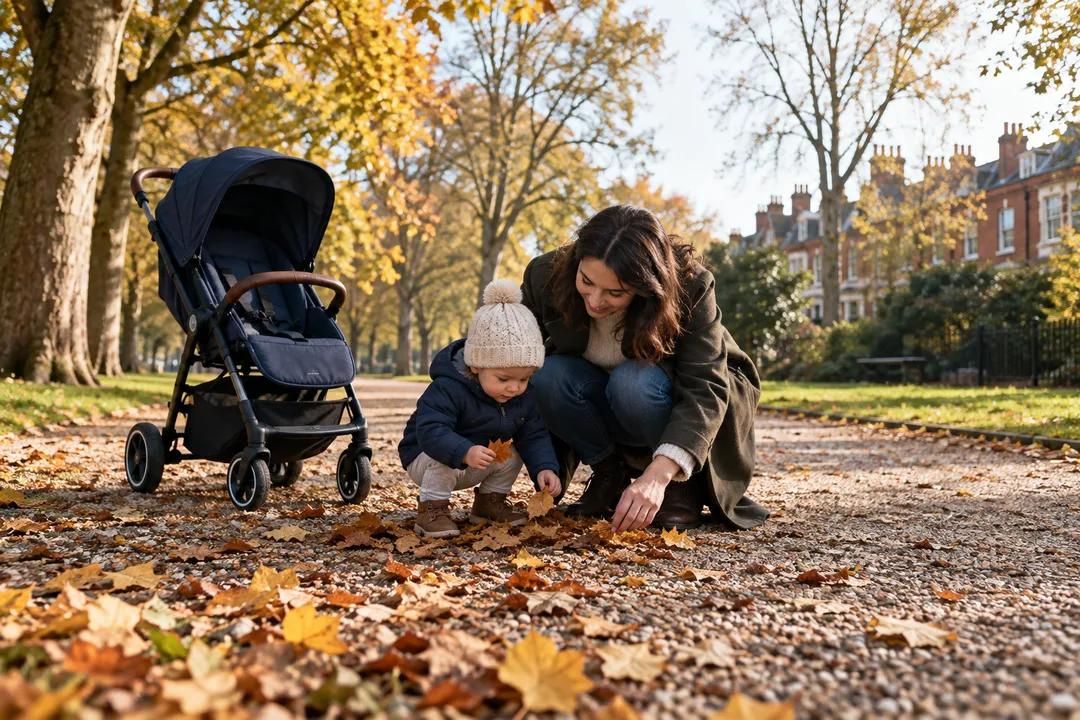
London Family Outing Planner for a Toddler Sized Morning
Build a London morning around toddler naps, stroller transitions and one shared discovery, with a clear return home and less pressure to fit everything in.
A London family outing planner earns its place when the journey home still feels manageable. With a toddler, the useful question is how much discovery fits between breakfast and sleep, including the unglamorous moments spent finding a dropped glove or putting a coat back on. Begin with the child's familiar rhythm, then choose a small experience the adults will enjoy too. A modest morning with room to linger can offer more shared pleasure than an ambitious list of attractions scattered across the city.
Put the nap on the page first
Write the usual nap window before considering destinations. Decide whether sleep needs to happen at home or whether your child regularly settles in the stroller. Treat that as information about your household, rather than a promise that a different environment will work equally well. If home is the reliable choice, work backwards from arriving there, allowing for the return journey and the time needed to settle. The outing then occupies a defined space instead of borrowing from the afternoon.
Imagine a Saturday that begins in your own London neighbourhood after breakfast. You want a little outdoor exploration and a comfortable pause, with enough time to get home without rushing. The first draft might contain only a place to look around, somewhere to sit and the return. Those are functions, not three compulsory destinations. One suitable setting could accommodate all of them. Keeping that possibility in mind prevents the plan from growing each time an appealing suggestion appears.
Give the stroller a specific role
A stroller can carry a tired child, offer a familiar seat or become the place where an attempted nap happens. Tell your planning assistant which role matters today. Also describe any difficulty with folding, carrying or leaving it unattended. Two families with the same child age can need very different routes. A parent travelling alone with a bulky stroller has different choices from two adults taking a compact buggy, even when everyone wants the same kind of morning.
For travel suggestions, separate the walk to transport from the walk at the destination. A short advertised visit does not describe the complete effort of leaving your front door. Picture the sequence with the equipment you actually use: pavement, entrance, vehicle or station, arrival and the first resting place. Keep uncertain access details as questions attached to a candidate. A familiar nearby route can be preferable to a more glamorous suggestion whose practical transitions are still unclear.
Choose one thing worth noticing together
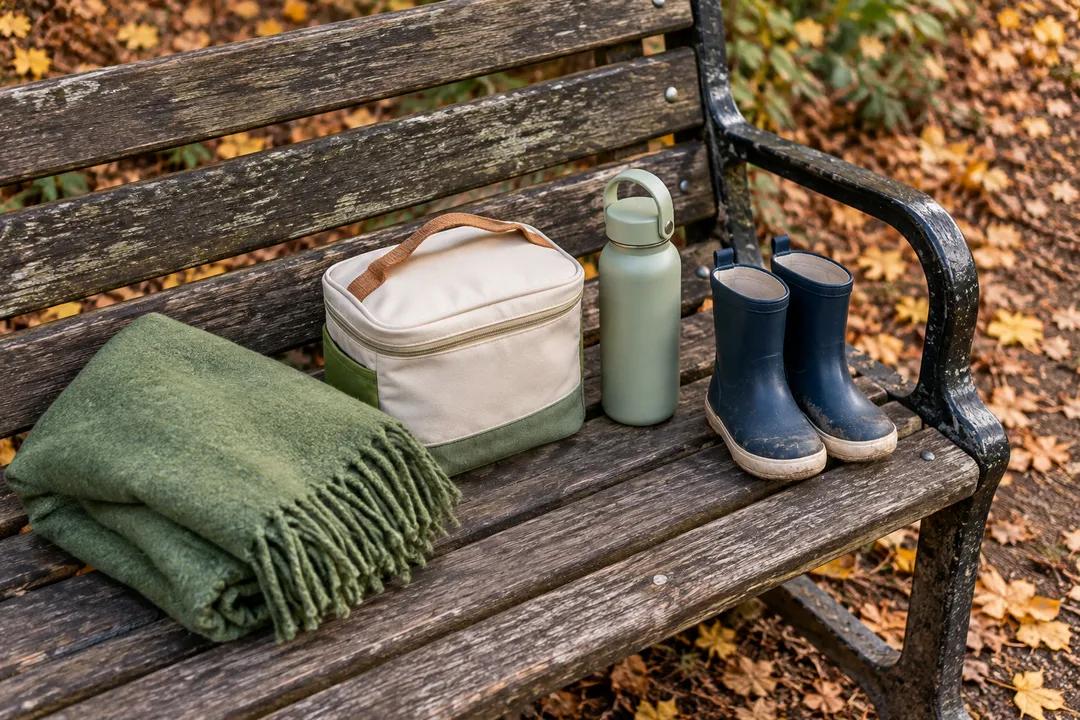
Instead of promising constant entertainment, choose an observation game that can survive interruptions. Your child might enjoy collecting fallen leaves where permitted, looking for round shapes or counting different coloured doors. Adults can take an interest in the setting without requiring the toddler to follow a guided tour. The game should need little equipment and no specific animal or performance. Ordinary details offer enough material when there is time to look at them from a child's height.
Keep the adult interest equally concrete. Perhaps you want to see an unfamiliar street, sketch a building or enjoy ten quiet minutes outside. Give that interest a place in the brief so the outing does not become a chain of errands performed around the child. It can coexist with toddler attention rather than compete for a separate stop. If looking closely at a garden is satisfying for everyone, there is no need to add a second attraction just to make the itinerary sound substantial.
Make food a reliable pause
Pack the food and drink your family normally uses, and follow the eating rules of the setting you select. A snack break works better as a deliberate transition than as a rescue operation after everyone becomes uncomfortable. Decide whether you need a seated meal or simply a pause. Those needs lead to different suggestions, particularly when the stroller stays beside the table and an adult wants enough space to help a child without blocking a passage.
Avoid building the whole morning around the assumption that a particular café will have a table ready. If a food stop is essential, its suitability belongs among the details you establish while selecting the outing. If it is optional, bring a workable alternative within your normal routine. This distinction is useful in a plan because it identifies what must happen for the day to function and what would merely add pleasure if the timing feels right.
A short brief for the Karpo APP
Karpo's public introduction describes starting with your mood and working around your schedule. Use that conversational starting point to explain this morning in the Karpo APP. For example: “We are in London with a two-year-old and one stroller. We want an easy morning close to our starting neighbourhood, some outdoor looking around and somewhere to sit. We need to be home for the usual nap. Please suggest a small set of ideas rather than a packed sightseeing day.”
Add the neighbourhood name and your own departure and return times to that example. You can also state a spending ceiling, whether a paid activity is welcome and what kind of weather exposure you will accept. These are requests that define your preferences. They do not establish that a suggested entrance is usable or that a session has space. Keep choosing activities separate from any later ticket purchase, and treat a proposed route as a draft until its essential details have support.
Decide what ends the outing
Choose an ending that belongs to the experience: one last look at the water, packing the sketchbook or putting the snack box away. A recognisable final action can make leaving easier to explain than an abrupt announcement halfway through something interesting. Tell the child what comes next in simple terms. The adults should already know the route home, so the final transition does not become another discussion conducted beside a tired toddler and a loaded stroller.
Set your own threshold for shortening the morning too. If getting out took longer than expected, remove an optional element rather than squeezing the return. If the child is absorbed in a small discovery, staying there might be the most enjoyable use of the remaining time. The point of the planner is to support those decisions. A successful outing can finish earlier than the first sketch and still deliver exactly the shared experience you wanted.
Practical notes for a gentle start
Before leaving, put the homeward journey, familiar food, spare clothing and necessary care items in one simple household checklist. Assign who carries what if more than one adult is coming. Leave space in the bag for layers that come off during the visit. None of this requires turning the morning into a logistical project. It simply reduces the number of small decisions competing for attention when your child wants to stop and investigate something unexpected.
When you return, notice which part deserved the time you gave it. Perhaps the journey was too complicated, or perhaps the unplanned bench pause was the highlight. Use that observation in your next request instead of merely asking for more destinations. A London family outing planner becomes more useful when it reflects the pace your household enjoys. Start with a clear toddler routine, keep one worthwhile shared activity and let the rest of the morning remain comfortably small.
Ask Karpo for more information.
Keep reading
- Waterloo Cozy Board Game Cafe Finder in South London
 Shoreditch Cozy Board Game Cafe Finder in East London
 Brixton Cozy Board Game Cafe Finder for Warm London Days