 Waterloo Cozy Board Game Cafe Finder in South London
Weekend Plans
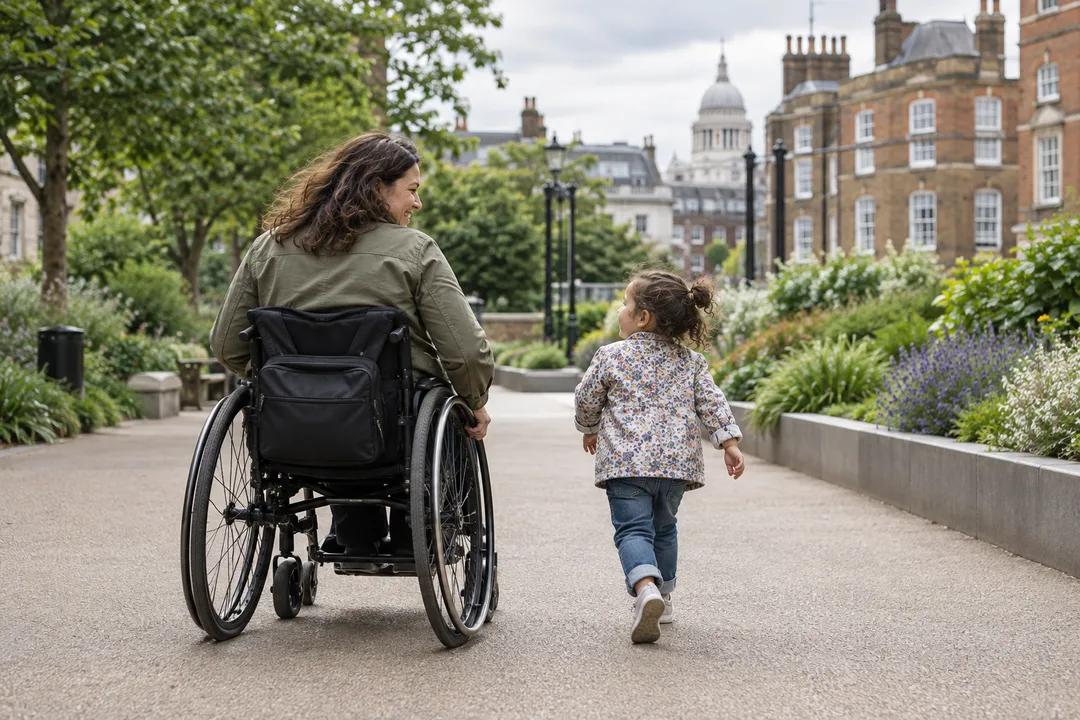
London Family Outing Planner for Step Free Days Together
Frame a London family outing around individual access needs, usable resting places and specific route questions, without assuming a step-free label is enough.
A step-free outing starts with the person taking it, the equipment they use and the kind of day they want. A London family outing planner can help organise those requirements into a clear brief, but a broad accessibility label cannot describe every entrance, surface or seat. Begin with the decisions that affect participation, then choose an activity everyone can enjoy. The aim is to make access part of the whole experience, from leaving home to resting comfortably and returning together.
What does step-free mean for your family?
Describe the actual requirement instead of relying on a single adjective. Someone using a wheelchair may need a continuous usable route, enough turning space and a suitable place alongside other family members. Another person may walk independently but need to avoid steps and rest frequently. A stroller introduces different handling choices. Use the description that fits the individual, and let them decide what information they are comfortable sharing with the rest of the group.
Include the details that change a choice. These might concern a manual or powered chair, the ability to use a ramp, the surfaces that are comfortable or the amount of walking someone wishes to do. The relevant person is the authority on their own preferences. Do not substitute a companion's optimistic estimate for those needs. A family plan works better when everyone understands the requirements before a particular attraction becomes the emotional favourite.
Which part of the journey needs the closest attention?
Break the outing into distinct sections: leaving your starting place, reaching transport, travelling, arriving and moving through the activity. This makes it easier to see where a route still has an unanswered question. An accessible destination does not, by itself, describe every approach to it. Equally, a manageable journey does not establish that all parts of the selected activity are usable. Keep each practical detail attached to the section it actually describes.
For a London day, write down the starting neighbourhood and the point where the family expects to finish. If those are different, the return needs its own consideration. Ask whether a proposed route uses the same entrance in both directions and whether an alternative exit would change the journey. These are planning questions to resolve for a real candidate. They do not imply that a particular station, street or building has the arrangement you need.

How can a seating requirement become specific?
Explain what makes a rest usable. A person might need a backrest, arm support, a particular seat height or space beside a bench to remain with the family. Someone else may prefer indoor shelter or a place away from loud activity. Seating “nearby” can be too vague when reaching it adds another difficult leg. Describe the interval at which you want to rest in terms that make sense to the person concerned.
When considering a candidate, relate each pause to a purpose. There might be a place to settle on arrival, a rest during the activity and somewhere comfortable to wait for the return journey. Do not infer seating capacity or guaranteed availability from a photograph of one bench. Keep documented facilities distinct from a promise that a seat will be free. If a plan only works with one particular resting place, recognise that dependence while choosing between options.
Can everyone enjoy the same activity?
Start with shared interests, then examine how each person takes part. A making activity might involve reaching a work surface, while a viewing activity could depend on sightlines from a seated position. A family walk needs a route whose surfaces and resting arrangements suit the group. These questions help move the conversation beyond simply getting through the entrance. Participation is the reason for the outing, so it deserves the same attention as arrival.
Ask children what they would like to do alongside the family member with access requirements. There may be a shared interest in drawing, listening to stories, noticing architecture or playing an observation game. Avoid making one person's inclusion depend on everyone else giving up enjoyment. Instead, find a small experience with different ways to contribute. The group can choose something engaging together, with any optional separate exploration agreed in advance by those involved.
What should you ask in the Karpo APP?
Use plain language to present the outing you want. An example request is: “We are planning a family afternoon in London from our neighbourhood. One adult uses a manual wheelchair. We want a shared activity with a short approach, a continuous step-free route and places to rest with the children. Please suggest ideas around these needs and keep any unclear access details separate from established information.” Adapt the description to the equipment and preferences of your own group.
Karpo's public presentation begins with mood and schedule, making a conversational brief an appropriate starting point for discovery. Detailed access information still belongs to the specific place and route under consideration. Do not read a suggestion as an access certification, a live lift report or a reserved seat. Use the conversation to express priorities and organise your questions, while the information attached to an actual candidate determines whether it fits the family's requirements.
What information should a place provide?
Look for descriptions that answer your own questions. Depending on the activity, useful details might include the route from the public entrance, internal level changes, lift arrangements, accessible toilets and seating. You do not need to gather every possible facility fact for every outing. Focus on the details that affect whether the person can participate comfortably. Keep a short record of what the place actually says, rather than replacing specific wording with a general “fully accessible” description.
Where an essential point remains unresolved, ask the venue a focused question about that point. For example, describe the equipment and ask about the route to the room you intend to use, rather than asking whether the whole building is accessible. A direct answer is easier to evaluate against an individual need. This is part of selecting the activity, not a reason to fill an itinerary with vague assurances. Choose another candidate if the information does not support the access you require.
How do you keep an alternative practical?
A useful fallback reduces effort and uncertainty. It might be a shorter version of the same activity or a familiar place that meets the family's established needs. Agree on what would trigger that change and who makes the decision. Avoid a backup that sends everyone across London to start a new journey under pressure. A family member should not have to argue for ending an outing when a necessary part of the route no longer works for them.
Practical notes for a shared departure
Keep the chosen entrance, travel plan and essential facility details together in a format the adults can use. Agree on assistance rather than assuming it is wanted, and leave the person using mobility equipment in control of decisions about that equipment. Allow ordinary time for clothing, belongings and conversation. A London family outing planner is most helpful when it makes room for those realities, leaving everyone free to enjoy the activity rather than repeatedly renegotiate how the family can take part.
Ask Karpo for more information.
Keep reading
- Waterloo Cozy Board Game Cafe Finder in South London
 Shoreditch Cozy Board Game Cafe Finder in East London
 Brixton Cozy Board Game Cafe Finder for Warm London Days