 Camden Korean BBQ Group Dinner Picker: Lockside Feasts
Restaurants
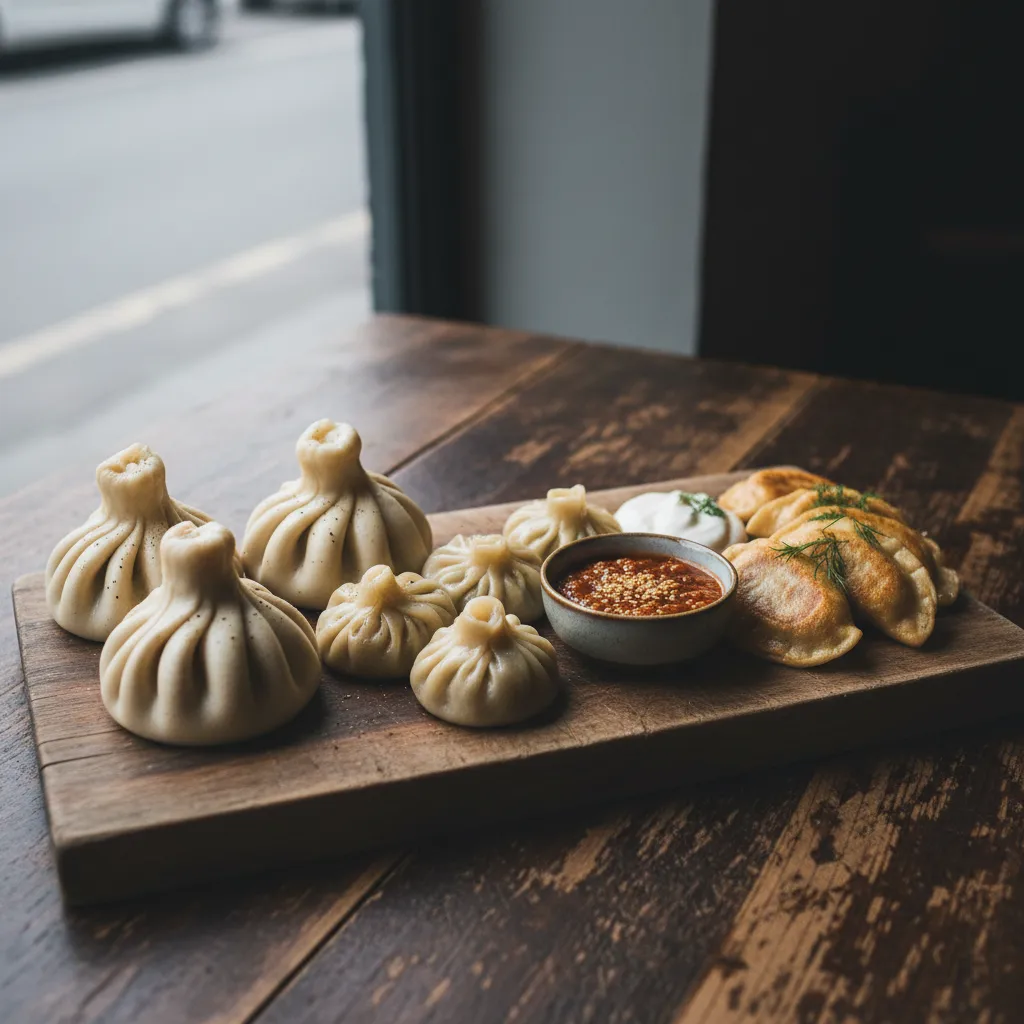
Islington Dumpling Lunch Spot Picker: Pick by the Fold
Pick an Islington dumpling lunch by the fold: khinkali, momo, pierogi or jiaozi, how long each takes, how to eat it and where to walk after on Upper Street.
This Islington dumpling lunch spot picker is for anyone who has an hour on Upper Street and wants something more interesting than a sandwich. Islington's long high street and the lanes behind it have quietly gathered dumplings from across the world. On one walk you can pass kitchens that make Georgian khinkali, Nepali momo, Polish pierogi and Chinese jiaozi. Each one is a little parcel of dough around a filling, but each one asks you to eat in a different way. So instead of choosing a restaurant first, choose the fold.
Why Pick by the Fold
A dumpling's shape tells you a lot about lunch. A twisted khinkali is big, juicy and meant to be eaten with your hands. A pleated momo is small and quick, perfect for sharing. A half-moon pierogi is often boiled and then fried in butter, so it feels like a proper hot meal. A jiaozi is light and comes by the plate, easy to scale up or down.
When you know what each fold means, you can match it to your mood, your hunger and the minutes you have before your next meeting or train.
Khinkali: For a Slow, Messy Lunch
Khinkali come from the mountains of Georgia. They are large, with a thick knot of dough on top and spiced meat or mushrooms inside, along with a mouthful of hot broth. The custom is to hold the knot, turn the dumpling upside down, bite a small hole in the side and sip the broth before eating the rest. The knot is usually left on the plate, and some people count them to see who ate the most.
This is a lunch for when you have time and good company. It is warm, filling and a little messy, so it suits a grey Saturday more than a quick weekday break. Order a few each with a side of bread and pickled vegetables.
Momo: For a Quick, Spicy Lunch
Momo came to London with Nepali and Tibetan families, and they are now loved across the city. They are small and neatly pleated, steamed or fried, and filled with chicken, buffalo, lamb or vegetables. The real star is the achar, a bright tomato and sesame chutney that ranges from mild to fiery.
Momo are ideal when you have half an hour. A plate arrives quickly, they are easy to eat with a fork or fingers, and they leave you light enough to go back to work. Ask for the chutney on the side if you are not sure about heat.
Pierogi: For a Cold-Day Comfort Lunch
Polish pierogi are half-moon dumplings with a crimped edge. Classic fillings include potato and soft cheese, sauerkraut and mushroom, or meat. They are boiled, then often fried in butter with onions and served with a spoon of sour cream. There are sweet versions too, filled with fruit or sweet cheese.
Pierogi feel like a home-cooked meal. They suit a cold, wet day when you want something soft and buttery. A mixed plate lets you try a few fillings, and the sweet ones can stand in for dessert.
Jiaozi: For Lunch With a Group
Jiaozi are the classic northern Chinese dumpling: thin dough folded into a crescent, filled with pork and cabbage, lamb, prawn or vegetables. They can be boiled, steamed or pan-fried, and they are usually served by the plate with black vinegar, soy sauce and chilli oil for dipping.
Jiaozi are perfect for a group because they are easy to share. Order a few different fillings and cooking styles, put them in the middle of the table and let everyone mix their own dipping sauce. Pan-fried ones with crisp bottoms are often the favourite.
A Simple Decision Guide
If you have thirty minutes and want heat, choose momo. If you have an hour and want a talking lunch, choose khinkali. If the weather is miserable and you want comfort, choose pierogi. If you are with four or more people, choose jiaozi and share.
For a vegetarian, every one of these has good options: mushroom khinkali, vegetable momo, potato and cheese pierogi and cabbage or chive jiaozi. Ask about the broth in khinkali and the fat used for frying pierogi if you need to be strict.
Dipping Sauces Worth Knowing
Each dumpling family comes with its own partner on the side. Khinkali are usually eaten with plenty of black pepper and nothing else, so the broth can speak for itself. Momo arrive with achar, which can be smooth and nutty or sharp with fresh chilli. Pierogi lean on sour cream, fried onion and sometimes a little crisp bacon. Jiaozi rely on the sauce you mix yourself.
A good starting mix for jiaozi is two parts black vinegar to one part soy sauce, with chilli oil to taste and a little crushed garlic if you like. Try one dumpling plain first, then dip the rest.
How to Order Without Waste
Dumplings are easy to over-order because they are small and come quickly. Start with a modest plate per person and add more if you are still hungry. Khinkali especially are more filling than they look.
If you want to try several styles in one trip, share one plate of each with a friend rather than ordering a full lunch at every stop. It turns an ordinary hour into a small tasting walk along the street.
Walk It Off in Camden Passage
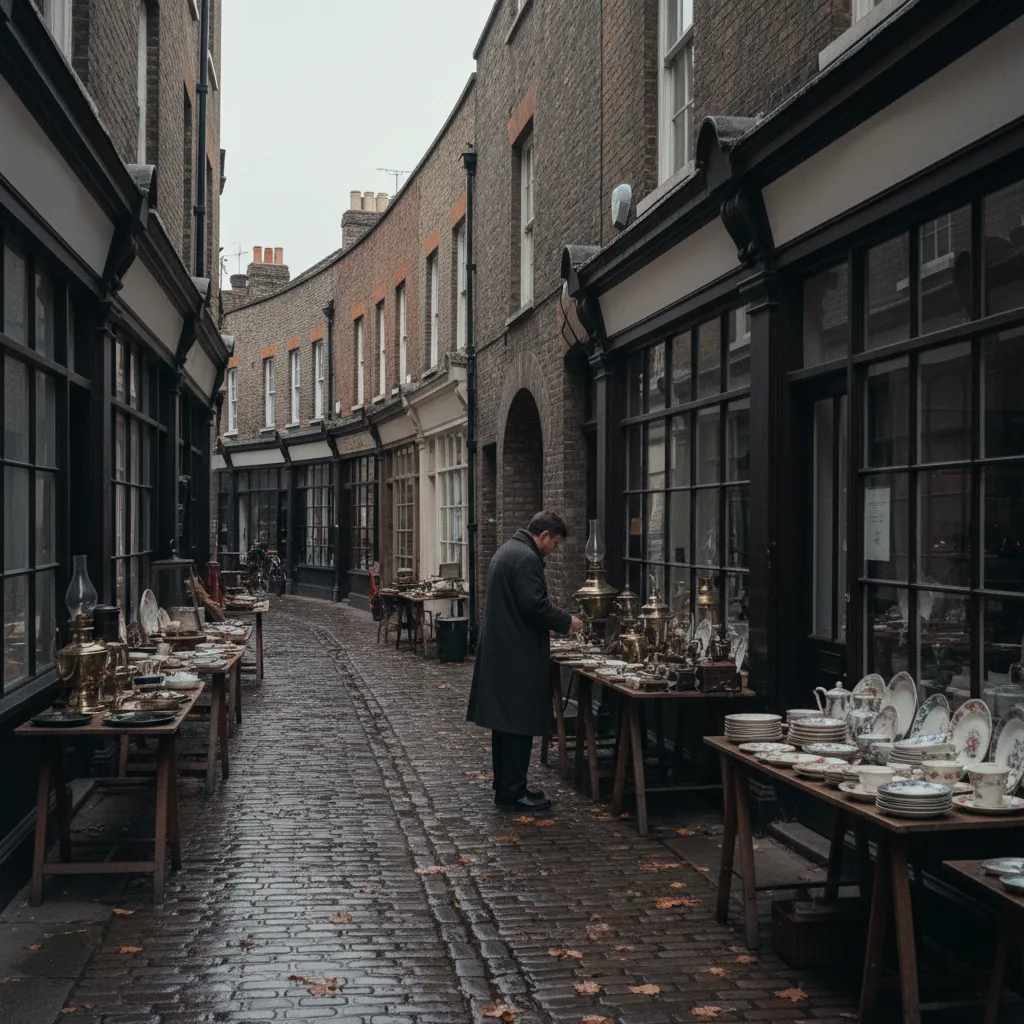
After lunch, slip into Camden Passage, a narrow lane just off Upper Street. It is known for antique dealers, vintage shops and small stalls selling old silver, prints and china. On market days the lane fills with trestle tables, and it is a pleasant place to browse for half an hour.
If you have longer, walk down to the Regent's Canal at the Angel end and follow the towpath east. Narrowboats, quiet locks and old warehouses make a calm end to a busy lunch.
Who This Plan Suits
This plan suits people who work or live around the Angel, friends meeting for a weekend lunch and food lovers who want to compare dumpling traditions in one place. It also suits anyone who is tired of the same lunch every day.
It may not suit someone in a great rush who wants a meal in ten minutes. Some dumplings are made to order and take a little time. In that case, look for a kitchen that also sells frozen bags to cook at home.
Before You Head Out
Upper Street is long, so plan your walk from one end to the other rather than doubling back. Angel and Highbury and Islington stations sit at either end, which makes it easy to arrive at one and leave from the other.
Open Karpo APP when you are on the street to see which dumpling kitchens are close to where you are standing, then let the fold decide your lunch.
Ask Karpo for more information.
Keep reading
- Camden Korean BBQ Group Dinner Picker: Lockside Feasts
 Holborn Korean BBQ Group Dinner Picker: Midtown Feasts
 Covent Garden Korean BBQ Group Dinner Picker: Shared Tables