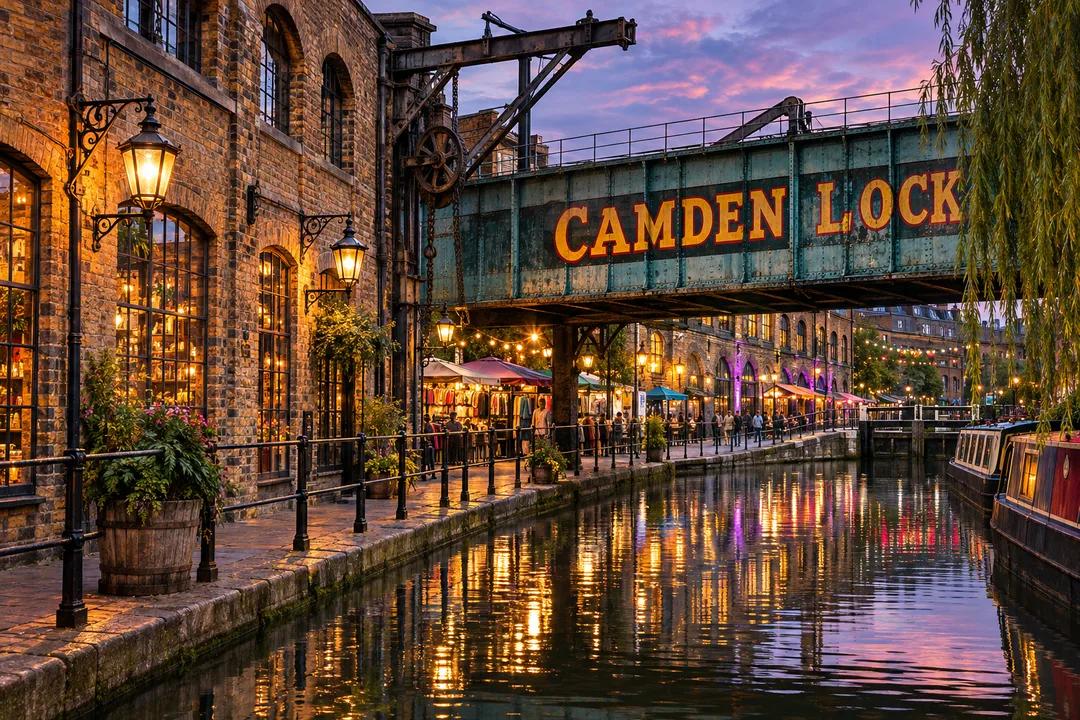
 Camden Korean BBQ Group Dinner Picker: Lockside Feasts
Restaurants
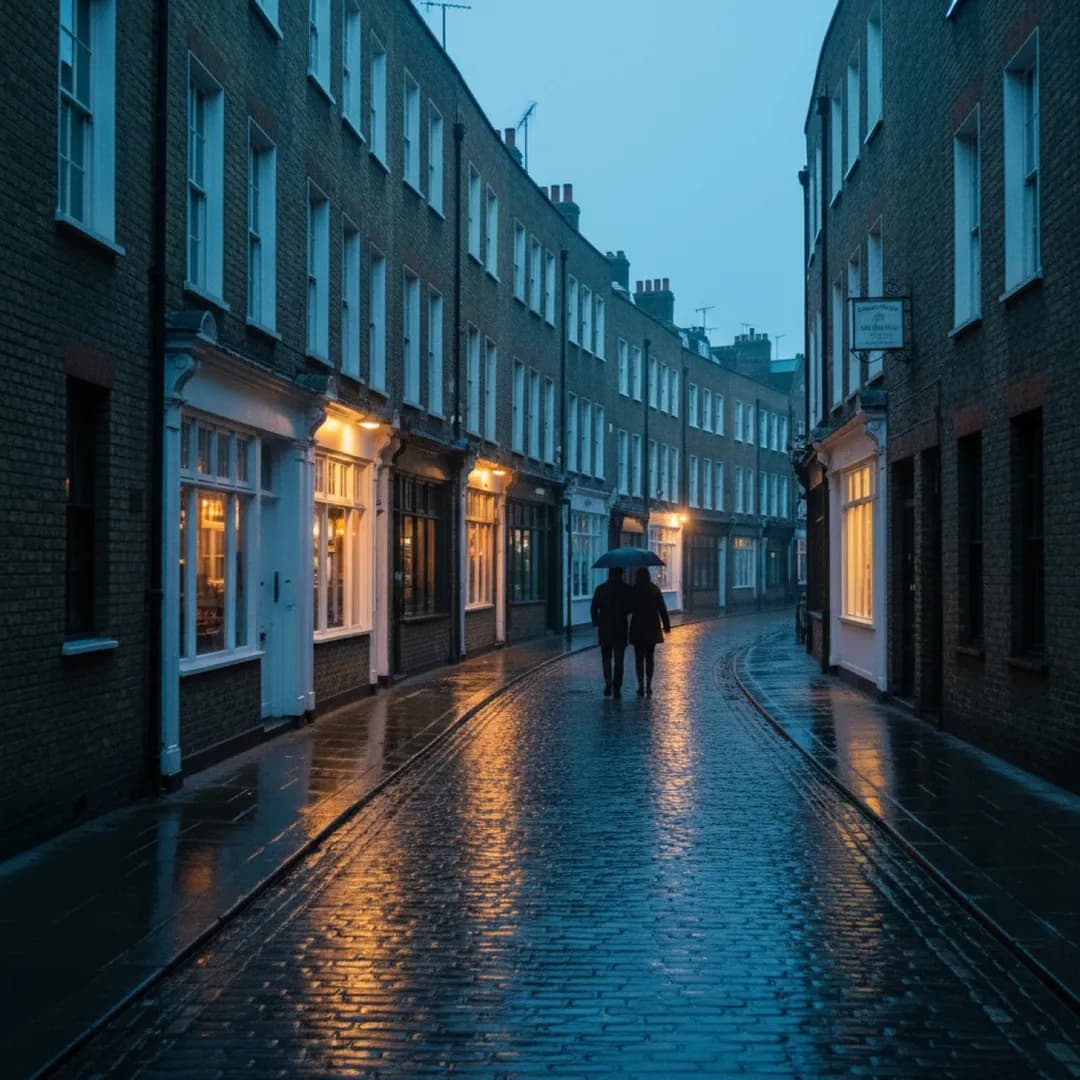
Dinner Spot Finder in Soho: Friday Tables Without the Wait
Soho dinner works best if you pick a street before a restaurant. Walk-in counters fill first, so book the room you want and keep a backup on Dean Street.
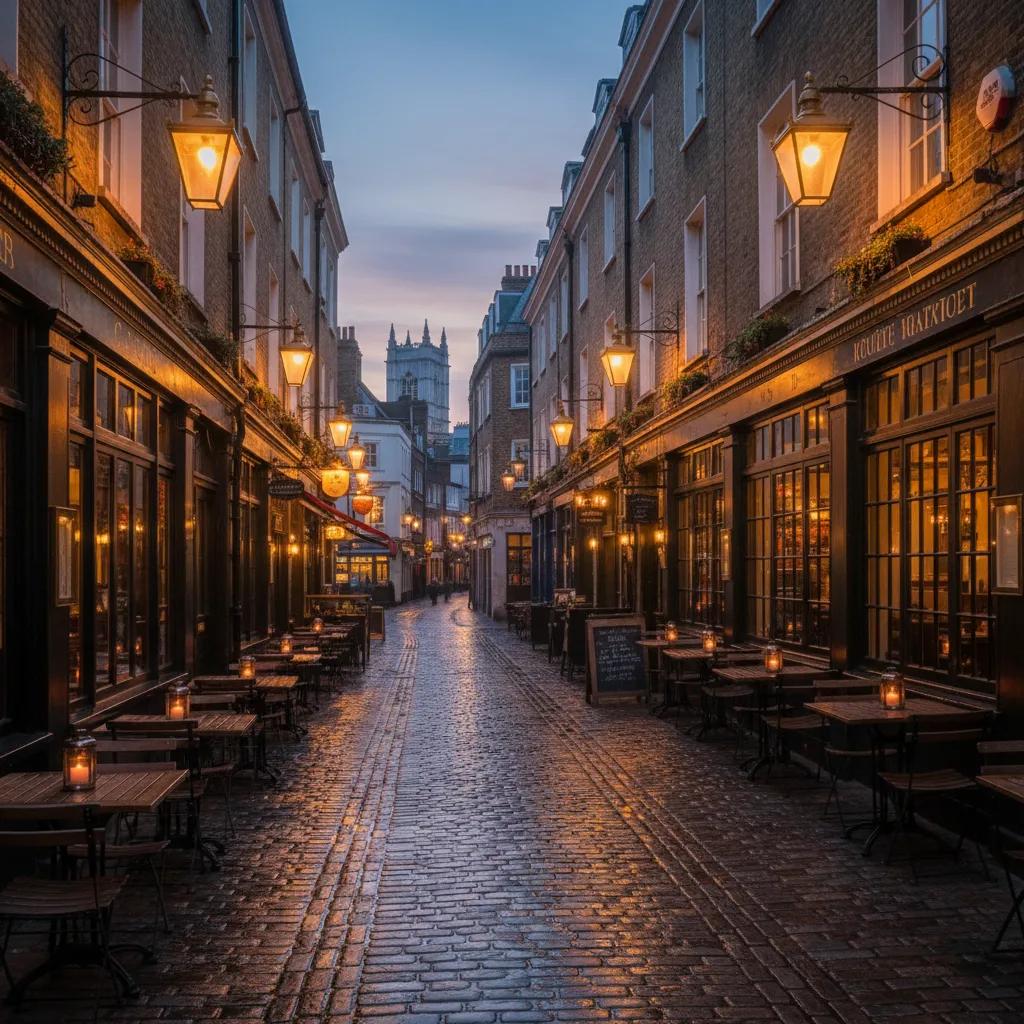
Soho is the part of London where dinner choice becomes a problem rather than a pleasure. Inside a square of streets bounded by Oxford Street, Regent Street, Charing Cross Road and Shaftesbury Avenue, there are more kitchens per block than almost anywhere in Europe, and on a Friday most of them are full. The neighbourhood rewards people who decide on a mood and a street first, then a room. This page walks through how to do that, which lanes suit which kind of evening, and how to use the Karpo APP to keep a shortlist that still works when your first choice has a queue down the pavement.
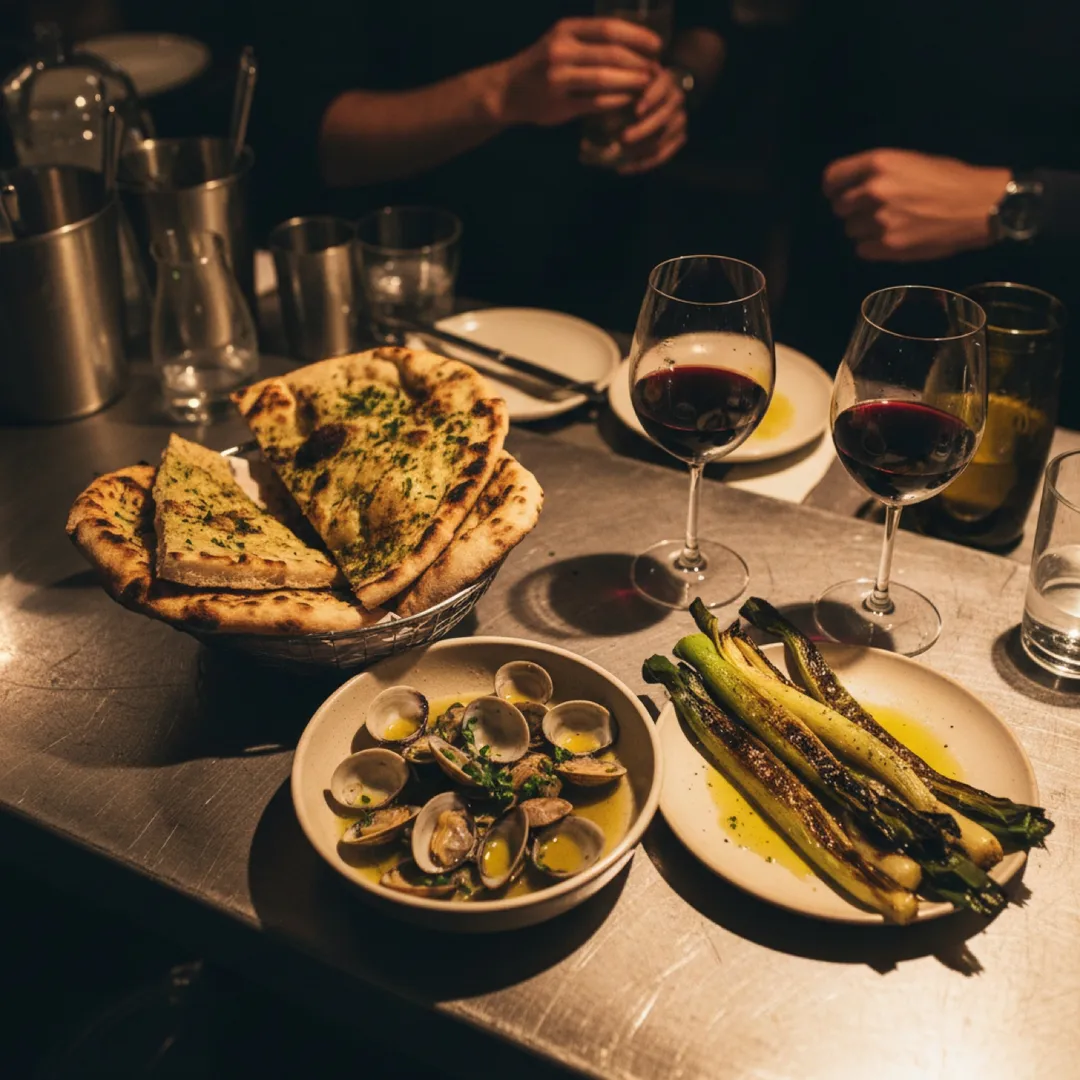
Why Soho Eats Differently From the Rest of London
Soho grew up as a district of immigrants, printers, tailors and late-night musicians, and its food reflects that layered history. French, Italian, Chinese, Greek and Hungarian families once ran cafés and delis here, and many of today's dining rooms still occupy narrow Georgian townhouses with tiny ground floors, steep stairs and basements that seat twenty people elbow to elbow. That compact architecture shapes how dinner works. Rooms are small, counters are popular, and a good table often means sitting at a bar watching cooks rather than settling into a banquette.
Because space is tight, a large share of Soho restaurants keep part of the room for walk-ins. That is great news for spontaneous plans and bad news if you arrive with six friends at peak time. Small groups of two or three move through Soho easily. Bigger groups should treat it like a booking district and avoid the counters entirely.
Choosing a Street Before You Choose a Room
Dean Street and Frith Street run north to south through the middle of the neighbourhood and carry a high density of established dining rooms, wine bars and long-running Italian places. They suit a classic sit-down dinner where you want tablecloths, a proper wine list and conversation. If one room is full, three more alternatives sit within a two-minute walk, which makes these streets the safest base for a first-time visitor.
Berwick Street feels rougher and more local. Its street market still trades by day, and in the evening the lane fills with small counters, natural wine bars and casual kitchens where the cooking is ambitious but the chairs are stools. Choose Berwick when the group is young, hungry and happy to share plates. Old Compton Street, meanwhile, is loud, busy and better for drinks and people-watching than for a focused meal.
Greek Street and the lanes around Soho Square sit slightly quieter. They work well for couples who want something candlelit and a little hidden, because the doorways are discreet and the rooms upstairs are calm even when Old Compton Street is roaring a block away.
How to Beat the Friday Walk-In Queue
The single most useful habit in Soho is arriving early. Walk-in counters seat their first wave quickly, and once the room is full the queue moves slowly because diners linger over wine. If you can eat before the post-work crowd spills out of the offices around Golden Square, you will usually get a seat without a list.
When you do arrive at a busy counter, leave a name and mobile number and then walk away. Most Soho kitchens will text when a seat opens, and the neighbourhood is dense enough that you can have a drink two streets over while you wait. Treat the wait as part of the evening rather than standing at the door.
For groups of four or more, book. Soho rooms often release tables a few weeks ahead, and Friday and Saturday evenings go first. If booking is not your style, pick a weeknight instead, when even the most talked-about counters can have spare stools at the bar.
Matching the Room to the Evening
A first date in Soho usually works best at a counter. Sitting side by side at a bar takes pressure off conversation, you get to watch the kitchen, and portions tend to be small plates you can share without negotiating a whole menu. Look for rooms with a long bar and a short, seasonal menu written on a board.
A celebration dinner suits the quieter townhouse dining rooms on Frith Street or around Soho Square, where you can book a corner table and order a full meal. Ask for the upstairs room if there is one, since it is usually calmer than the ground floor beside the door.
For pre-theatre dinner before a show on Shaftesbury Avenue, choose somewhere on the southern edge of Soho so the walk to the theatre is short. Tell the server your curtain time when you sit down. Soho waiting staff are used to theatre timings and will pace the courses for you.
Using Karpo to Build a Soho Shortlist
The fastest way to plan is to ask the Karpo APP the way you would ask a friend who knows London: something like a relaxed dinner in Soho for two, counter seating, natural wine, not too loud. Karpo suggests rooms that fit that mood and explains why each one suits the request, so you can compare a few options side by side before you leave the house.
Keep two or three names on the list rather than one. If the first room has a long queue, the second suggestion is usually a short walk away, and you will not lose your evening deciding on the pavement. After dinner, you can ask Karpo where to go next for a quiet drink nearby, which is handy in a neighbourhood where the loudest bars are not always the best ones.
A Simple Soho Evening Route
Start with a slow walk up Berwick Street to see which counters already have queues. Cut east along Old Compton Street for a pre-dinner drink, then head north into Frith Street or Dean Street for the main meal. Finish in Soho Square, where the benches around the little timber-framed hut are a peaceful place to sit for ten minutes before heading to the Tube at Tottenham Court Road.
If the evening runs long, Chinatown sits just south across Shaftesbury Avenue and keeps its kitchens busy well after Soho starts to wind down. It makes a reliable fallback for a late bowl of noodles when your group is still hungry after the theatre or a long pub session.
Practical Notes for Soho Diners
Soho streets are narrow and many are partly pedestrianised in the evening, so arriving by taxi can be slower than walking from Tottenham Court Road, Leicester Square, Piccadilly Circus or Oxford Circus stations. Most dining rooms are cashless and take cards only. Service charges are commonly added to the bill in London, so read it before adding a tip. Basements can be warm and loud, so ask for a ground-floor table if you want a quieter conversation.
Ask Karpo for more information.
Keep reading
- Camden Korean BBQ Group Dinner Picker: Lockside Feasts
 Holborn Korean BBQ Group Dinner Picker: Midtown Feasts
 Covent Garden Korean BBQ Group Dinner Picker: Shared Tables