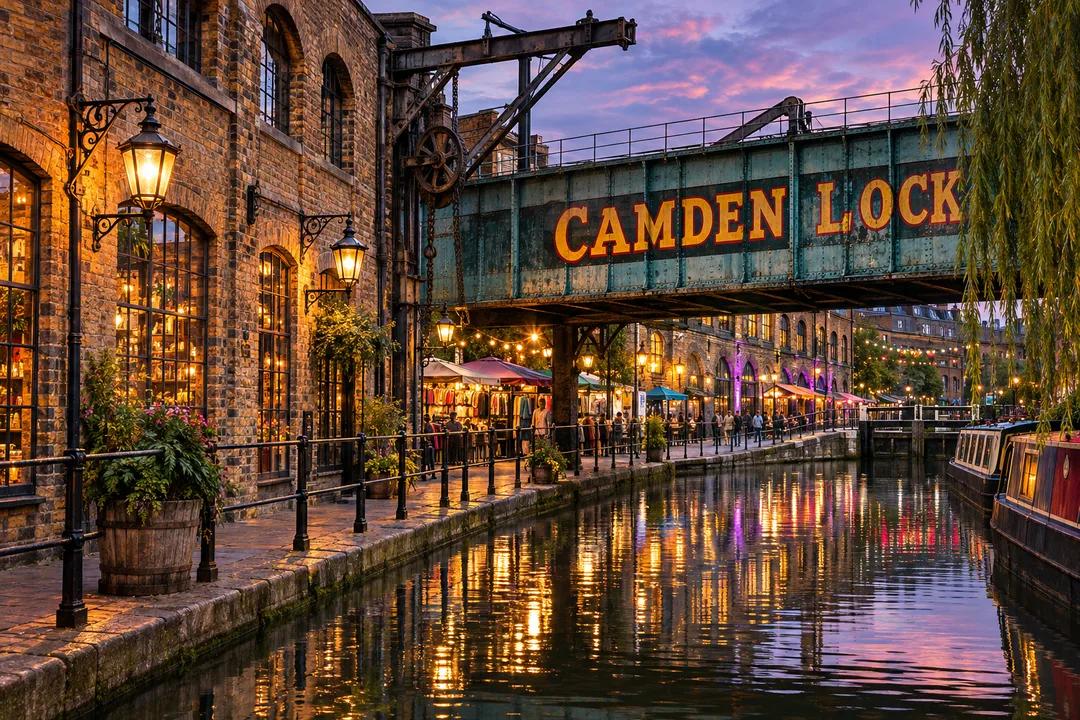
 Camden Korean BBQ Group Dinner Picker: Lockside Feasts
Restaurants
London Dinner Shortlist Builder: Keep a Clear Budget
Keep a London dinner shortlist within your own spending limit by separating food, drinks and extras, then comparing the costs that matter to your evening.
The awkward part of a dinner budget is often the moment everyone discovers they meant a different total. One person meant food, another included a drink, and someone else was saving room for dessert. For London plans, a dinner shortlist builder works better when the spending limit has a definition. Decide what your number includes before comparing restaurants. You can take that definition into Karpo APP and ask for ideas around it, then use the method below to judge whether a candidate actually suits your evening.
Write the number as a complete sentence
“I want to spend £35 altogether, including my meal and anything I drink” is an example of a useful personal limit. It is a planning figure supplied by the diner, not a restaurant price. Another person might mean £35 for food alone. Those two searches should produce different decisions. Write whether the amount applies per person or to the whole table, and whether travel is part of the same pot. You do not need an elaborate spreadsheet to remove this ambiguity.
For two people, a shared total can hide unequal expectations. One may want several courses while the other prefers a single main. Decide whether the budget is pooled or individual, and whether each person pays for what they order. A shortlist cannot settle that social question on its own. Resolving it early prevents an apparently affordable menu from becoming an uncomfortable bill. You can keep the discussion light by describing the meal you want within the limit rather than asking anyone to justify their finances.
Compare the dinner you would actually order
A low starting price tells you little if you would need several items to feel fed. Build a sample order from a candidate's available menu: the main dish, any side you consider necessary and the drink you intend to choose. Use only prices actually shown by the restaurant or its ordering information. When an amount is missing, leave the total incomplete. An invented estimate would make the comparison look tidier while making the decision less reliable.
Watch the difference between a main-course price and a complete meal price. A set meal may include things you do not want, while separate dishes may suit the table better. Neither format automatically offers better value. Compare the items you would enjoy eating, not the largest theoretical saving. A diner who wants one substantial plate should not feel obliged to buy a tasting experience because a headline suggests it is a deal. Keep appetite and ordering style beside the arithmetic.
Give extras their own place in the calculation
Read any stated service charge, minimum spend or required menu condition as part of the candidate's offer. These belong in the comparison when the restaurant supplies them. Do not assume a charge applies everywhere or assign a percentage from memory. A total with an identified charge and a total without that information are different levels of evidence. Write what is included so the group can see why one option remains unresolved rather than treating both figures as equally complete.
Drinks deserve a separate decision because people make different choices. A group average can make one person's dinner unexpectedly expensive when the bill is divided equally. Agree whether drinks are individual, shared or outside the meal budget. If you are keeping the evening modest, decide that before choosing a place whose main appeal is an extensive drinks list. The important question is whether the setting supports your intended meal without making the simplest order feel like an awkward compromise.
Ask for a shortlist with a spending explanation
An example request could say: “Help me plan a seated dinner in London around Angel. My personal ceiling is £35 including food and one drink. I prefer one filling main over several small plates. Suggest a short list and explain the available price evidence for the order I would need. Keep missing costs visible.” Adapt the area and amount to your circumstances. This gives Karpo a conversational brief, without implying there is a dedicated budget calculator or a guaranteed price match.
When reviewing suggestions, make three notes for each: the likely order, the documented costs and the unresolved costs. The first note protects the actual dinner, the second grounds the comparison, and the third tells you what work remains. If you already have a menu link, include it in your own review. Ask a narrower follow-up about one candidate if the initial response is too broad. You are looking for a reasoned comparison, not simply a collection of inexpensive-looking photographs.
Decide which tradeoff feels worthwhile
An option can fit the cash limit while costing too much of the evening. A long journey might be acceptable for a special meal but frustrating for a short weekday catch-up. Name the meeting area you prefer and the amount of travel you are willing to add. Keep this distinct from the food total unless you explicitly include fares. Otherwise you can end up comparing a local dinner with a distant destination as though only the menu price matters.
Value also depends on whether the meal suits the occasion. For a conversation with an old friend, a comfortable seated dinner may matter more than an extra course. For a hungry group after an activity, portion and ordering format may matter most. State the one thing you would protect if the budget tightens. That makes the shortlist resilient: you can change the less important details without losing the reason you wanted to meet in the first place.
Handle a shortlist that misses your limit
If every promising candidate exceeds the ceiling, change one assumption deliberately. You might narrow the meal to a main, move the meeting area, choose a different date or separate a later drink from dinner. Those are decisions for you and your companions. Do not quietly raise the budget in the comparison and call the result affordable. A useful follow-up to Karpo names the condition that may move and repeats the one that must stay fixed.
Keep the option of a simpler evening available without presenting it as a failure. A satisfying single-course meal can meet the purpose of a catch-up better than a complicated reservation. Equally, someone may prefer to postpone and save for the experience they want. The point of a spending limit is to support a choice you are comfortable making. It should not turn the shortlist into a competition over who can tolerate the smallest order or the least convenient journey.
Practical Notes before the table decides
Send the finalists with their sample orders and the cost information you actually have. Label your personal budget as your own example or agreed limit, and keep restaurant prices attached to their source. If the group plans separate bills or individual orders, make that expectation clear among yourselves. Any required arrangement with the restaurant is a separate step. A shortlist recommendation alone does not establish a payment policy, table availability or an accepted reservation.
Finish with one primary choice and one alternative that differs for a clear reason, such as a simpler order or a more convenient meeting area. Once the dinner is arranged, avoid adding an expensive second stop by default. Open Karpo APP with your defined ceiling and ask for dinner ideas that respect the evening you described. The useful result is a meal you want to eat at a total you understand, with enough clarity that nobody has to renegotiate the budget at the table.
Ask Karpo for more information.
Keep reading
- Camden Korean BBQ Group Dinner Picker: Lockside Feasts
 Holborn Korean BBQ Group Dinner Picker: Midtown Feasts
 Covent Garden Korean BBQ Group Dinner Picker: Shared Tables