 Camden Korean BBQ Group Dinner Picker: Lockside Feasts
Restaurants
London Dinner Shortlist Builder: Plan a Date Together
Choose a London date dinner around conversation, comfort and a shared idea of the evening, then narrow the options without turning the meal into a project.
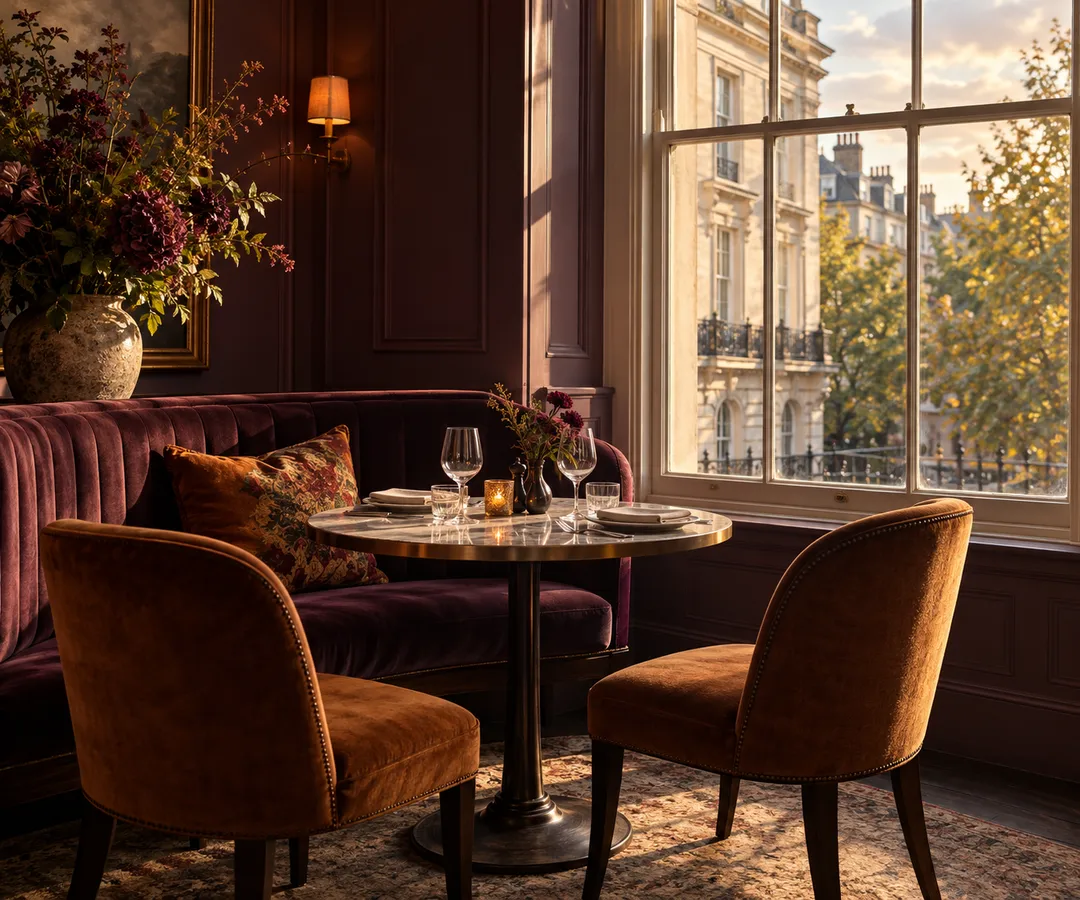
“Somewhere romantic” can send two people towards completely different dinners. One imagines a quiet corner and a long conversation; the other wants energy, unfamiliar food and a reason to dress up. A London dinner shortlist builder is more helpful when it starts with the evening you want to share. Use a few questions to turn the mood into criteria before asking Karpo APP for suggestions. You do not need to make the date clinical. You need enough agreement that the restaurant supports the company rather than becoming the evening's main negotiation.
What would make this feel like a date?
Ask for a scene rather than a category. Would you like to linger over one meal, try something neither of you knows, or enjoy a comfortable dinner after a busy week? Those answers describe different occasions. The word romantic alone leaves room for assumptions about music, lighting, price and formality. Choose two qualities that matter to you both. A conversation-focused evening might protect comfortable seating and a manageable journey, while a celebratory date might place more weight on the meal itself.
You can keep part of the choice a surprise while sharing the constraints. Ask whether there are foods to avoid, a spending level that feels comfortable and a time someone needs to leave. Then choose the details within those boundaries. A surprise works better when it removes effort for the other person without removing their say in the experience. There is no need to reveal every possible restaurant to establish that both people will be comfortable with the kind of evening being planned.
How much conversation do you want?
For a first date, easy conversation may be the strongest criterion. Consider whether you prefer a conventional table, a counter facing the room or a setting with something to talk about. Each arrangement changes how you share attention. A photograph can suggest a layout, but it cannot establish how loud the room will be during your meal. Use descriptions and images as starting evidence, and keep unproven claims about noise or privacy out of the reasons you treat as certain.
For an established couple, the priority might be a change of pace. You may want an unfamiliar menu after months of ordering the same thing, or an uncomplicated meal after a demanding day. Say which. Choosing an adventurous dinner because it sounds impressive can miss a partner's wish to relax. A small question about energy can be more useful than a long list of restaurants. The shortlist should respond to the evening you are actually available to enjoy.
Where should the evening begin and end?
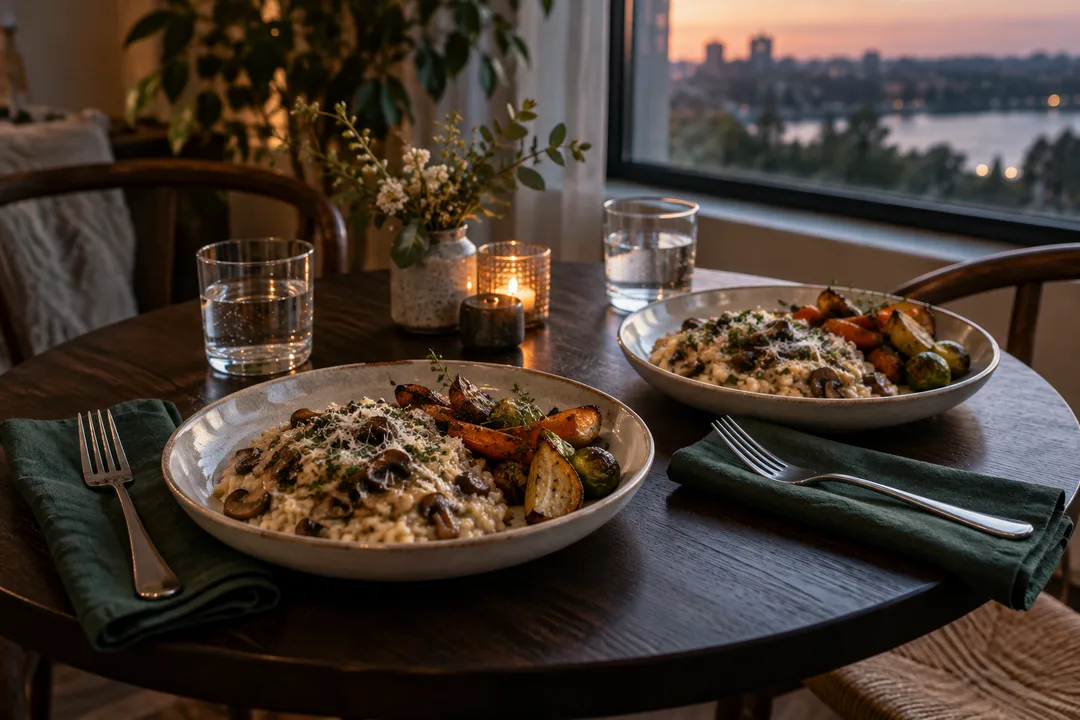
Agree on a meeting area that does not make one person carry the whole travel burden. An illustrative plan might centre on Marylebone because it fits both people's earlier commitments. Another couple might choose somewhere closer to home. Neither is inherently more appropriate for a date. Include how much walking feels comfortable, whether either person is carrying bags and what happens after dinner. The trip home belongs in the plan even if the restaurant is the only stop you intend to arrange.
Keep a walk optional unless walking is the point of the date. A meal followed by a short wander can be appealing, but rain, tiredness or an early departure should not make the evening feel unfinished. If you want a second stop, decide what it contributes: more conversation, a change of setting or simply a little time outdoors. Request ideas within your selected area rather than adding a distant attraction just because it looks attractive in a city guide.
What level of commitment feels right?
A date can be open-ended or have a natural finish. Discuss the shape before choosing an elaborate dinner. A single main course leaves a different amount of room in the evening from a long set menu. Someone meeting a new person may prefer a modest initial commitment with the option to continue. Someone celebrating an anniversary may enjoy protecting the whole evening. Neither person should have to infer the intended duration from how formal the restaurant appears in its photographs.
The same applies to spending. You can agree on a personal ceiling or a shared total without turning it into an accounting exercise. Describe what it includes, such as food and drinks, and decide how you intend to pay between yourselves. This page supplies no restaurant prices. Any number you put into the conversation is your planning limit until it is compared with documented menu information. A comfortable choice is one neither person needs to perform enthusiasm for while worrying about the bill.
How do you ask Karpo for useful options?
Use a request that connects the mood to practical criteria. For example: “We want a London date dinner around Marylebone. We care most about having a conversation and enjoying individual main courses. We prefer a relaxed evening over a formal multi-course meal. Help us shortlist three candidates and explain the reason each fits the brief. Keep details about seating, noise and availability separate when they are not established.” Add your food needs, spending expectations and actual date when you make the request.
Karpo's public introduction describes starting with your mood and working around a schedule. Use that conversational starting point to explain your preferences, then evaluate the suggestions yourself. The phrase dinner shortlist builder describes the task you are trying to complete here. It does not imply a separate feature with that name or a dedicated date-planning screen. You can refine the conversation by saying which suggestion feels closest and what still misses the mood, without assuming a particular interface or output format.
What should decide between the finalists?
Reduce the first response to two plausible choices. Give each a single sentence explaining its strongest connection to the shared brief, then list any unresolved practical detail. If one option has a more appealing menu and another requires less travel, discuss that actual difference. Avoid adding vague scores for romance or claims that a room guarantees chemistry. A shortlist can help choose surroundings. Whether the date feels good depends on the people, and no recommendation can settle that in advance.
If neither option feels right, identify what the response misunderstood before requesting more. Perhaps relaxed was interpreted as casual counter dining, while you meant a table without a dressy atmosphere. Perhaps adventurous food mattered less than you first thought. Naming that difference helps the next request. Asking for ten more options without changing the brief usually leaves you with more of the same uncertainty. A useful follow-up preserves the agreed constraints and changes the description that proved too vague.
Practical Notes when you make the choice
Once you choose a candidate, handle any table request separately and keep its acknowledgement with the plan. A suggestion in Karpo APP does not hold seats. Make the date, party size and any essential accommodation clear in the arrangement with the restaurant. Tell your companion where to meet and what sort of evening you have planned. You can preserve the surprise of the menu or room without leaving them unsure about timing, clothing or whether they should eat something beforehand.
Return to the two qualities you chose at the start if the final decision feels difficult. Would this option let you have the conversation, share the new experience or enjoy the easy evening you wanted? If the answer is clear, stop collecting alternatives. Open Karpo APP with a mood both people recognise and a few practical boundaries. The result you need is a thoughtful dinner plan that leaves attention for the person across the table, with optional room for the evening to unfold naturally.
Ask Karpo for more information.
Keep reading
- Camden Korean BBQ Group Dinner Picker: Lockside Feasts
 Holborn Korean BBQ Group Dinner Picker: Midtown Feasts
 Covent Garden Korean BBQ Group Dinner Picker: Shared Tables