 Clapham Weekend Brunch Planner: Parkside Morning Cafes
Restaurants

London Dinner Reservation Finder: Shoreditch at Short Notice
Find a Shoreditch dinner for a last-minute catch-up by agreeing on party size, flexible timing, and a fallback before completing a restaurant reservation.
For a last-minute Shoreditch dinner, decide what can move before chasing a specific table. Your arrival time, the distance you are willing to travel, and the size of your party matter more than an enormous restaurant list. Use a London dinner reservation finder to narrow the decision, then complete the selected restaurant's booking process. In Karpo APP, ask for dinner suggestions suited to an informal East London catch-up. Describe the mood, the time you have, and the details you are flexible about so the request has something concrete to work with.
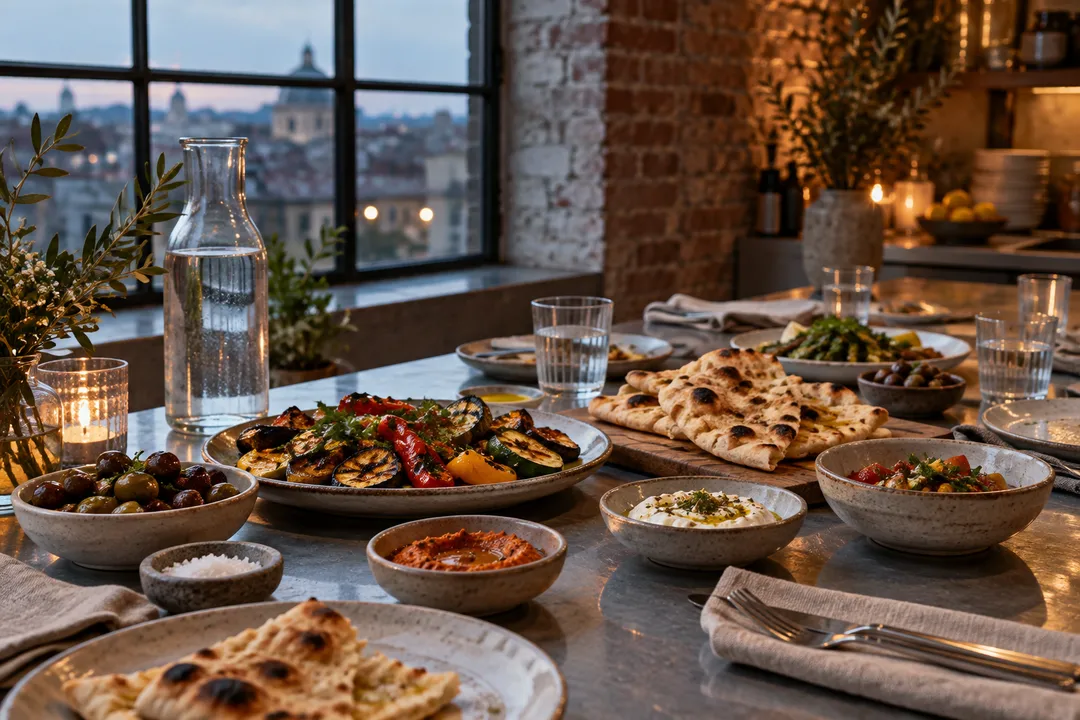
Start with the people who are actually coming
A spontaneous meal often stalls because the organiser searches for a party that does not yet exist. Get a firm number from the friends who can join and choose someone to make the decision. If an extra person might come later, keep that uncertainty explicit. A table booked for four cannot simply be assumed to accommodate five. Ask the restaurant about a change through its stated contact route. You will make a better last-minute choice with one reliable party size than with a dozen exciting suggestions and no agreement about who is eating.
Pick the flexible variable
Write three words on your own shortlist: time, place, food. Choose which of those can change first. If everyone is hungry and already in Shoreditch, moving the location substantially may be a poor trade. If a particular cuisine is the reason for meeting, shifting the meal earlier or later may be easier. There is no universal answer. The useful part is agreeing on the order before disappointment arrives. That prevents one unavailable table from turning into another round of contradictory suggestions in the group conversation.
Give Karpo an informal but complete brief
You could ask: “We are four friends looking for an easy dinner around Shoreditch tonight. We want to share food and talk, with no formal tasting menu. Suggest a few directions near where we are meeting, and explain which suits a casual catch-up.” Add the actual date, food restrictions, and walking limit. Karpo's public site presents the assistant as a place to express a mood and ask for a night-out idea. The dinner reply is a starting point for choosing a venue, rather than evidence that a particular table is being held.
Recognise different ways of getting a seat
A restaurant that takes reservations, a counter that accepts walk-ins, and a bar with food involve different decisions. Do not rank them as if each offered the same certainty. A walk-in can suit a flexible pair, but a larger group may prefer an accepted reservation even if the menu is less adventurous. Find out which service model a candidate actually uses from its own information. If there is a waitlist, joining it is a separate action from making a reservation. Plan around the status you really have rather than the status you hope for.
Keep the shortlist small enough to decide
Three well-understood possibilities are usually easier to compare than a long stream of names. Give each one a job: the closest option, the strongest food match, and the easiest alternative if the first two fail. Then choose which trade-off you prefer. You can ask Karpo to explain the differences in ordinary language, but you should still use each restaurant's menu and booking route for specific conditions. If every suggestion requires the same unavailable time, ask a different question rather than extending the list with more versions of the same problem.
Separate a shared menu from shared tastes
Sharing plates can make an informal evening feel sociable, but the group still needs enough food each person can eat. Ask friends about vegetarian requirements, allergies, and any ingredient they strongly avoid before choosing. Consider whether the menu lets someone order independently without making the meal awkward. If a dish is central to why you picked a restaurant, use its current published menu to establish that it is offered. Do not infer tonight's availability from an old photograph or assume a recommendation includes a kitchen's agreement to adapt a dish.
Make the budget understandable
“Somewhere affordable” means different things to different friends. Decide whether your limit covers just food or the whole meal, and whether drinks are part of the plan. Put that distinction in the query. When looking at an actual menu, consider how many dishes your party would order and which charges the venue displays. Avoid building the evening around a price you have only seen in an unsourced search summary. Your own target can be approximate, but a restaurant price presented to the group should be grounded in the restaurant's information.
Use the meeting point to limit wandering
Choose a specific meeting point before everyone starts walking in different directions. Brick Lane and Spitalfields can help orient a broader East London plan, but they are not interchangeable addresses for an actual booking. Once the venue is selected, send the real location and arrival instructions to the group. A last-minute dinner becomes tiring when each new possibility adds another unnecessary walk. If the party is already together, agree on a modest route boundary and make the next choice inside it instead of chasing an ever more distant recommendation.
Treat booking checkout as a real commitment
When an acceptable reservation appears on the provider's page, read the date, time, number of guests, and seating category carefully. Continue through any required steps until you receive acceptance, then stop treating the table as merely a candidate. Share the accepted details with everyone and close the redundant searches. If you choose to cancel another reservation, use its actual cancellation process. Quietly abandoning a table is a poor way to preserve flexibility. A spontaneous evening can still be considerate of the people preparing to host it.
Know when to change the meal rather than the night
If the only remaining choices require a formal menu the group does not want, change the service style. A simple dinner with room for conversation may meet the original goal better than the most impressive late opening. Ask for a counter-service direction, an earlier eating plan, or a different cuisine within the chosen area. Set the fallback before the group gets exhausted. Skip a speculative trek to a venue whose entry policy you do not understand: spontaneity is more enjoyable when it does not depend on every uncertain detail going your way.
Practical Notes for the group organiser
Save one final message with the restaurant, accepted reservation status, arrival time, party size, and the person responsible for changes. Include the fallback only if it is still relevant. Keep the provider's booking reference available without distributing private payment details to the whole chat. Karpo APP can be the place you frame and refine the dinner request, while the venue's response establishes the reservation itself. Once those parts are settled, stop searching. The point of a Shoreditch catch-up is spending the evening together, not continuing to compare restaurants after you have found a workable one.
Ask Karpo for more information.
Keep reading
- Clapham Weekend Brunch Planner: Parkside Morning Cafes
 Hackney Weekend Brunch Planner: Canalside Roastery Tables
 Soho Weekend Brunch Planner: Historic Townhouse Tables