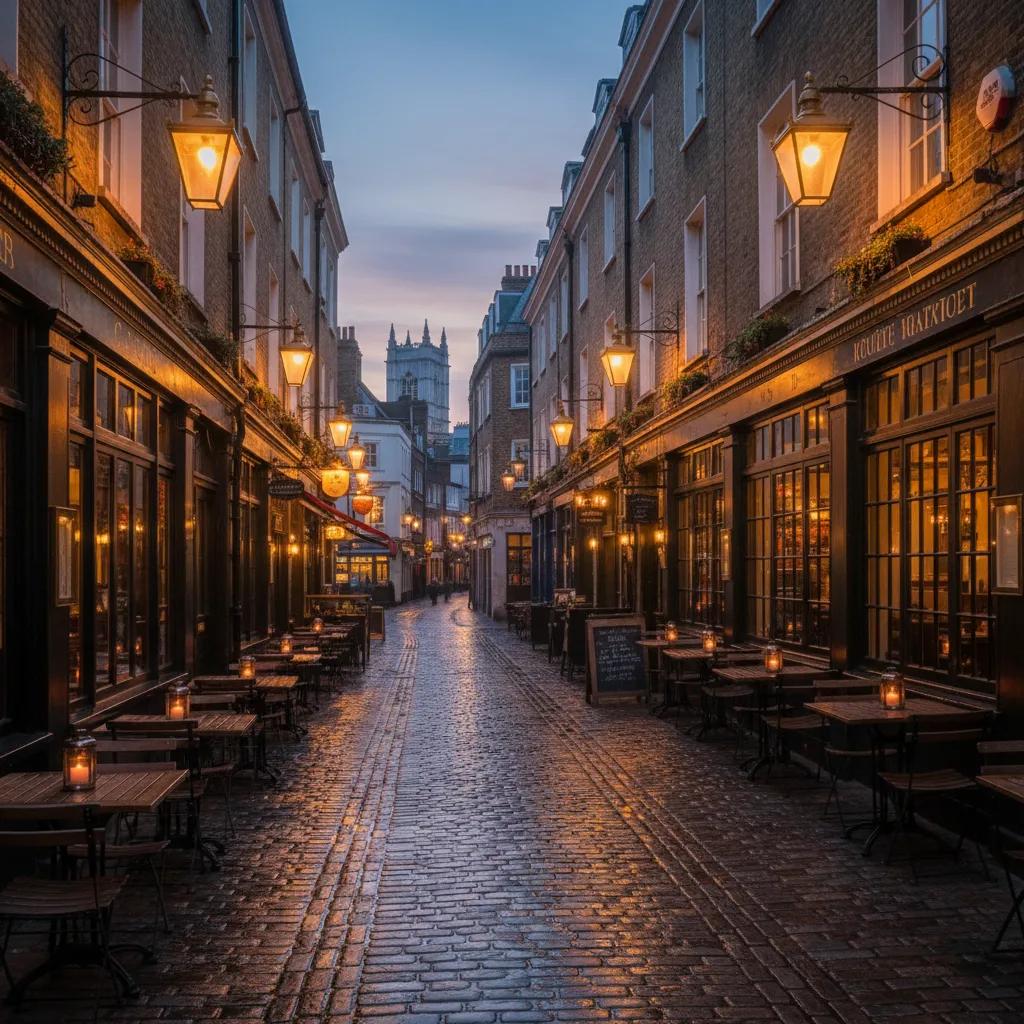
 Covent Garden Korean BBQ Group Dinner Picker: Shared Tables
Restaurants
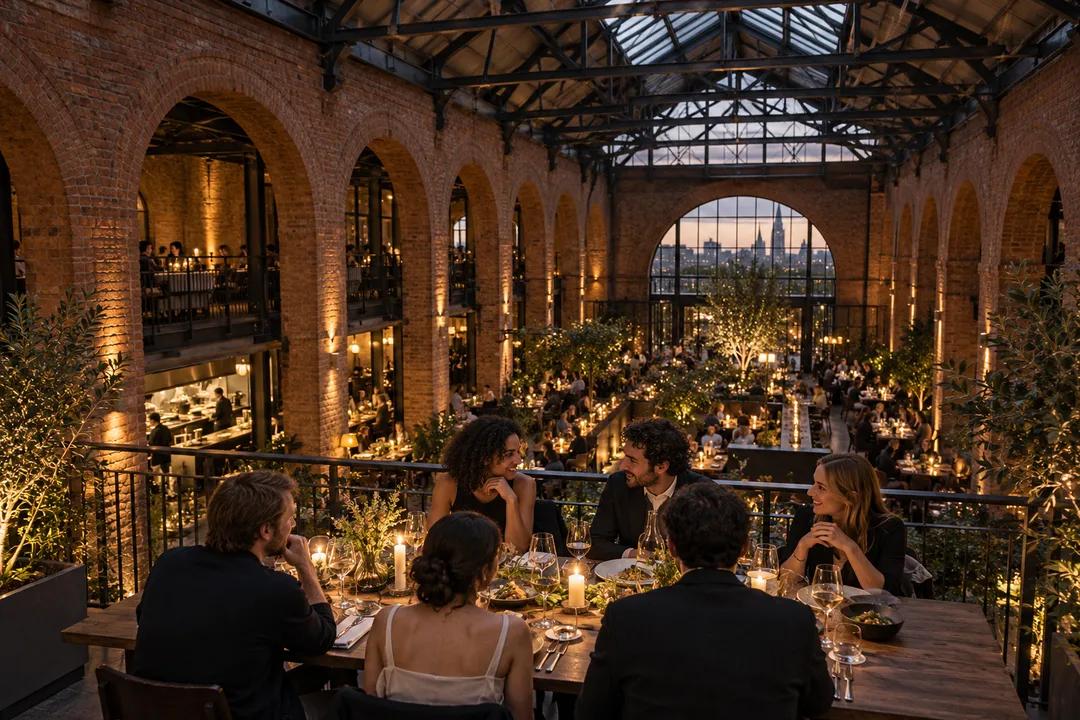
London Dinner Reservation Finder: Six Seats at King’s Cross
Organise a six-person dinner near King’s Cross by aligning diets, arrival plans, and shared costs, then complete one restaurant reservation for the group.
For a six-person dinner near King's Cross, settle the group's requirements before picking a restaurant. The useful job of a London dinner reservation finder is to turn six sets of preferences into a decision somebody can book. Ask Karpo APP for dinner ideas with the guest count, meeting area, mood, and timing in the same message. Then take your chosen option through the restaurant's reservation process. Keep one organiser responsible for that final step so a promising suggestion becomes one accepted booking, rather than several people making overlapping enquiries for the same evening.
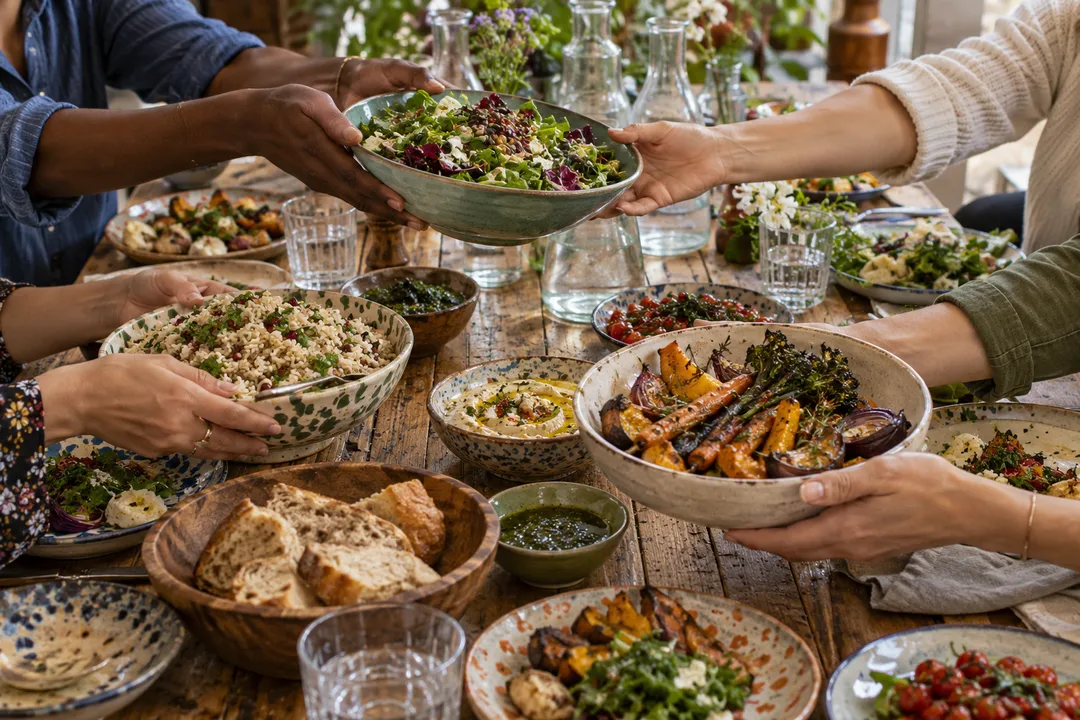
Establish the number that will sit down
Ask each person for a definite answer before choosing a reservation size. “Possibly six” is a planning uncertainty, not a table category. If the number remains unsettled, decide when you will stop waiting for replies and make the call. Include everyone who needs a seat in the request, and read how the restaurant handles changes in group size. A larger table may involve different menus or conditions from a pair's booking. Treat those conditions as part of the offer you are considering, rather than assuming you can add or remove diners without consequence.
Gather requirements without creating a ballot
Ask friends for constraints, not a list of dream restaurants. Dietary restrictions, a spending ceiling, the earliest arrival, and a firm departure matter to whether a place works. A mild preference for one cuisine can be considered after those needs are understood. Send one short message collecting the essentials and give the group a reply deadline. You are trying to find a dinner everybody can enjoy, not maximise six separate rankings. A clear process makes it easier for quieter members of the group to communicate a need before the loudest preference becomes the plan.
Give the search one person to help
Use a request such as: “Dinner ideas near King's Cross for six friends meeting after work. We need vegetarian options, a table where we can talk, and an uncomplicated journey from the station area. Suggest a few possibilities and explain the practical differences. One person needs to leave earlier.” Add the actual date and budget. Karpo's public introduction invites a mood-based conversation and shows a schedule-based option. This is a way to prepare a shortlist with context; it does not mean six seats have been held or that a restaurant has accepted every requirement.
Make the meeting geography fair
King's Cross may be convenient as a common meeting area, but each diner can arrive from a different direction. Choose a precise meeting point and an understandable walk to the actual restaurant. Granary Square and Coal Drops Yard can help orient the conversation about the area, without substituting for the address of the place you book. Consider anyone carrying luggage or needing a shorter route. The organiser should send the chosen location once, clearly, rather than letting different friends navigate to different branches of a brand or different entrances in the same district.
Compare menus at the group scale
A menu that looks appealing to one person may create problems for six. Read whether everyone orders individually, the table shares dishes, or a set menu applies to the booked experience. Think about people with different appetites and whether a diner can participate without repeatedly explaining an exception. For allergies, communicate the precise requirement directly to the venue. If the group wants to share, establish how you will handle dishes that some people cannot eat. Do that before reserving a menu built around communal plates, rather than discovering the mismatch when the first course arrives.
Ask about the table rather than its appearance
Six seats in one continuous group matter more than a photograph of a beautiful dining room. During booking, read whether you are selecting a shared table, counter experience, separate tables, or a particular room category. If the description is unclear, use the restaurant's contact route before making the plan dependent on it. A preference written in a request box does not override the seating category you have bought or reserved. Choose the option based on what the venue actually offers, and keep any additional request separate from the arrangement everyone is relying on.
Agree on money before someone prepays
The person making the reservation should not be left to absorb an unexpected deposit for five other people. Read any payment and cancellation conditions, tell the group what commitment is involved, and agree how shared costs will be handled before proceeding. A spending target in a search prompt is your instruction, not a venue quotation. For actual prices, use the restaurant's menu or booking offer with the relevant inclusions. Also ask friends whether they expect an even split or itemised payment. Neither approach is automatically fair when drinks and diets differ substantially.
Choose a time that survives one delay
A six-person plan needs more than the most popular hour. Work out when most of the group can realistically reach the restaurant, and communicate a firm arrival target. If one person may arrive later, ask the venue how it handles an incomplete party rather than assuming service begins regardless. Keep the earliest departure visible as well. That diner may prefer a simpler meal or a seat that makes leaving less disruptive. The group can adapt around a known constraint much more easily than around a surprise announced after everyone has committed to a long menu.
Reduce the choice to a useful decision
After gathering suggestions, present two possibilities with different advantages. One might have the clearest route; another might better match the group's food preferences. Explain the relevant booking terms alongside those differences. Give friends a defined chance to flag a hard problem, then let the organiser choose. Avoid repeatedly opening the decision because somebody has found another attractive photograph. A workable dinner does not become worse when another restaurant exists. The purpose of the comparison is to identify a good group fit and move towards the meal, not maintain a permanent search.
Keep the fallback coordinated
If the first reservation cannot be obtained, change one major condition at a time. Move the hour, consider a different service style, or expand the area with the group informed. Do not divide the party across two restaurants simply to preserve a particular cuisine unless everyone actually wants that outcome. Ask Karpo for another dinner idea with the revised constraint stated clearly. Before making a replacement booking, resolve the status of any previous reservation or enquiry so the organiser knows which commitment remains active and which terms may still apply to it.
Practical Notes for a shared evening
Once the booking is accepted, send a concise final message with the restaurant, arrival time, guest count, payment arrangement, and contact person for changes. Keep the provider's original confirmation and any acknowledged dietary or seating requirements accessible to the organiser. If someone withdraws, use the restaurant's stated process and tell the group about any consequence rather than quietly changing the headcount. Then stop collecting alternatives. A six-person King's Cross dinner succeeds when the practical work is settled early enough for everyone, including the person who organised it, to enjoy being at the table.
Ask Karpo for more information.
Keep reading
- Covent Garden Korean BBQ Group Dinner Picker: Shared Tables
 New Malden Korean BBQ Group Dinner Picker: Table Grills
 Soho Korean BBQ Group Dinner Picker: Evening Feasts