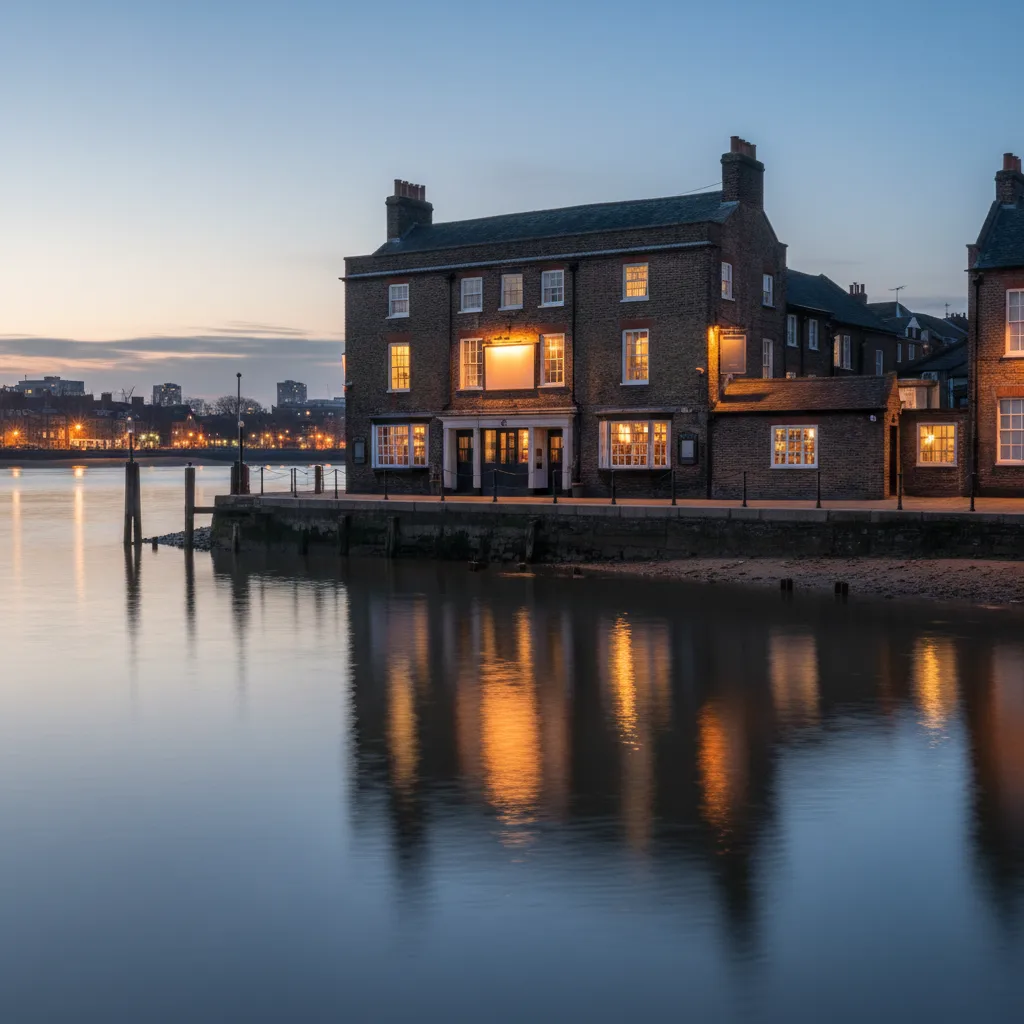
 Greenwich Blues Bar Night Picker: River Stages After Dusk
Bars & Nights Out

London Date Night Plan Builder for Two Different Interests
Combine two interests in a London evening by choosing a shared anchor, balancing each person’s priorities and keeping the optional stop easy to enjoy.
One of you wants art and the other would happily spend the evening talking over food. That difference can become the starting point for a London date night plan builder, rather than a problem to settle before you ask for ideas. Build a shared brief around the experience each person hopes to have. The aim is a date where both can participate willingly, with enough time to notice what the other enjoys and enough flexibility to leave out a poor fit.
Translate interests into experiences
An interest label often hides the useful part. Someone who says they like galleries might enjoy looking quietly, learning a story or discussing visual ideas. A food enthusiast might care about unfamiliar flavours, the ritual of a long meal or simply a comfortable table. Ask each other what makes the interest enjoyable. This can reveal an overlap that broad categories miss. Two people who both like discovering something unfamiliar may agree easily on a plan, even when their usual hobbies differ.
Write one desired experience and one limit for each person. For example, one might want time to look around without a tour, while the other wants a proper meal without a formal atmosphere. Keep those statements equally specific. A detailed request from one person and a vague “anything is fine” from the other can produce a plan that quietly reflects only the more vocal partner. The limits should also be respected equally, whether they concern spending, noise, walking or duration.
Find a shared anchor before splitting the evening
Look for something both people can enjoy together before assigning one stop to each interest. That anchor may be a meal, a neighbourhood walk or a shared activity that neither has tried. It gives the date a common centre. Without it, the evening can become an exchange of obligations, with one person waiting through each half. You can still introduce each other's interests, but the plan should offer more than a promise that everyone gets a turn.
Consider how much explanation the shared anchor needs. It is generous to introduce someone to an interest, but less enjoyable to discover that the entire date is an unsolicited lesson. Ask whether your partner wants background or would prefer to explore independently. Build that preference into the shape of the outing. An absorbing experience can remain welcoming when neither person has to perform expertise, understand every reference or agree with the other's taste to participate.

Ask for a combination with a reason
In Karpo APP, start with the disagreement itself: “We are planning an evening in London. One of us enjoys looking at art, the other cares most about an informal meal. Help us consider a shared anchor and one optional addition that connects these interests. Keep the travel compact and explain why the combination fits.” Add your meeting area and personal constraints. This is a way to frame a conversational request, rather than a promise of automatic coordination between two app accounts.
Ask for a small number of combinations with different priorities. One might place the cultural interest first and keep dinner simple, while another could make the meal the highlight and add a short visual stop. Read the explanation, then choose which tradeoff feels fair. A list of unrelated places leaves the coordination work untouched. The useful output is a relationship between the parts: why you would do them in that order and what either person gains from the sequence.
Match the time commitment to enthusiasm
Equal consideration does not require equal minutes. A person may be happy to spend a short period on an unfamiliar interest and a longer period on something both enjoy. Agree on that honestly. Keep the first visit modest if neither knows how the other will respond. A compact introduction can create curiosity for another date. An overly ambitious first attempt can make an appealing interest feel exhausting, even when the original intention was to share something meaningful.
The more specialised stop deserves practical attention. Look at how participation works, whether you can leave at your chosen point and whether advance payment creates an obligation. Those details can change the fairness of the proposal. An optional stop that is already paid for may not feel optional to your partner. Keep recommendations and reservations distinct, and take any required commitment through the provider's actual booking process once you have both agreed to the plan.
Use London geography to reduce negotiation
Set a common meeting area based on where you will actually arrive. A plan around the West End may suit one evening, while a starting point in east London may suit another. These are area choices, rather than evidence that a particular combination is available nearby. Ask for the shortest useful sequence within the chosen area. You can widen the search deliberately if necessary, with both people aware that more travel will use time otherwise spent together.
Discuss movement preferences before the route grows. One person may enjoy walking between stops as part of the date, while the other sees it as travel to minimise. Neither is wrong. A maximum walking duration or a preference for seated breaks gives the request something concrete to work with. If a proposed connection is inconvenient, change that connection first. You may be able to preserve both interests by moving one stop rather than abandoning the whole idea.
Make room for different reactions
During the date, avoid asking your partner to validate your favourite interest immediately. They might enjoy the time together without sharing your enthusiasm for the subject. Ask what caught their attention instead of whether they loved it. That invites an honest response and can produce a more interesting conversation. If a stop falls flat, move on kindly. The evening is still yours to shape, and one disappointing element does not need to decide the mood of everything that follows.
Finish the planning conversation with a brief that names the shared anchor, the optional addition, each person's essential requirement and the agreed finish. Include dietary or access needs where relevant and identify who will handle any tickets or table booking. Then open Karpo APP with that brief to begin exploring possibilities. The value of combining interests is the chance to experience a little of each other's attention, while making a London evening that both people are actively choosing.
Ask Karpo for more information.
Keep reading
- Greenwich Blues Bar Night Picker: River Stages After Dusk
 Shoreditch Blues Bar Night Picker: East End Brick Stages
 Brixton Blues Bar Night Picker: Soulful South Stage Sets