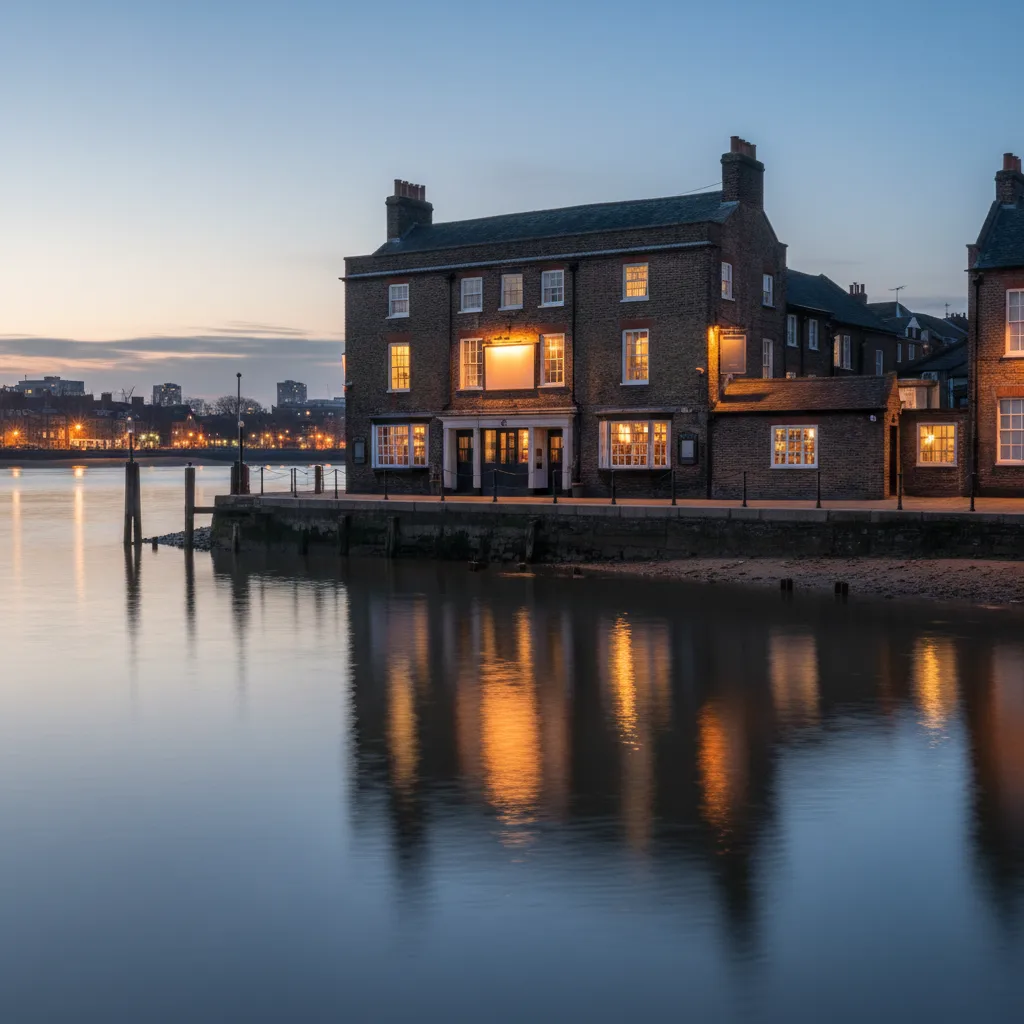
 Greenwich Blues Bar Night Picker: River Stages After Dusk
Bars & Nights Out
London Date Night Plan Builder: Quiet or Lively?
Build a London date night around quiet conversation or shared energy, then compare travel, timing and commitment before choosing an evening together.
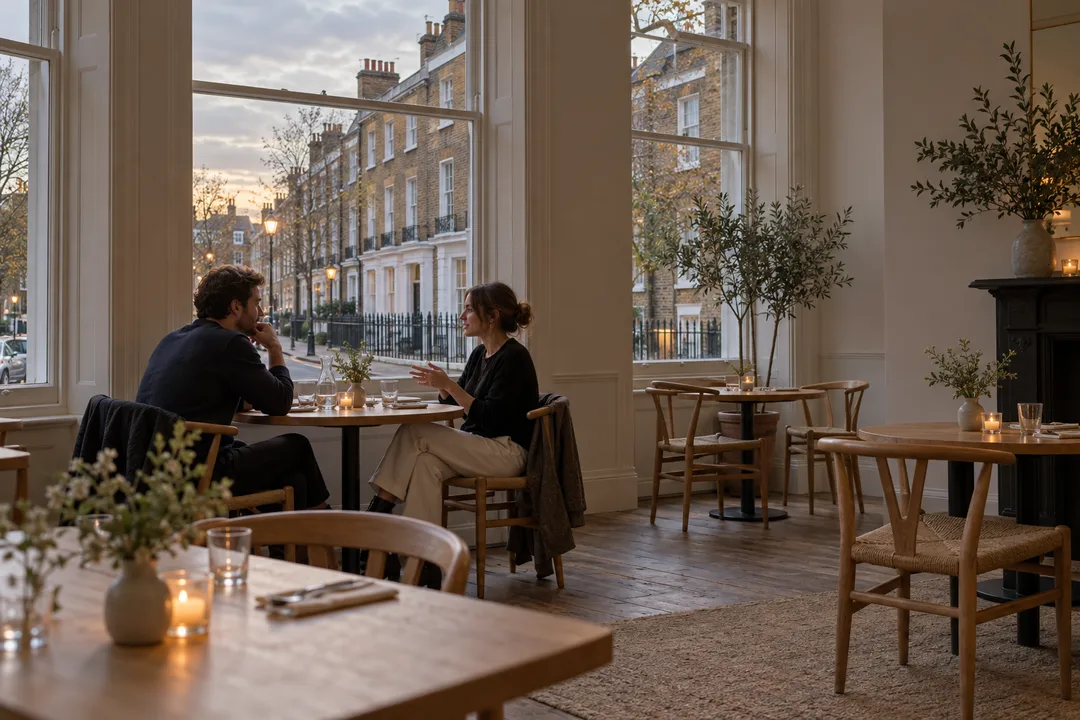
A London date night plan builder starts with a choice that most lists leave until too late: do you want to hear each other easily, or do you want the room to supply some of the energy? Those are different evenings, even when both include dinner. Use this page to turn that decision into a clear request for Karpo APP. Begin with your actual starting area and compare two small plans before choosing an atmosphere.
Describe the conversation you want
Quiet is a useful starting word, but it needs an explanation. You might mean a seated meal with no performance, somewhere that does not require shouting, or a place where you can take your time over one course. Say which matters. A room can look intimate in a photograph while feeling completely wrong for a long conversation. Frame your request around what you want to do together, rather than asking for a decorative style and hoping the experience follows.
For the energetic version, name the kind of participation you enjoy. Listening to music, dancing, playing a casual game and eating in a busy room place different demands on attention. If one person wants to talk about their week, an uninterrupted show could become an obstacle. If both arrive tired of making conversation at work, a shared activity might be welcome. Give each person one sentence to describe a good evening, then keep both sentences in the planning brief.
Make the comparison fair
Choose a single starting point before comparing moods. Someone leaving work in the City and someone arriving from west London may have very different journeys. Use the same meeting area, spending ceiling and finish time for both proposals. Otherwise, a calm local option is being compared with an ambitious cross-city outing, and the result tells you more about travel tolerance than atmosphere. You can widen the area later if neither direction produces an appealing choice.
A useful comparison request reads: “We are meeting in London after work and deciding between a conversation-led evening and a more energetic activity. Start from our meeting area. Keep both suggestions within the same total budget and return-home deadline. Give us one main stop for each, with a short explanation of the tradeoff.” Add the neighbourhood and your own limits. These are instructions you can take into the Karpo APP conversation, rather than names of filters or buttons you must find.
Give quiet an actual shape
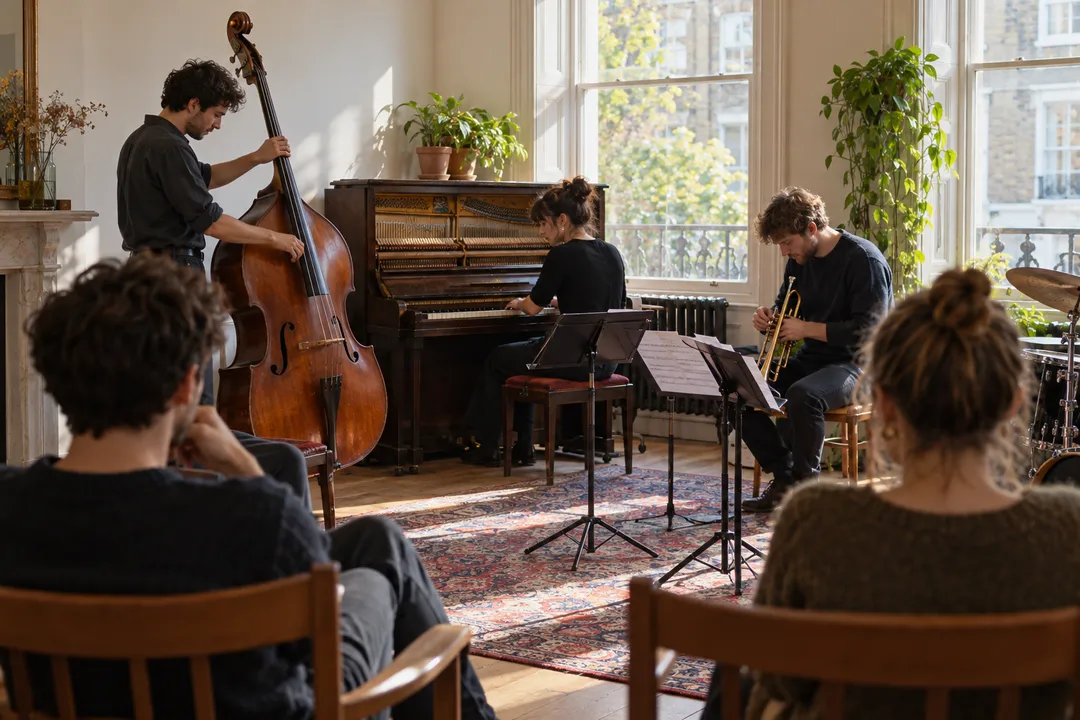
Build the quieter proposal around a seated anchor and an optional change of scene. Dinner followed by a brief walk is a different promise from dinner followed by another long sit. Ask for the anchor to stand on its own, so the evening still feels complete if you decide to leave afterwards. If you would prefer tea or dessert to a meal, say that directly. The important constraint is the amount of conversation time, rather than a conventional sequence of drinks and dinner.
Make sensory preferences concrete without treating them as guaranteed venue facts. You can request a shortlist that prioritises separation between tables, minimal background entertainment and somewhere to sit. Describe access needs separately, including stairs, hearing support or a maximum walking distance. A recommendation still needs enough supporting information for you to judge those needs. An appealing phrase such as cosy should never substitute for the detail that determines whether the evening is usable for either person.
Give lively a sensible rhythm
An energetic plan benefits from one clear highlight. It might revolve around a performance, a participatory activity or a busier meal, with food placed around that anchor. Avoid asking for every exciting thing in the same evening. A date that starts with a rushed meal, continues with an activity and ends with a distant second booking can spend its best moments in transit. Ask which part deserves your attention and which additional stop can disappear without damaging the plan.
Decide where conversation fits in the lively option. A short meal before an activity gives you a chance to settle in together. A seated pause afterwards lets you talk about what you just experienced. Neither is automatically better. For a couple who already know each other well, sharing an absorbing experience may be the entire point. For people still discovering each other's interests, some unstructured time can matter more than fitting in a second headline activity.
Compare the friction alongside the mood
Read each proposed plan for hidden effort. Count changes of location, fixed arrival commitments, outdoor stretches and decisions you would have to make during the date. A plan with two nearby stops can feel easier than a single destination reached through a complicated journey. Keep walking limits in ordinary terms you both understand. If a route estimate appears, treat it as a planning input rather than a promise about the pace you will manage together.
Look for the weakest assumption in each option. The quiet proposal may depend on a particular seating arrangement, while the lively proposal may depend on a timed event. Ask for that dependency to be stated plainly. Then decide whether you want to organise around it. A suggested place, a proposed route and a completed reservation are separate things. Purchase or booking confirmation comes from the relevant provider, so settle any commitment through its actual process before telling your partner that it is arranged.
Resolve the disagreement with one small revision
If you disagree, change the smallest part first. Keep the calm dinner but add a brief activity afterwards, or keep the lively anchor and remove the extra venue. This preserves the part each person valued. Avoid blending both drafts into an exhausting compromise with twice as many stops. A useful follow-up request identifies the exact mismatch: “Keep the shared activity, but give us more space to talk before it and remove the late finish.” That gives the next revision a clear purpose.
Before leaving, send each other a short version containing the meeting point, the main idea, the agreed budget and where the evening can end. Practical notes should also cover food restrictions, clothing needed for the chosen activity and responsibility for any booking. The final decision can be as simple as choosing calm tonight and saving the energetic idea for another occasion. Open Karpo APP with the comparison brief when you are ready to turn two different moods into one manageable London evening.
Ask Karpo for more information.
Keep reading
- Greenwich Blues Bar Night Picker: River Stages After Dusk
 Shoreditch Blues Bar Night Picker: East End Brick Stages
 Brixton Blues Bar Night Picker: Soulful South Stage Sets