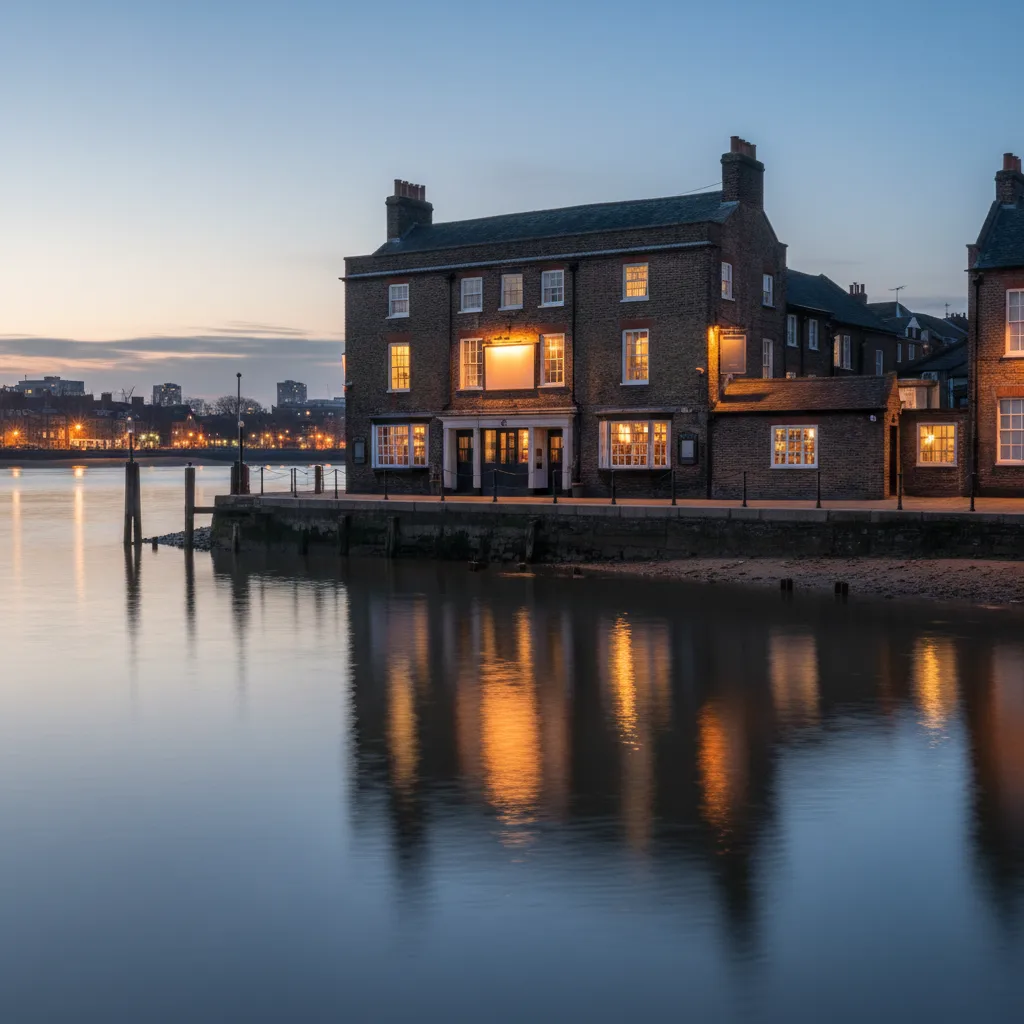
 Greenwich Blues Bar Night Picker: River Stages After Dusk
Bars & Nights Out
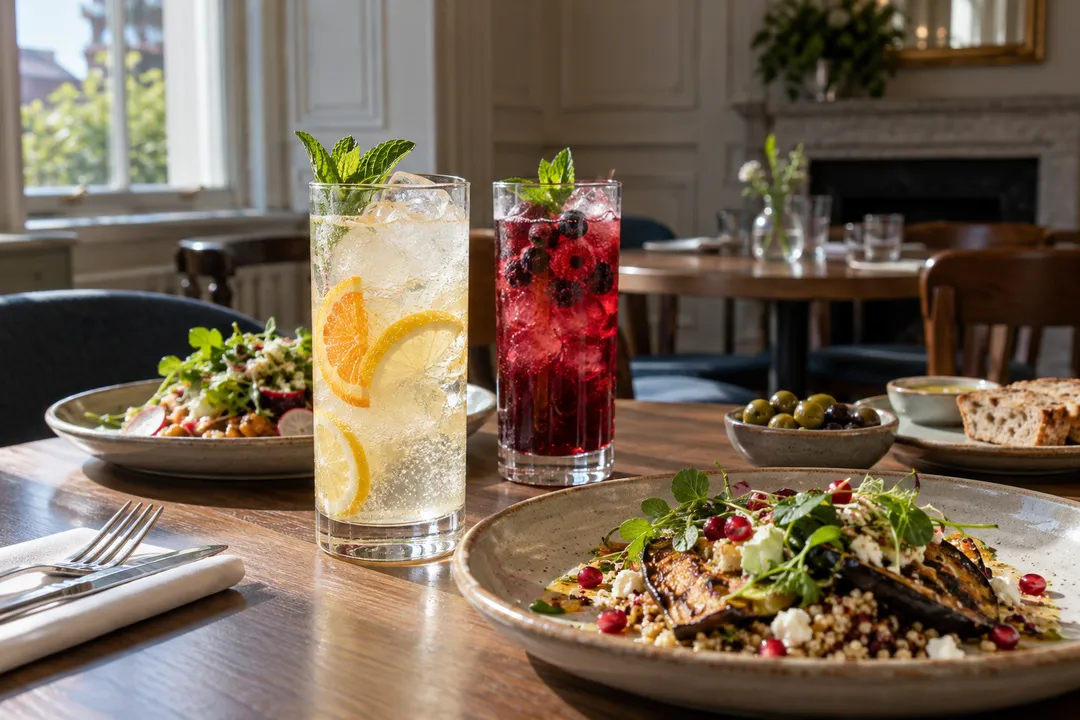
London Date Night Plan Builder: Three Alcohol Free Stops
Create an alcohol-free London evening around food, a shared activity and an optional treat, with a compact route and room to skip the final stop.
An alcohol-free evening deserves a plan with its own momentum. It can begin with food, move into a shared interest and finish with something sweet, without treating every stop as a search for a substitute cocktail. Use a London date night plan builder to describe what you want to experience together, how much movement feels comfortable and which stop matters most. The result should make skipping alcohol feel ordinary, with the evening organised around your enjoyment.
Decide what alcohol-free means for this date
Start by distinguishing personal preference from a requirement that affects the setting. One person may simply want a soft drink alongside dinner, while another may prefer a venue where drinking is not central to the experience. Some people also care about the ingredients or production of drinks described as alcohol-free. State the requirement in your own terms. The planning brief should reflect what you will actually be comfortable ordering, rather than assuming that a marketing label settles every question.
You can make the boundary clear without sharing a reason. Perhaps you want tea, coffee, fruit-based drinks or water with food. Perhaps you would rather choose activities where drinks are incidental. Tell your date the preference early enough that they can participate in the plan. If a particular ingredient matters, use the item's published details or the provider's answer when deciding. A general recommendation for a place does not establish the composition of everything on its menu.
Give three possible stops different jobs
Think of the evening as a sequence with separate purposes. Food can provide a comfortable start, an activity can give you something to share, and a final seated pause can leave space for conversation. You do not have to complete all three. Decide which is the anchor and which are optional additions. A satisfying two-stop version is more useful than a three-stop route that only works if every journey and every service interaction happens at an ideal pace.
Choose the order according to appetite and attention. If one person arrives hungry from work, delaying food for an activity could make the first hour harder than it needs to be. If a particular event is the main reason for meeting, place the meal around its actual schedule. If your goal is simply to reconnect, two unhurried seated stops might work better than an organised activity. Build the sequence from those needs before adding attractive venue names.

Start the request with an evening brief
A useful message for Karpo APP is: “We want an alcohol-free London evening with food, something to do together and an optional final treat. Please suggest a compact sequence around our meeting area. Drinking should not be the focus. Our priorities are these interests, this walking limit and this finish time.” Replace the placeholders with your details. You are asking for ideas through conversation, rather than relying on an assumed alcohol-free switch or a guaranteed three-stop itinerary feature.
Include the type of food and activity you would enjoy. A request for alcohol-free options alone can leave the rest of the date undefined. Say whether you prefer a substantial meal or a small bite, whether the activity should involve moving around, and whether you want quiet conversation at the end. Those details create an evening with a positive identity. They also give you a useful basis for rejecting a suggestion that fits the drinking preference but misses the rest.
Keep the middle stop from taking over
The middle activity should create connection rather than become a logistical test. Consider how much concentration, physical effort or competition you both want. Someone who enjoys learning a new skill may welcome a structured session. Someone hoping for an easy catch-up may prefer something you can observe at your own pace. Name that difference in the request. You can be adventurous without making the date depend on one person's confidence in an unfamiliar setting.
If the activity has a fixed start, give it the strongest place in the schedule and leave breathing room before it. If it has no fixed start, allow yourselves to decide how long to stay. Read the provider's actual participation and booking terms when committing. A suggested activity is an invitation to assess fit, rather than proof that two spaces are available. Keep any ticket purchase separate from the discovery conversation and share a completed confirmation when you have one.
Design the final stop around how you feel
The closing pause can be dessert, a warm drink or simply a place to sit together. It should reward the energy you have left, rather than demand another long journey. Think about whether caffeine suits the hour and whether either person wants more food after dinner. A final treat can also be shared, provided that suits your dietary needs and appetite. Avoid choosing the ending solely because it looks photogenic when the practical benefit is having time to talk.
A short walk between stops can change the pace, but it should remain optional if weather or fatigue makes it unpleasant. In London, choose the working area before trying to string together a long collection of neighbourhoods. You might decide to stay around Bloomsbury or start with a South Bank meeting area, without assuming that every desired stop is automatically close. Ask for a compact proposal and judge the actual movements once specific places enter the conversation.
Budget for the whole sequence
Make your total limit cover the entire date, including food, any paid activity and travel. Separate that limit from a venue price: the number you choose is your planning instruction, not a claim about what an outing currently costs. If an itemised proposal appears, look at which amounts are supported and which still require a decision. You can remove a paid middle stop while preserving the food and conversation that made the evening appealing in the first place.
Practical notes for this version are straightforward: agree on the alcohol preference, name the essential stop, decide whether the third stop is optional and take responsibility for any booking. Bring the request into Karpo APP with enough personal detail to guide discovery while keeping sensitive reasons private. A successful alcohol-free date does not need to imitate a bar crawl. It needs a rhythm that suits two people, interesting things to share and permission to finish when the evening feels complete.
Ask Karpo for more information.
Keep reading
- Greenwich Blues Bar Night Picker: River Stages After Dusk
 Shoreditch Blues Bar Night Picker: East End Brick Stages
 Brixton Blues Bar Night Picker: Soulful South Stage Sets