 Waterloo Cozy Board Game Cafe Finder in South London
Weekend Plans
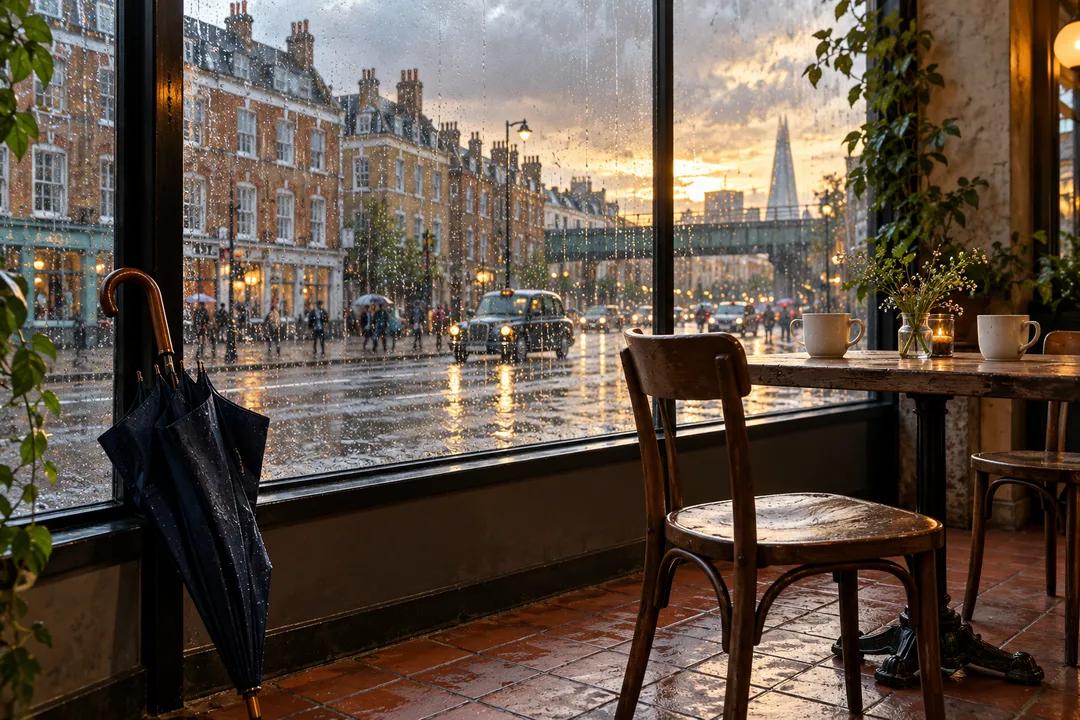
London Date Night Itinerary Planner: 3 Rainy Night Fixes
A London rainy date works better with a dry meeting point, one compact indoor anchor, and an optional ending that can disappear without spoiling the evening.
A London date night itinerary planner should solve the wet journey before it recommends another romantic rooftop. Three changes make the biggest difference: meet indoors, reduce the distance between the main activity and food, and make the final stop optional. In the Karpo APP, start with the part of London where both people can arrive comfortably and describe how much exposed walking feels acceptable. The result you are asking for is a manageable evening in poor weather. A long list of attractive places does little good if every transition involves another soaked coat and another argument about the route.
Design the arrival around the slower traveller
One person may leave an office close to the meeting area while the other crosses the city. Put that imbalance into the request. For example: “We are meeting near our shared arrival station after work. One of us needs somewhere indoors to wait, and neither wants a long walk in the rain. Suggest a compact evening with a seated meal.” This is a sample brief, rather than a claim about a particular station or cafe. Name the actual arrival points when you make your own request. That gives the conversation something concrete to work with and prevents a picturesque district from winning solely because it looks good in photographs.
The waiting place deserves as much attention as the main attraction. A standing meeting point beneath a doorway can become uncomfortable when the later person is delayed. Prefer an opening stop where an early arrival can sit down, remove a coat, and order something independently. Describe any access needs before narrowing the choices. An indoor destination can still have steps, a difficult entrance, or nowhere to put a walking aid. Where an essential detail is absent from the available description, leave that candidate out of the chosen plan rather than silently treating an unknown feature as a useful one.
Count exposed transitions instead of attractions
The first rainy-night fix is reducing how often you go outside. Sketch the evening as arrival, indoor anchor, food, departure. Ask for food close to the anchor rather than attaching a distant restaurant you found earlier. A route with two enjoyable destinations can be better than four disconnected ones. Explain whether a brief pavement crossing is comfortable and whether a longer uncovered approach would be a problem. Those are personal limits, so there is no universal maximum walking distance. A couple with suitable coats may welcome a stroll that another couple, arriving in work shoes, would find exhausting.
The second fix is giving each destination a clear purpose. If the anchor is an exhibition or performance, the meal can be straightforward and nearby. If dinner is the point of the night, an additional ticketed activity may create unnecessary pressure. Ask Karpo for alternatives that preserve the main purpose rather than alternatives that merely fit the word “romantic.” A sheltered shopping passage, for example, serves a different purpose from a quiet room where two people can talk. They should only substitute for each other when both people actually want that change. Weather protection alone does not make an activity appealing.
Use a real fallback, not a consolation prize
For the third fix, decide which part disappears first. Here is a hypothetical rule: if reaching the outdoor ending starts to feel unpleasant, finish after dinner. Nothing else needs replacing. That removes the temptation to search for another attraction while standing in the rain. If the indoor anchor itself becomes unsuitable, retain the same meeting area and change the activity, so the earlier travel decisions still work. Your request can say: “Offer one indoor alternative within the same small area, with no second cross-city journey.” The point is continuity. A fallback that demands a completely different night is another planning job.
Read any suggested alternative for what it actually offers. A lively bar may be an enjoyable backup for music lovers and a poor one for a couple hoping to talk quietly. A dessert stop might work after an early dinner but feel pointless if neither person wants more food. Tell the assistant which qualities must survive the change: somewhere to sit, a calm atmosphere, a meal compatible with dietary needs, or a shared activity. Keep the fallback specific to those priorities. You are creating permission to adapt, so there is no need to prepare a second itinerary with equal detail and equal expense.
A worked example without invented bookings
Imagine that both people agree on an early evening meal and a short indoor activity beforehand. Ask for a route in their chosen meeting district with food as the main commitment. Once suggestions arrive, compare the journey between the proposed stops and decide whether the activity adds enough value to justify it. If it does, keep it. If the route doubles back or requires another substantial journey, remove it. This example deliberately supplies no business name, opening time, or ticket price. Its useful output is the decision sequence, which can be applied to candidates backed by actual information in the conversation.
A planning response and a booking are separate things. Make any reservation through the venue's own booking route and record the details you receive there. Bring that fixed commitment back into your planning conversation, including the actual arrival requirement and any cancellation terms that affect the evening. Ask for the remaining suggestions to fit around it. Avoid describing a table as secured simply because it appears in a proposed itinerary. Keeping the distinction clear is particularly useful in rain, when an assumed indoor seat can turn into another wait outside and undo the reason you chose the plan in the first place.
Practical Notes for a comfortable wet evening
Pack for the transitions you retain: an umbrella that both people can manage, footwear suited to wet pavements, and a bag that leaves a hand free. Choose an arrival point that is easy to describe in ordinary language. “Inside the agreed meeting place” is more useful to the other person than an elaborate instruction involving several exits. Share the name of the destination and the actual reservation details directly with your date. The planning conversation can contain many rejected options, but the person joining you only needs the decisions that survived. Less information is easier to act on while travelling.
When the weather improves, resist rebuilding the whole evening. Add a short outdoor moment only if both people want it and it leaves the agreed departure comfortable. The strongest rainy date is one that already works indoors. Sunshine then becomes a bonus, rather than a missing ingredient. After the evening, note which transition caused friction and which stop felt worth the effort. That is more useful for a future request than a generic rating of the entire night. A good plan learns from the actual experience: how you arrived, where you relaxed, and what you happily skipped when the sky had other ideas.
Ask Karpo for more information.
Keep reading
- Waterloo Cozy Board Game Cafe Finder in South London
 Shoreditch Cozy Board Game Cafe Finder in East London
 Brixton Cozy Board Game Cafe Finder for Warm London Days