 Waterloo Cozy Board Game Cafe Finder in South London
Weekend Plans
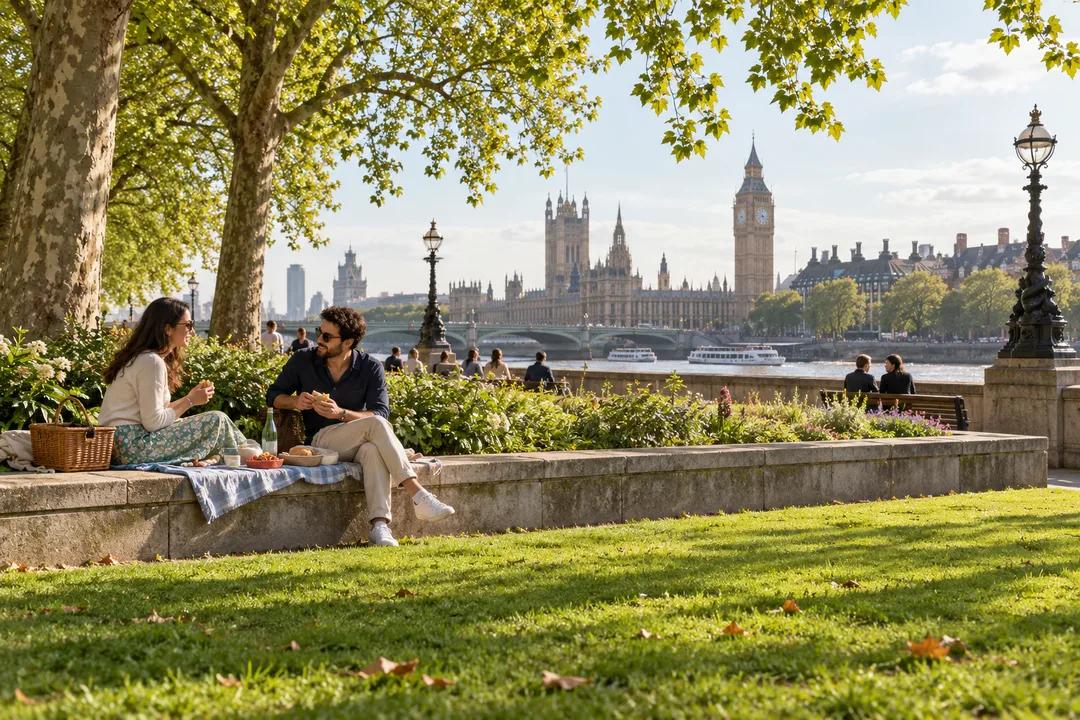
London Date Night Itinerary Planner: Spend Less, Enjoy More
A low-budget London date starts with a shared spending limit, one worthwhile paid choice, and free time that feels like part of the date rather than filler.
Set the total before choosing the restaurant. For a London date night itinerary planner, a budget is useful only when it includes the expenses both people will actually face: food, travel, admission, and any extra stop. Tell the Karpo APP what the total means and whether it applies to one person or the pair. Then describe the experience you want to protect. A modest evening can still feel considered when the meal, the meeting area, and the unhurried time fit together. The goal is a date you can enjoy without privately calculating the damage after every decision.
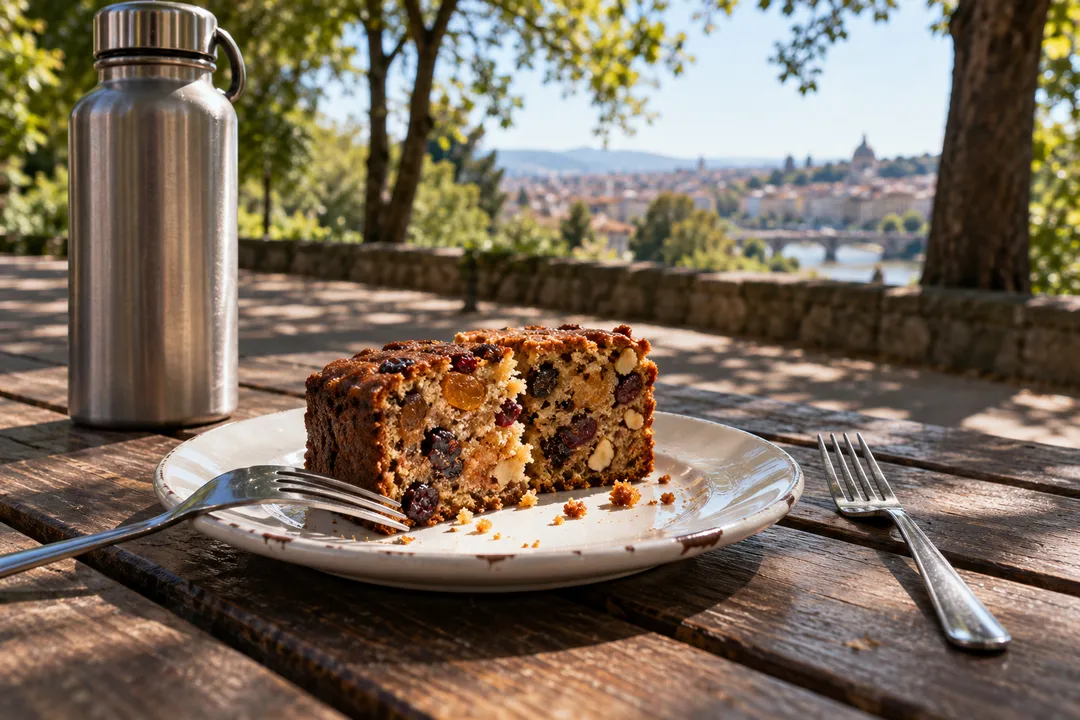
Agree on the number without making it awkward
A clear invitation makes spending expectations easier. Say that you would like a simple evening, suggest a type of meal or activity, and make it comfortable for the other person to propose a lower limit. The conversation is especially valuable when the two people earn different amounts or arrive with different ideas about what counts as inexpensive. Do not use the word “cheap” as a substitute for an actual ceiling. It carries different meanings for different people. Give the planner a number you have chosen and explain whether drinks, transport, and food must all fit inside it before it suggests options.
Here is an illustrative brief: “Two of us want an evening in our chosen London district. Our combined allowance is sixty pounds, including the meal and local travel. We care more about talking than drinking. Suggest a plan with one paid priority and an enjoyable free portion.” The amount is a hypothetical user budget, not a quoted price for a London experience. Substitute your own figure and starting points. You may want to reserve some of it before evaluating ideas, particularly when either person's return journey is less flexible. Money needed to get home should never depend on skipping an essential part of the evening.
Separate the allowance from an advertised price
Read a suggestion with two different questions in mind. First, would this kind of activity fit the money you want to spend? Second, is there reliable information about what the selected business actually charges? Your allowance answers the first and cannot answer the second. Avoid assuming a restaurant will fit because a planning response describes it as affordable. Use documented menu or ticket information when selecting a paid commitment. Where the necessary cost is absent, choose another candidate whose cost you can establish, or keep that part of the evening uncommitted. Unknown amounts do not become small amounts merely because the plan has a budget.
Allowances also need to reflect how you order. Two people who want a full meal have different requirements from two people sharing a snack after eating at home. Tell the assistant which description is true. If alcohol is not part of the date, say so early rather than letting several bar suggestions consume the shortlist. If one person needs a substantial meal, protect it instead of designing the whole evening around dessert. A lower-cost plan becomes uncomfortable when it relies on someone being less hungry than they are. Spending decisions should follow the real people going out, including their dietary needs and ordinary appetites.
Choose what deserves the money
Pick one purchase that gives the night its identity. It might be a meal you have both wanted to try, an activity, or a small shared treat. Ask for the rest of the evening to support that choice without adding repeated incidental spending. A cafe before dinner, drinks during dinner, and a second bar afterward can quietly become three separate paid events. You do not need all three for the night to feel complete. The honest trade-off is often to make one part satisfying and simplify the rest. Explain which part you refuse to shrink, so proposed savings fall elsewhere.
For an activity-led date, eating a familiar meal beforehand may protect more of the allowance for the experience. For a food-led date, a shared walk can supply the second part without another booking. Neither approach is inherently more romantic. Choose based on what the two people enjoy together. Avoid free activities that create expensive travel or require an unwanted purchase to participate comfortably. The word “free” should describe the actual selected activity only when that information is supported. Until then, ask for candidates with documented free admission and retain the distinction between the request you made and the evidence returned with a particular suggestion.
Make the unpriced part of the date intentional
A walk becomes more engaging when there is a small shared purpose. You might compare interesting window displays, choose a favourite building detail, or each point out something the other missed. These are suggestions for your own behaviour, rather than claims about attractions or events. They cost nothing to decide and make the time between destinations feel like part of the evening. Give the walk a comfortable boundary. If either person dislikes aimless wandering, connect it to the chosen meal and departure direction. A deliberate short section is kinder than an indefinite march sold as an inexpensive alternative to sitting down.
Weather and fatigue can affect a modest budget more than expected. Do not make a long outdoor section the only way the plan works. Build an ending that can happen sooner without requiring an emergency purchase. If the weather makes the walk unattractive, the meal can be the whole date. That is a complete evening when both people know the intention. Avoid adding a costly backup merely to preserve the number of activities. The valuable commitment is time together, not the presence of an item in every slot. Ending comfortably can be the most financially sensible and socially considerate decision you make.
Practical Notes for paying and leaving
Agree on how you will handle payment before an elaborate order creates uncertainty. Splitting equally, paying for your own choices, and one person treating the other can all work when both people understand the arrangement. The planner does not need private financial information to help with ideas. A spending ceiling and a description of what it includes are sufficient. Keep card details and payment decisions in the appropriate booking or merchant channel. A proposed itinerary should never be treated as evidence that something has been purchased. Retain actual receipts and reservation information separately from the suggestions you considered while planning.
At the end, compare your spending with the experience you protected. The useful question is whether the chosen purchase gave you the evening you wanted, not whether every spare pound was used. If a free conversation after dinner was the memorable part, give it more space next time. If a paid activity made the date distinctive, simplify the meal on a future outing and protect that interest. Good budget planning produces knowledge about your preferences as a pair. It makes the next invitation easier because you can describe what felt worth paying for, what you happily omitted, and what never needed a price in the first place.
Ask Karpo for more information.
Keep reading
- Waterloo Cozy Board Game Cafe Finder in South London
 Shoreditch Cozy Board Game Cafe Finder in East London
 Brixton Cozy Board Game Cafe Finder for Warm London Days