 Waterloo Cozy Board Game Cafe Finder in South London
Weekend Plans
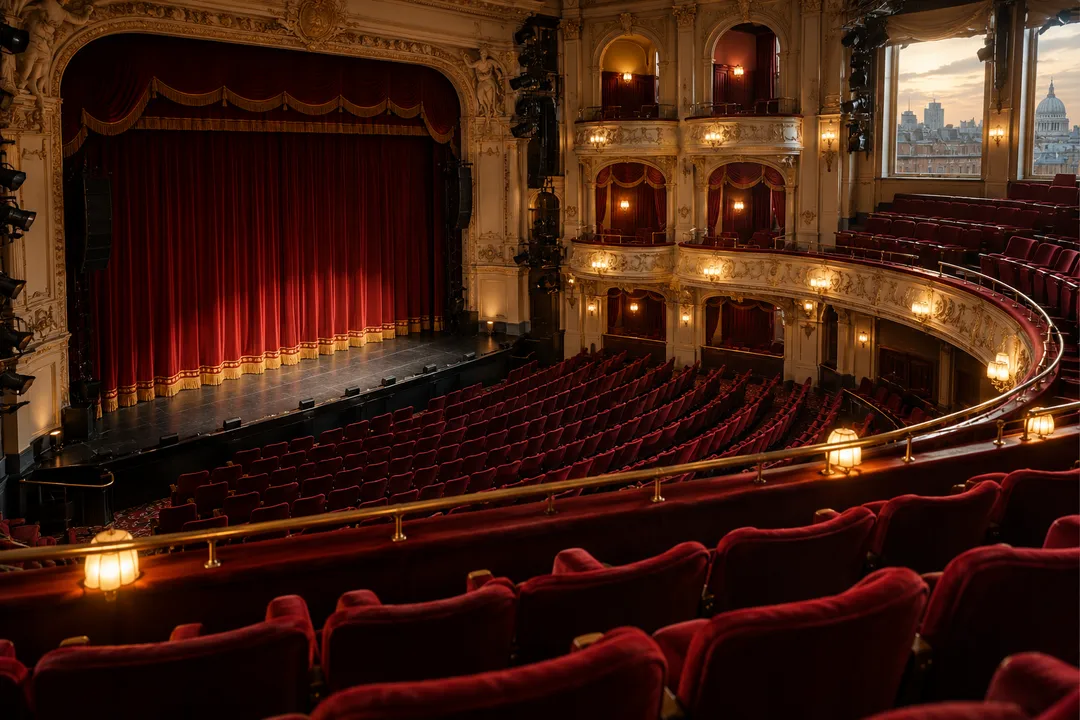
London Date Night Itinerary Planner: Eat Before The Show
A late-show London date works backwards from the actual ticket time, with a nearby meal beforehand and an optional ending that respects both return journeys.
Put the ticket time at the top of your London date night itinerary planner request. A late performance changes the evening's order: the meal needs to finish comfortably beforehand, travel must lead towards the venue, and anything afterward stays optional. In the Karpo APP, describe the show you have actually chosen and the arrival information from your ticket. If you have not bought a ticket, say that you are still choosing. That single distinction prevents a draft plan from becoming an imagined commitment. The evening should fit the event you intend to attend, with enough attention left to enjoy it.
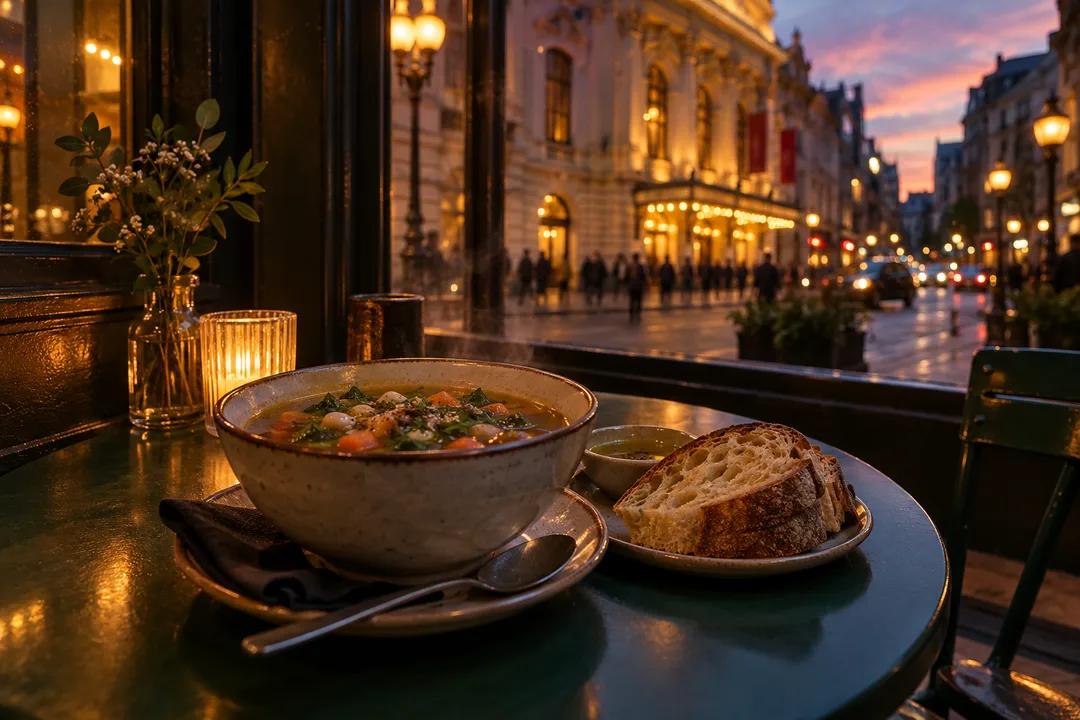
Work backwards from an actual commitment
Separate the performance start from any earlier arrival instruction. Your ticket or the organiser's information may include entry details that matter to the plan. Use those actual details when allocating the meal and the journey. A generic example cannot supply them for a real event. Do not borrow the schedule of another performance at the same venue or assume that a recommendation establishes entry. Once you have the relevant information, ask for dinner suggestions that fit before arrival. This is more useful than finding a restaurant first and trying to squeeze a show around the table you happened to reserve.
The two starting locations also matter. If one person cannot leave work until later, a substantial seated meal may be the wrong opening for that particular performance. Consider eating separately beforehand and meeting for the event, then having a small optional stop afterward if suitable. It can feel more relaxed than hurrying through dinner together while one person watches the clock. Explain the constraint honestly in the invitation. Spending the whole pre-show interval worrying about lateness is a poor exchange for the appearance of a complete evening. The shared performance is already a clear and worthwhile reason to meet.
Choose dinner for reliability as well as appetite
A pre-show meal has a practical job: feeding you without becoming a competing event. Ask for candidates near the selected venue, compatible with dietary needs and the amount of time you have. Avoid promising a particular service speed unless the selected business explicitly provides that arrangement. A menu described as suitable for pre-theatre dining still needs to fit the actual performance you are attending. If the available information does not establish a workable meal, choose a simpler opening. You are looking for enough confidence to enjoy dinner, rather than a clever calculation that only works when every stage runs perfectly.
Ordering can help keep the meal comfortable. Tell the server about your performance commitment when appropriate and make choices you actually want within the arrangement offered. Do not expect a complex meal to accelerate because you arrived late. The kinder response to a compressed schedule may be reducing what you order or changing the meal before making a commitment. A date night is not improved by making staff responsible for an unrealistic itinerary. Leave enough room for settling the bill and reaching the venue without rushing. That transition belongs in the plan just as much as eating and watching the show.
Keep the approach to the venue straightforward
Once the meal is chosen, look at the connection from its entrance to the performance entrance you need. Large venues can have several approaches, and a district name alone is not a meeting point. Use the location provided with your event details. Share the actual entrance information with your date, especially if you are arriving separately. The planner can help organise your thoughts about the route, but do not assume it has communicated the route to the other person. A concise direct message containing the agreed destination is more useful than forwarding a long conversation containing several alternatives you have already rejected.
Consider what each person is carrying. Work bags, wet coats, mobility aids, and anything that affects entry need to fit the organiser's actual arrangements. Retain the venue's instructions rather than guessing from a different theatre or cinema. If a bag rule changes what you can bring, make that decision before leaving for dinner. Planning is easiest when the inconvenient details are settled early and then disappear from the date. The purpose of thinking through arrival is to arrive with attention available for the performance, rather than spending the last few minutes resolving a problem that could have been addressed before the evening began.
After the curtain, make one decision
You do not need a third booking to make a show feel like a date. The conversation as you leave can be a satisfying ending. If both people want longer to discuss it, choose an optional final stop that suits the actual finish and departure direction. Avoid assuming a nearby business will still admit you because it appears in a shortlist. Select a specific candidate only when its relevant information supports the plan. Otherwise, keep the ending as a choice about whether to continue rather than a promise of another venue. A good performance gives you something to carry home together even when you leave directly.
When tastes differ, leave space for different reactions. One person may have loved the production while the other found it slow. That can be an interesting conversation without requiring either person to defend the purchase. Ask what detail stayed with them or what they would have changed. The point of a shared cultural activity is not to produce matching reviews. If the performance disappoints both of you, an expensive recovery stop is optional too. The evening can still work as time spent together with a memorable common subject. Decide how much energy remains before turning disappointment into another round of hurried spending.
Practical Notes for the return journey
Agree on the departure needs before the show begins. One person may need to leave promptly while the other has more flexibility. Build the plan around the tighter constraint so the final decision is not made under pressure. Carry the actual ticket, any reservation reference, and the venue's entry information in the format provided by the organiser. An assistant's proposed schedule is not an admission document. Where the event offers specific accessibility arrangements, use the instructions associated with that booking. This article proposes a planning sequence and does not establish the rules or operating hours of any named London venue.
Afterward, notice whether dinner improved the evening or merely made it harder to reach the performance comfortably. Next time you might choose an earlier meal, meet directly at the venue, or leave food until another occasion. Those adjustments are useful knowledge about your schedules and appetites. A late-show date should feel centred on the show, with the surrounding decisions making it easier to enjoy. When the plan works, you remember what happened on stage and what your date thought about it. The restaurant schedule and the route have done their jobs quietly, leaving the evening's strongest memory to the experience you came to share.
Ask Karpo for more information.
Keep reading
- Waterloo Cozy Board Game Cafe Finder in South London
 Shoreditch Cozy Board Game Cafe Finder in East London
 Brixton Cozy Board Game Cafe Finder for Warm London Days