 Waterloo Cozy Board Game Cafe Finder in South London
Weekend Plans
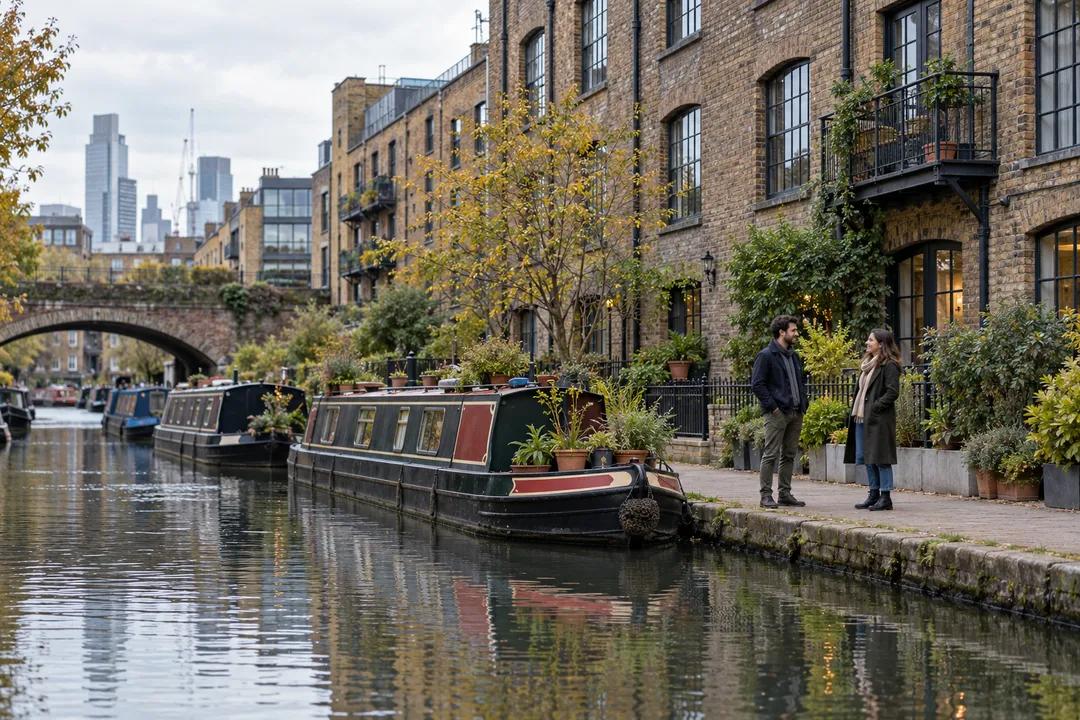
London Date Night Itinerary Planner: Meet Without Pressure
A first London date can stay short, public, and easy to leave, with a clear meeting point and an optional extension that requires agreement from both people.
A first date needs a comfortable meeting more than an elaborate itinerary. Ask a London date night itinerary planner for a public setting, a clear opening activity, and a straightforward way for each person to leave independently. In the Karpo APP, describe the district you have both agreed on and the kind of meeting you would actually enjoy. Keep the first commitment modest. An optional extension can be considered later if both people want it. This approach gives the evening a useful shape while leaving space for the most important discovery: whether the two people like spending time together in person.

Begin with an invitation that can be answered
Offer a specific kind of meeting and invite the other person's preference. A coffee, a simple meal, and a public walk create different expectations about duration and spending. Explain which you mean rather than saying you have planned a surprise. Surprises can be enjoyable in an established relationship, but a first meeting benefits from knowing what one has agreed to. If food is involved, ask about dietary needs before choosing. If the person would prefer a different area or activity, take that as useful information for the plan. Agreement is easier when the invitation contains enough detail to accept or change.
You do not need to share a home address to choose a meeting district. A general starting area and the transport each person prefers are enough for an initial request. Avoid putting private details about the other person into a planning conversation without their permission. Interests they have volunteered can help you ask for suggestions, but sensitive personal information is unnecessary. The useful brief is about the meeting: public, comfortable, manageable to reach, and suited to the amount of time both people want to offer. Keeping the request focused also makes it easier to compare candidates without building a speculative profile of someone you barely know.
Choose a setting with room for ordinary conversation
A visually impressive place is not always an easy first meeting. A complicated activity can demand attention that you would rather give to each other, while a very loud setting may make introductory conversation tiring. Ask for suggestions that match your shared interests and practical preferences. Do not assume that quiet, seated, casual, and inexpensive mean the same thing. Name the qualities that matter separately. Once you select a candidate, describe it accurately in the invitation without promising an atmosphere or a particular table you have not secured. The other person should understand what is planned without being sold an idealised version of it.
Choose a public arrival point that a newcomer can recognise. If the meeting is inside a business, agree on the business rather than an ambiguous street corner nearby. If the plan begins outdoors, make the meeting location equally clear and have a comfortable response to poor weather. Neither person should feel obliged to follow an unexpectedly private route simply because the original idea no longer works. Changing to another public setting or postponing can be perfectly sensible. A first-date plan succeeds when both people retain choices. Its structure should never make leaving, declining an extension, or suggesting an adjustment feel like breaking a promise.
Give the opening a natural boundary
You can agree to a short first meeting without treating it as an audition. A modest opening makes it easier to say yes when schedules are busy or expectations are uncertain. One person might have another commitment afterward, or both may simply prefer to start small. Put that boundary into the invitation. There is no need to invent an excuse during the date when the plan already has a comfortable endpoint. Likewise, avoid scheduling a second paid activity that silently converts a brief meeting into a whole evening. The first commitment should stand on its own and be worthwhile even if nothing follows it.
During the meeting, let conversation develop without trying to complete a prepared list of questions. A shared observation about the setting can be enough to start. Ask about something you are curious about and allow the answer to lead somewhere. If the date feels awkward, that does not automatically mean the venue needs replacing or the itinerary needs expanding. First meetings can be tentative. Moving repeatedly can add more pressure rather than remove it. Give the agreed activity a fair chance, while staying attentive to whether both people appear comfortable and want to remain. The planner's role ends well before making that interpersonal judgement.
An extension is a fresh invitation
If the meeting goes well, ask whether the other person would like to continue. Offer one simple option that fits the area and respects any earlier departure constraint. A short walk or another drink may appeal, but neither should be assumed. You can ask the assistant beforehand for an optional nearby idea without presenting it as booked or inevitable. Keep the wording in the invitation light and accurate. “We could do this if we both feel like it” makes room for a genuine answer. The original date is still complete if one person prefers to finish at the point you agreed.
Paying deserves the same clarity. People bring different expectations to first dates, and an expensive choice can create discomfort before anyone says so. Choose within a spending level both people find reasonable and discuss payment naturally when needed. An invitation to continue does not create an obligation to purchase another round, share transport, or change personal boundaries. If there is a reservation, obtain it through the business's actual booking route and retain the details there. A suggested itinerary is not a transaction. Giving both people practical independence helps make the social choices feel freer and the evening easier to enjoy.
Practical Notes for a clear finish
Keep your own return plan and the information needed to use it. Share the meeting details with a trusted person if that is part of your normal practice, and arrange any communication directly through the channels you already use. Do not assume a city-planning conversation tracks the date or sends location updates. When it is time to leave, a simple thank-you and a clear goodbye are enough. There is no requirement to decide immediately whether there will be another meeting. The end of the planned activity can remain an ordinary ending, with each person leaving in the direction that suits them.
After the date, separate what you learned about the person from what you learned about the plan. A comfortable venue cannot create compatibility, and an awkward journey does not prove the connection was wrong. For a future invitation, remember which practical conditions helped: an easy arrival, an activity that allowed talking, transparent spending, or a short initial commitment. If you want to meet again, suggest something informed by the conversation you actually had. The second date can become more specific because you now share a real experience. The first plan has done enough if it made that experience possible without asking either person to surrender comfort or choice.
Ask Karpo for more information.
Keep reading
- Waterloo Cozy Board Game Cafe Finder in South London
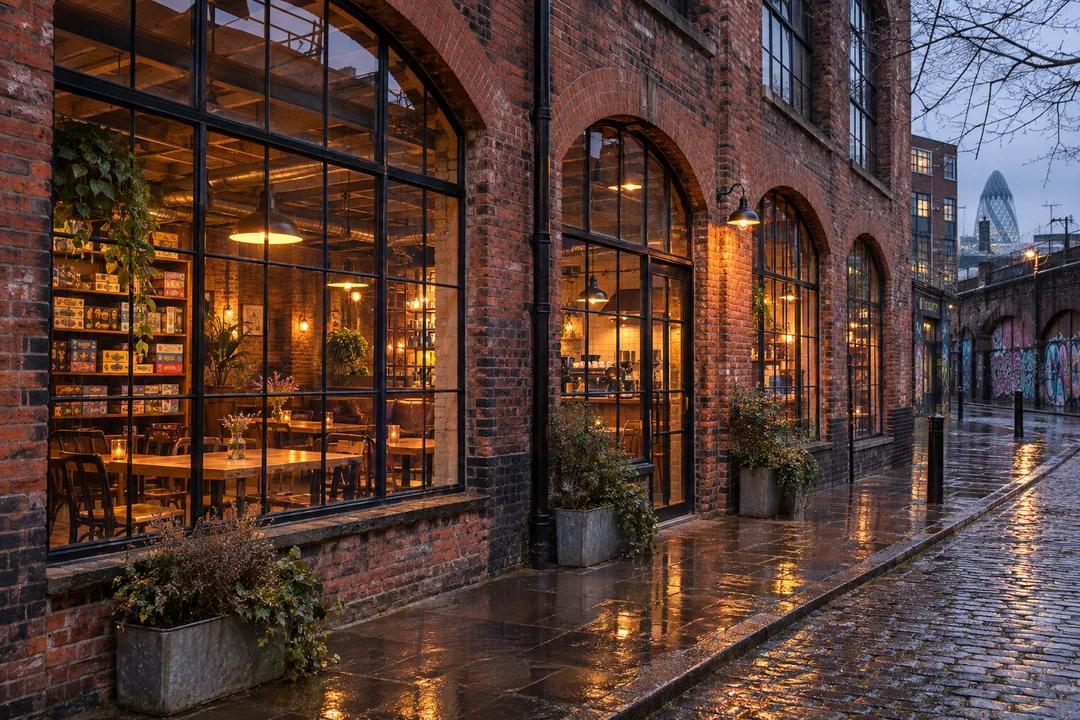 Shoreditch Cozy Board Game Cafe Finder in East London
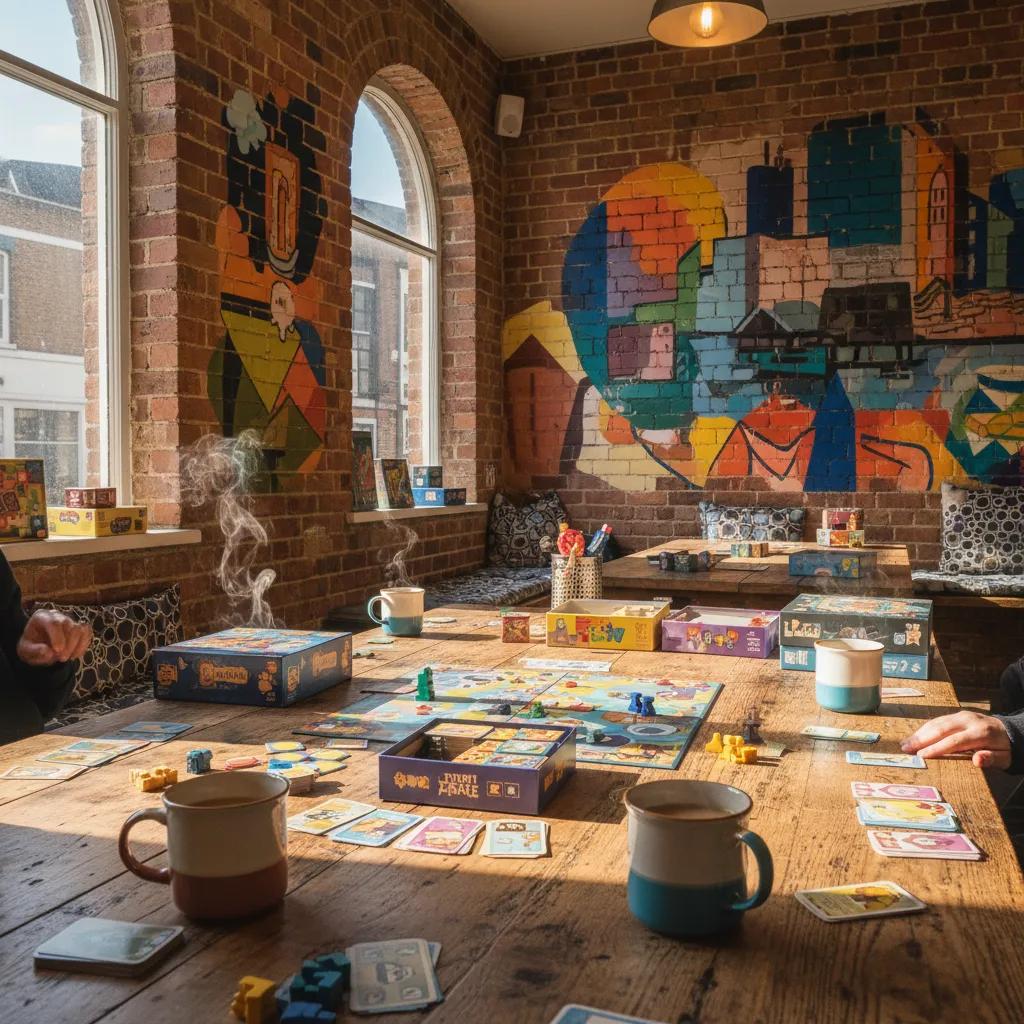 Brixton Cozy Board Game Cafe Finder for Warm London Days