 Brixton Vintage Thrift Shop Finder: South London Retro Gems
Hidden Gems & Odd Finds
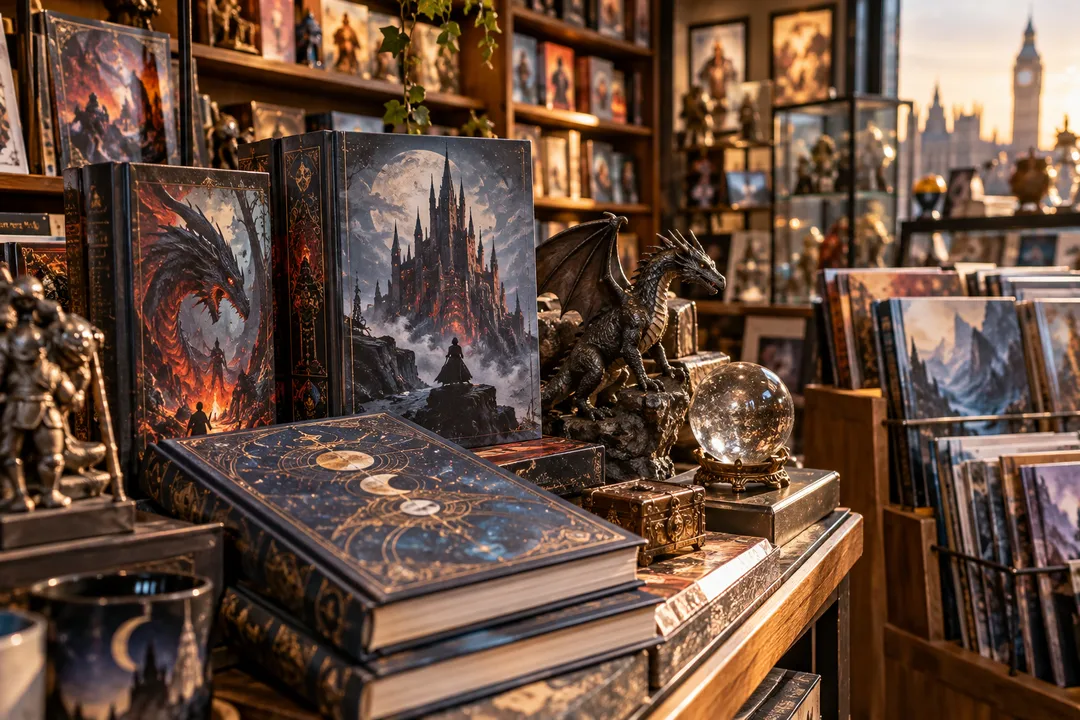
London Dark Fantasy Bookstore: Build a Three-Book Shortlist
Plan a London dark fantasy bookstore visit with a three-book shortlist, clear format preferences and an itinerary that separates suggestions from live stock.
A London dark fantasy bookstore search becomes easier when you separate three decisions: what kind of story you want, which edition you would buy, and where a visit fits into your day. Use this page as a planning workflow for a possible Forbidden Planet bookshop visit, rather than a live inventory report. Start a conversation in Karpo APP with your reading preferences and available time. The output you need is a manageable shortlist and a next action, not a long list of interchangeable shops.
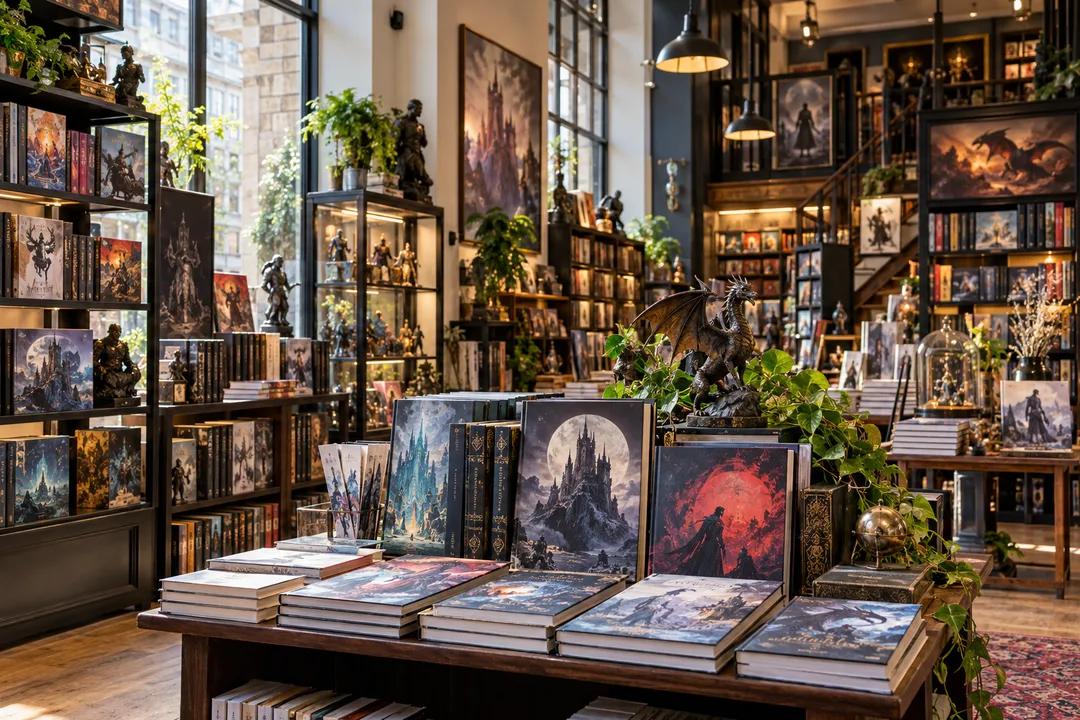
First define what dark means to you
The phrase dark fantasy can describe several different reading experiences. You may want a secondary world with difficult moral choices, a supernatural threat in an ordinary setting, or mythology retold with an unsettling tone. Write one sentence about the part you enjoy and another about what you would rather avoid. That distinction gives a planning assistant useful input without requiring you to know a precise publishing category. A favourite title can help, but explain what worked in it rather than provide a name alone.
Turn the preference into a usable prompt
Try this wording: “Help me plan a London book browse for dark fantasy. I like folklore and ambiguous characters, want a standalone novel, and have one afternoon.” Replace those preferences with your own. Mention language, format, and any content boundaries that matter. These are inputs to your search, not features a shop is presumed to offer. Ask Karpo APP for a concise response that separates book-selection questions from travel decisions, so you can judge each part without losing your original reading goal.
Keep the shop name as a candidate
If Forbidden Planet is the place you already have in mind, put the name in the conversation as a candidate to assess. Ask what evidence would make it a useful stop for your particular format. This workflow does not assert an address, opening window, title count, or current availability for that retailer. Those details should come from an authoritative shop listing when they are needed. A familiar brand can be a helpful starting point, but familiarity alone should not decide whether it deserves the only hour you have for browsing.
Separate novels from illustrated formats
A collected comic, a manga volume, an art book, and a prose novel place different demands on a reader. Decide which of them belongs in this outing before comparing possible shops. If you want sequential art, ask about reading order and whether a volume starts or completes an arc. For prose, identify whether translation, narration, or world-building matters most. An illustrated cover does not turn every book into the same product. Clarifying format early prevents an attractive display from taking the search somewhere you never intended to go.
Build a three-item decision sheet
For each candidate book, record the title, creator, edition, and one reason it suits the brief. Keep the number small enough that you can remember the differences. Three is a suggested limit for this exercise, not a count of stock or a retailer's policy. Give each candidate a different role: closest match, interesting departure, and fallback. If every reason reads the same, the list is not yet helping you decide. Return to your original preference and ask for distinctions rather than more titles.
Let budget mean the whole outing
Set a personal spending ceiling and decide whether it includes transport, a food stop, or a protective bag for a larger book. No retailer prices are assumed in this workflow. When an individual edition has an identifiable seller price, compare that exact edition with your ceiling instead of substituting a broad average. Collector features can create a different purchase from an ordinary reading copy. A signed insert, hardcover binding, or special illustration may matter to you, but say why before allowing it to absorb the rest of your afternoon budget.
Choose the order of decisions
There are two sensible ways to organise the outing. If a particular title is essential, resolve the edition and availability question before building the route. If discovery is the point, decide which area you can comfortably explore and leave the book choice open until you browse. Mixing those approaches creates frustration: a spontaneous itinerary cannot guarantee a rare item, while a tightly specified purchase may need very little sightseeing. Tell Karpo APP which approach you prefer so the plan reflects your actual purpose rather than a generic shopping afternoon.
Ask for a route with a clear finish
Add your starting area, final destination, time limit, and tolerance for walking. A useful follow-up is, “Keep the book stop central and leave enough time to reach my evening meeting.” The route proposal should help organise those constraints. It is not a promise about train performance, crowd levels, or how quickly a counter can serve you. Read the suggested order and remove any stop that has no connection to your goal. A smaller plan often leaves more time for the unexpected title that makes a bookshop visit worthwhile.
Prepare the question for the bookseller
The human conversation can be short and specific: “I want a standalone dark fantasy novel with folklore, and I would prefer a paperback.” If a title is central to the visit, bring its author and edition information. If you are browsing visual storytelling instead, ask whether you need preceding volumes. These questions let the bookseller provide information about the actual books and stock they can access. Karpo APP can help you phrase the request, but a drafted question is not a stock enquiry that has already been sent or answered.
Handle an unsuccessful browse deliberately
Decide in advance what counts as a worthwhile outcome if nothing suits. You might leave with one new author to investigate, change format, or stop shopping and take the planned walk. None of those requires an unnecessary purchase. Ask for one fallback in a similar area, rather than creating a second entire itinerary. If the fallback also fails, finish the outing instead of spending the day chasing an increasingly vague brief. Your original boundary—format, tone, budget, or time—is useful precisely because it can tell you when to stop.
Keep the result portable
Before ending the conversation, ask Karpo APP to restate the plan as a short sequence: the reading brief, the candidate stop, the question to resolve, and the route's finish. Keep a copy in whichever notes system you use. This step is about carrying forward your decisions; it does not create a reservation, place an order, or save a book behind a counter. Mark unresolved information plainly in your personal notes so a polished itinerary does not accidentally become a claim that every detail has been confirmed. The finished workflow should leave you able to explain why a particular book or bookshop deserves your attention. For a possible Forbidden Planet visit, that means treating the shop as one candidate within your reading task, while keeping the retailer's own facts separate from suggestions. You can then buy, browse, or walk away for a reason you understand. That is a stronger result than collecting dozens of search results, mistaking an attractive cover for a good match, or assuming that an assistant's route establishes live availability.
Ask Karpo for more information.
Keep reading
- Brixton Vintage Thrift Shop Finder: South London Retro Gems
 Notting Hill Vintage Thrift Shop Finder: Preloved Rails
 Soho Vintage Thrift Shop Finder: West End Designer Archives