 Richmond Park Sunset Viewing Planner: Deer Meadow Horizons
Weekend Plans
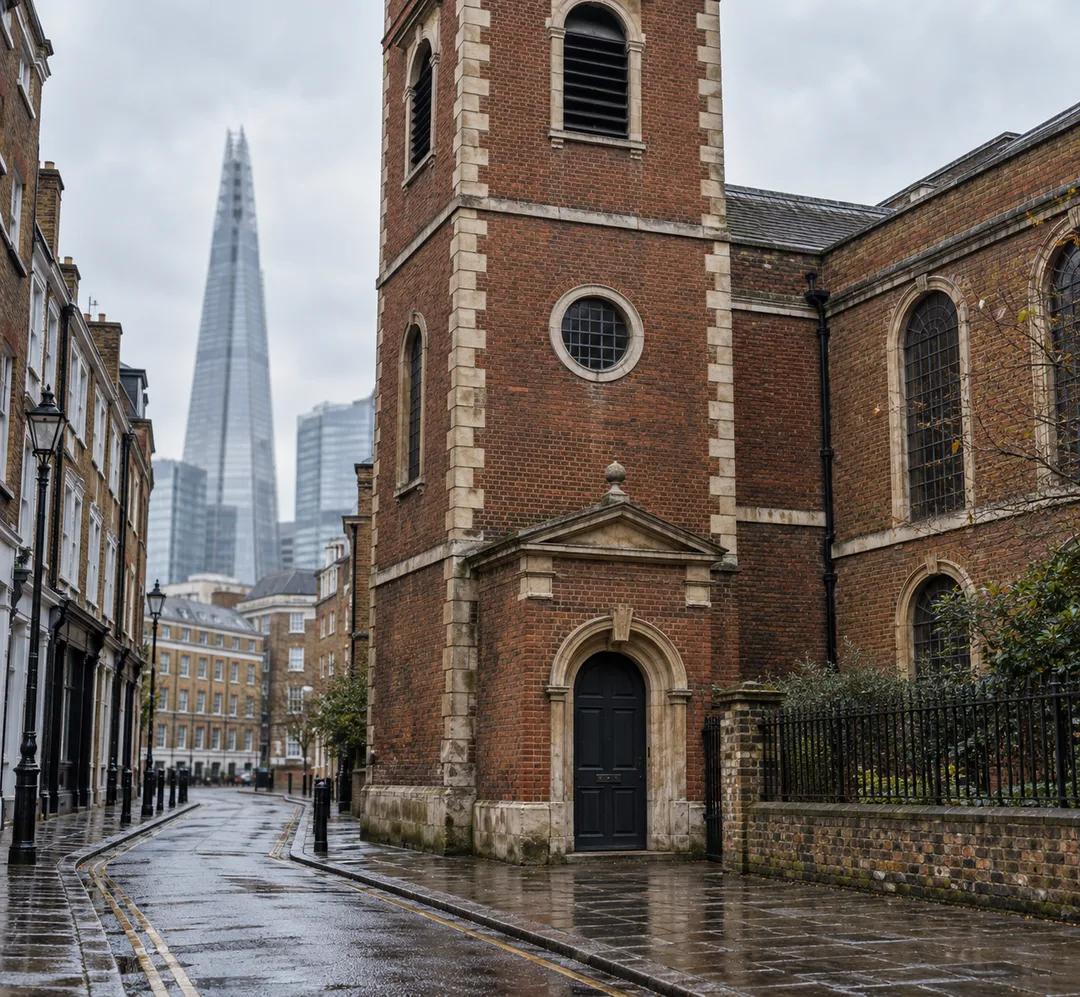
Dark Art Gallery in a Church Attic: Old Operating Theatre
The Old Operating Theatre at 9A St Thomas Street, Southwark charges £10 for its 1822 surgical theatre and herb garret, open Thursday to Sunday only.
The Old Operating Theatre Museum and Herb Garret hides in the roof of St Thomas' Church, at 9A St Thomas Street in Southwark, a few minutes from London Bridge station. It is not a gallery in the white-cube sense, yet it earns a place on any dark art route: anatomical specimens, surgical tools from before anaesthetic, and a wooden theatre where students once crowded around an awake patient. The museum calls itself Europe's oldest surviving operating theatre, and you reach it by climbing a narrow spiral stair under the church roof.
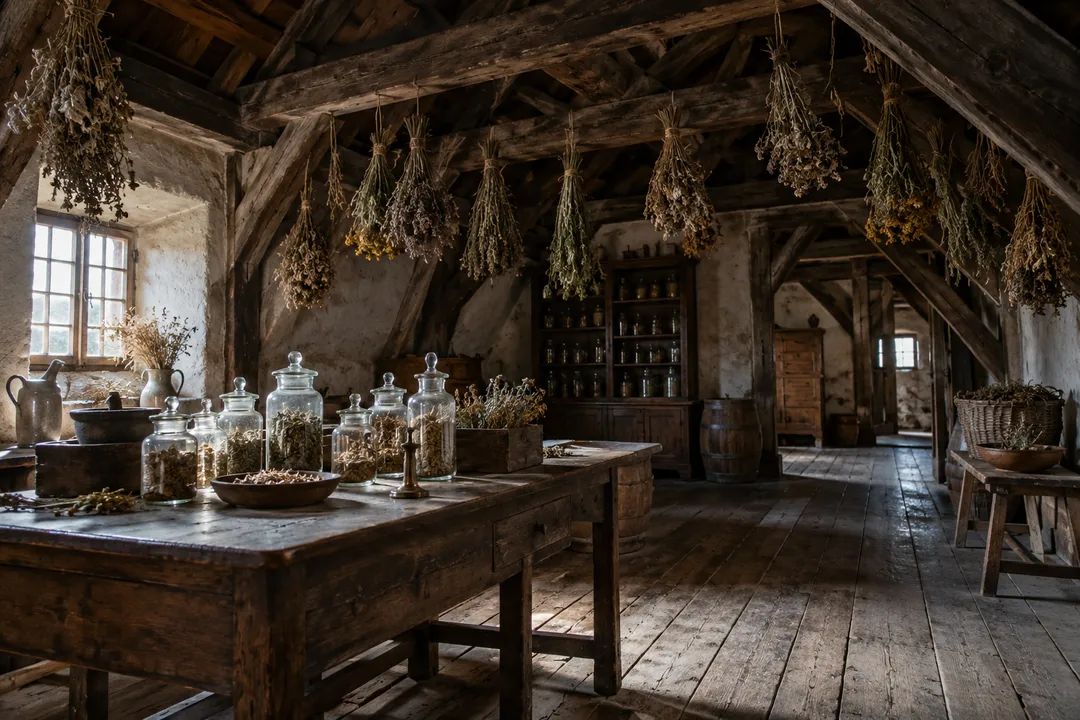
A Herb Garret Turned Surgical Stage
The church opened in 1703 and is the oldest surviving structure from the original Southwark site of St Thomas' Hospital. Through the eighteenth century its attic served as the hospital's herb garret, where the apothecary dried the plants needed for remedies. In 1822 the space was converted into a women's operating theatre, connected directly to the neighbouring Dorcas Ward, and operations were carried out in full view of medical students, long before anaesthesia, antisepsis or effective pain relief existed.
St Thomas' Hospital left Southwark for Lambeth in 1862, after the site was compulsorily purchased to make room for the expansion of London Bridge railway station, and the garret was boarded up. It stayed untouched for almost a century and was rediscovered in 1956. Lord Brock, a surgeon at Guy's Hospital, then gathered money and donated medical objects to restore the attic as a public museum in 1962. It has run independently ever since, today under the Lord Brock Trust, a registered charity.
What You See Inside the Attic
The displays fill two main rooms of the old hospital architecture. You will see surgical and pharmaceutical objects, hospital furniture, a small collection of human pathology specimens and a small image collection, with items spanning the seventeenth century to the early twentieth. The original 1962 collection ran to roughly three hundred items, including 22 loans from the Wellcome Institute, and later gifts added a metal operating table, a set of hospital admission books and a child's cot from the old Evelina Hospital for Children.
The collection highlights are grouped under surgery and antiseptics, anaesthetics, pharmacy and hospitals. The surgery cases carry most of the darkness, because they show the kit used when a patient was conscious and the surgeon's best defence was speed. The herb garret side is gentler and explains how pre-modern healthcare leaned on the apothecary's dried plants. Allow around an hour if you like to read every label, and bring curiosity rather than a weak stomach.
Tickets, Opening Days and the 52 Steps
Admission prices on the museum's booking page include a donation: adults £10, concessions £8, children aged 16 and under £6.50, and a family ticket at £22 for two adults and two children, or one adult and three children. Children aged five and under, carers and Museum Association members go free. Tickets booked online are valid for the whole day of purchase, so you can arrive at any point in opening hours. Same-day tickets cannot be booked online but can be bought on arrival, subject to availability.
The museum is open Thursday to Sunday, 10.30am to 5pm, with last admission at 4.15pm, and closed Monday to Wednesday apart from occasional extra days, such as Monday 26 October and Wednesday 28 October 2026. Access is by a 52-step spiral staircase, and an accessible entrance can be arranged if you contact the museum before you come. Luggage cannot be stored inside and suitcases are not allowed, so use the paid storage units near Borough Market.
The Dark Calendar: Films, Talks and Body-Snatcher Walks
The events calendar leans gothic. A Halloween film night of James Whale's 1931 Frankenstein, held after hours on 27 October, is sold out, as is a free family day the same date. Coming up are a talk called Surgery and the Victorian Operating Theatre on 21 November and a Public Health Walking Tour on 22 November, which follows the barefooted urchins of the workhouse, the body-snatchers at night and the river-banks slick with sewage.
On 20 December a Body-Snatchers of Southwark walking tour follows the surgeon Sir Astley Cooper and the notorious Borough Gang around the local streets. In December the garret also stages A Christmas Carol, a one-performer show on a sparse stage, on 1, 7 and 14 December at £30 per person. Events are ticketed separately from standard admission, and several of them sell out early, so book the date you want as soon as it appears.
How to Make the Visit Count
The attic is small, so timing matters. The first slot after opening at 10.30am on a Thursday or Friday is the calmest, while weekends bring families and more shuffling between cases. Wear shoes with grip for the spiral stair and carry nothing bulky, since there is no luggage storage. The theatre and the herb garret are the two rooms you came for, so a visit works well as a 60 to 90 minute stop between breakfast at the market and a walk along the river.
The darkness here is historical rather than theatrical, and it works because the objects are real. Standing in the theatre and looking at the cases of instruments, you start to understand why speed counted for so much and why the arrival of anaesthesia and antiseptics changed everything. Pair it with the Halloween season and you get a quieter, more thoughtful scare than the usual London haunted attractions can offer.
Around London Bridge Afterwards
The museum sits between Borough Market and The Shard, and the redbrick church tower is the landmark to look for from the street. The closest station is London Bridge, using the Guy's Hospital exit. Borough Market is a short walk and the obvious place to eat before or after. There is no parking on site, but there is street parking in the surrounding area on Ewer Street and Kipling Street.
If you want more of the gothic river city, Southwark Cathedral, the ruins of Winchester Palace and the Clink Prison Museum are all a short walk toward the Thames. Together they make a half-day route through medieval Southwark, and the garret is the darkest and most unusual stop on it. Come back in the evening for one of the museum's after-hours events if you want to see the attic by candlelight rather than daylight.
Practical Notes
Address: Old Operating Theatre Museum and Herb Garret, St Thomas' Church, 9A St Thomas Street, London SE1 9RY. Hours: Thursday to Sunday 10.30am to 5pm, last admission 4.15pm, closed Monday to Wednesday. Tickets: adult £10, concession £8, child £6.50, family £22, with the donation included. Nearest station: London Bridge, Guy's Hospital exit. There is no parking on site, and the entrance is up a 52-step spiral staircase.
Ask the Karpo APP for a Thursday plan around London Bridge, and it can pair the garret with lunch at the market and one of the autumn evening talks.
Ask Karpo for more information.
Keep reading
- Richmond Park Sunset Viewing Planner: Deer Meadow Horizons
 South Bank Sunset Viewing Planner: Thames Riverside Walks
 Parliament Hill Sunset Viewing Planner: London Heath Vistas