 Clapham Bouldering Gym Finder: New in Town, Climb to Mingle
Sports Social
South Bank Cycling Trail Planner: Thames Quiet Arts Route
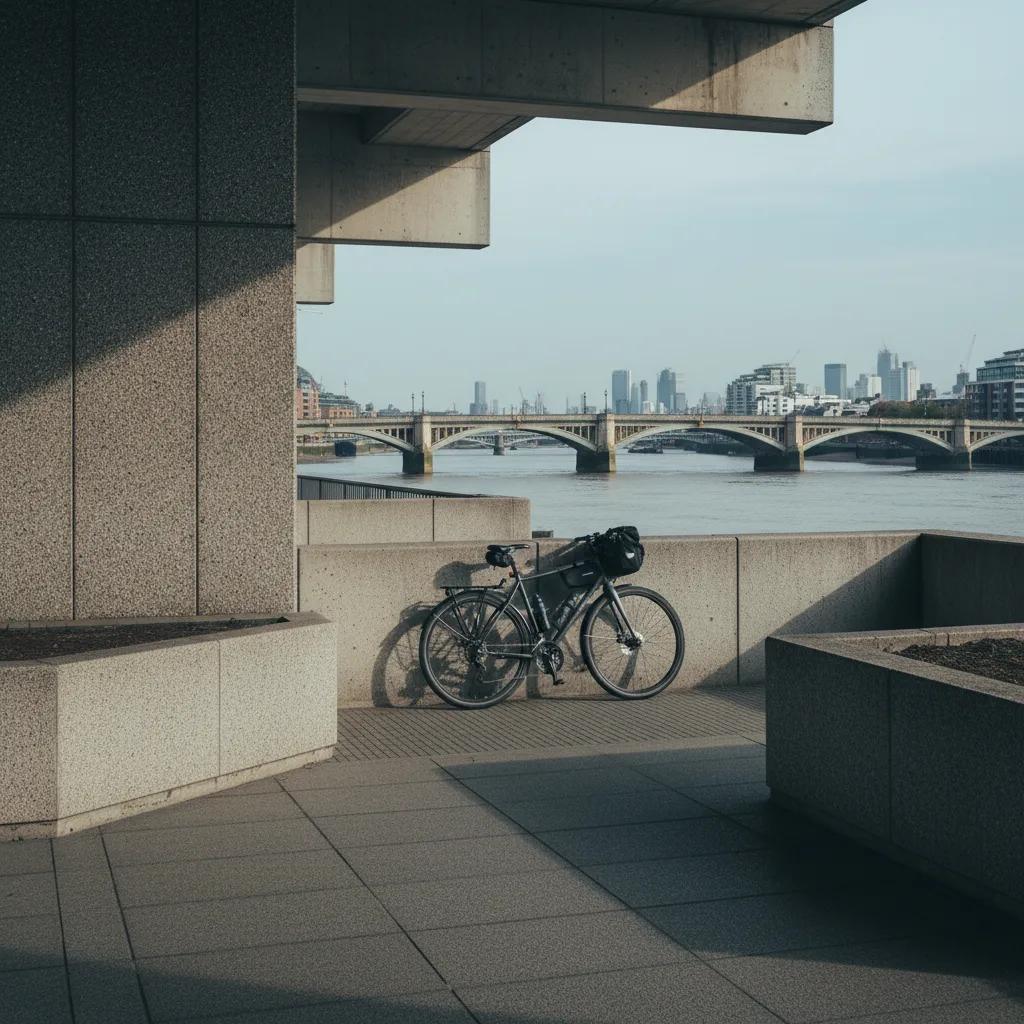
Chart river-adjacent cycling routes on the South Bank via Belvedere Road and Upper Ground to link Waterloo Station with Cycleway 6 across Blackfriars.
Cycling alongside the River Thames on London's South Bank requires recognizing that the iconic riverside promenade known as The Queen's Walk is predominantly a pedestrian-first pedestrian precinct where cycling is strictly prohibited or practically unfeasible during peak hours. Tourists, theatregoers, and skateboarders congregate densely along the riverfront between the London Eye and Tate Modern, turning the waterside path into a walking-pace obstacle course. An effective cycling trail planner near me search for the South Bank directs riders one block inland onto Belvedere Road and Upper Ground, which form the designated low-traffic east-west cycling artery south of the river. By utilizing these sheltered service corridors, cyclists enjoy uninterrupted tarmac while remaining mere steps away from the National Theatre, BFI Southbank, and the Southbank Centre.
The Upper Ground and Belvedere Road Corridor
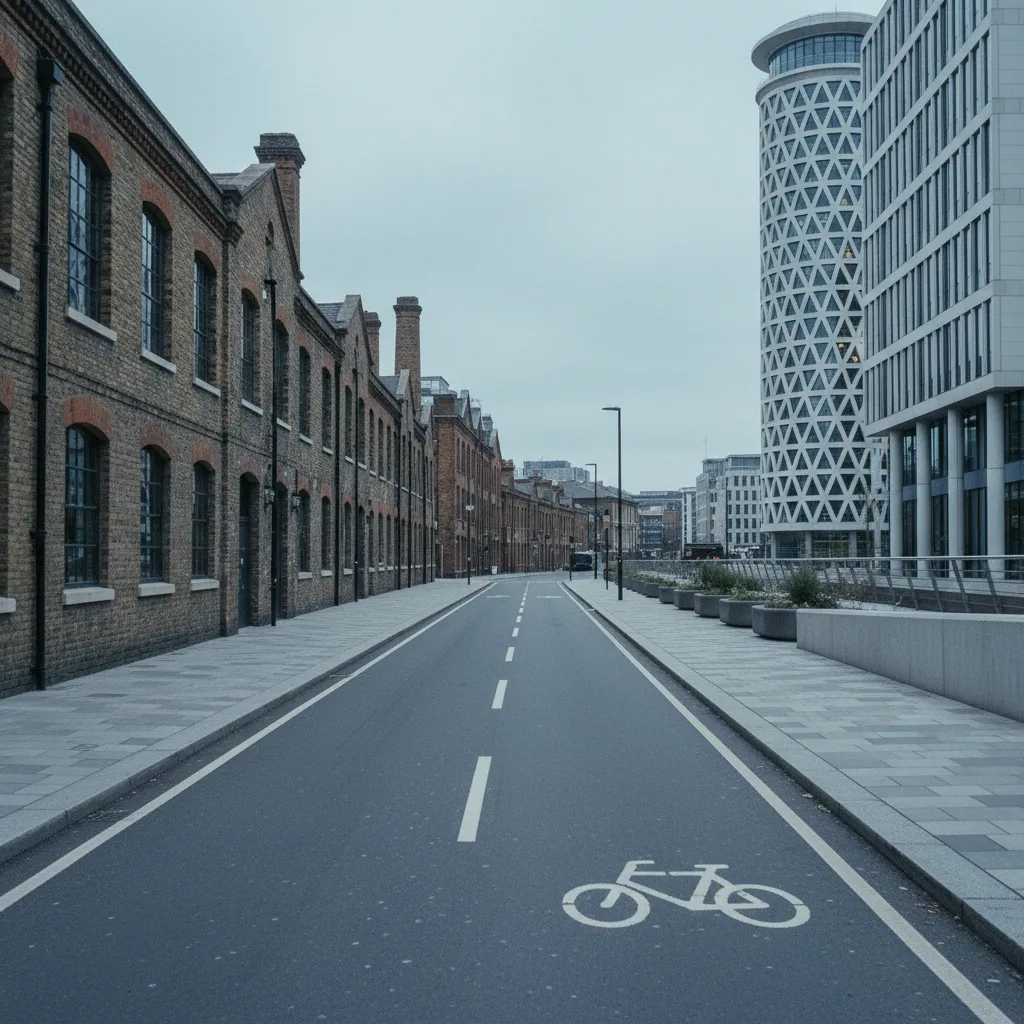
Running parallel to the river from Westminster Bridge Road to Blackfriars Road, the continuous alignment of Belvedere Road and Upper Ground offers London's premier cultural cycling link. Passing beneath the massive concrete spans of Hungerford Bridge and Waterloo Bridge, this route features dedicated traffic-calming speed tables, wide asphalt lanes, and synchronized cycle priority boxes. The thoroughfare handles mostly local delivery vehicles, cultural center access vans, and black cabs, providing a calm cycling experience compared to multi-lane roads like York Road.
As you ride eastward past the Brutalist flyovers of the National Theatre and IBM Building, the street transitions smoothly into Upper Ground near Gabriel's Wharf and the OXO Tower. Here, residential converted warehouses flank the roadway, creating a quiet neighborhood feel. The road maintains a gentle 20-mile-per-hour speed limit with frequent raised zebra crossings that naturally moderate motor traffic and protect crossing pedestrians.
Bridge Crossings and Major Cycleway Interchanges
The South Bank serves as the strategic nexus for several of central London's most heavily traversed river bridges. At the western end, the protected segregated cycle track on Westminster Bridge funnels cyclists directly past County Hall onto Belvedere Road without forcing merges into the intimidating vehicular roundabout at York Road. This connection offers direct cycling access toward Parliament Square and Victoria.
At the eastern end, Upper Ground terminates into Blackfriars Road, where riders immediately join Cycleway 6 (C6). Blackfriars Bridge features London's premier fully segregated bi-directional cycle bridge crossing, separated from vehicular lanes by massive granite curbs. Taking C6 northward carries cyclists directly into Farringdon and the City, while heading southward leads along Blackfriars Road toward the major multi-directional cycling junction at St George's Circus.
Santander Cycles Docking Around Waterloo and Cultural Venues
Given the concentration of arts venues and railway terminals on the South Bank, Santander Cycles operates several high-capacity docking stations in this sector. The largest facility sits directly on Concert Hall Approach beneath Waterloo Bridge, providing over 45 docking points right beside the Southbank Centre and BFI IMAX. This terminal is particularly valuable for commuters transferring between national rail services and local cycle transit.
Secondary docking installations operate along Belvedere Road near Jubilee Gardens (34 bays) and on Hopton Street behind Tate Modern (28 bays). When arriving for an evening film screening or concert, aim to dock at Concert Hall Approach; if that bank approaches capacity, the broad docking bank on Waterloo Road outside the mainline station entrance provides reliable alternative space with continuous turnaround throughout the night.
Extending Inland Toward Cycleway 14 and Union Street
For journeys pressing further eastward through Southwark toward Bermondsey or Greenwich, continuing past Blackfriars along Southwark Street provides a fast connection to Cycleway 14 (C14). C14 utilizes Union Street, a protected and quiet parallel corridor that bypasses Borough High Street and London Bridge traffic. Riding along Union Street features dedicated cycle bypasses around bus stops and protected light phases at major cross-streets.
This inland connection is especially popular with weekend cyclists heading toward Borough Market or Maltby Street Market. By sticking to Union Street, riders avoid the heavy tourist footfall around the Clink Prison Museum and Anchor Bankside, joining the quiet backwaters of SE1 before re-emerging at the river near Tower Bridge.
Strategic Route Mapping with Karpo APP
Navigating the complex split-level topography of the South Bank—where elevated bridge ramps crisscross lower riverside access lanes—can easily confuse unfamiliar cyclists. Employing Karpo APP enables riders to generate custom cycling routes that automatically differentiate between ground-level service streets like Upper Ground and elevated highway ramps like the Waterloo Bridge approach. The software prioritizes continuous low-gradient lines, sparing riders unnecessary stair climbs or dead-end loading courts.
Riders should note the realistic scope of the application: Karpo APP provides strategic route curation, waypoint sequencing, and surface insight, but it does not supply turn-by-turn spoken audio guidance or track live Santander Cycles bike counts. Cyclists use the official Transport for London systems for bike availability and rely on Karpo APP as their overarching route designer for effortless cross-river transit.
Wind Patterns and Bridge Surface Hazards
Cycling in close proximity to the Thames exposes riders to microclimatic conditions that differ substantially from sheltered inland streets. Strong westerly wind gusts frequently funnel along the river corridor, producing sudden side drafts when cyclists transition from sheltered roads like Upper Ground onto exposed bridge spans like Waterloo Bridge or Blackfriars Bridge. Cyclists should brace their core, maintain a firm two-handed grip on the handlebars, and lower their riding profile when crossing open water.
Expansion joints across bridge approaches present another localized hazard, particularly during cold or wet weather when the steel plates lose all traction. Always cross bridge expansion joints and drain grates in a straight, perpendicular line without leaning into turns. Similarly, watch for damp leaves accumulating along the gutter lanes under the shade of mature plane trees lining Belvedere Road in late autumn.
Practical Notes
Bicycle parking facilities are plentiful along the South Bank, with dozens of stainless steel hoops installed outside the Royal Festival Hall, the National Theatre, and the London Eye coach park. Ensure you secure your frame and both wheels using a high-quality Sold Secure rated lock. Never lock bicycles to temporary crowd-control barriers or tree guards along The Queen's Walk, as Southwark and Lambeth council contractors regularly confiscate improperly secured bicycles.
While cycling is strictly prohibited on The Queen's Walk between Westminster Bridge and Blackfriars Bridge, pushing a bicycle on foot is entirely permitted, allowing you to walk the scenic final stretch to riverside cafes without difficulty. When riding on roadways, maintain legal front white and rear red lamps, and yield courteously to pedestrians crossing Belvedere Road between Waterloo Station and the cultural centers.
Ask Karpo for more information.
Keep reading
- Clapham Bouldering Gym Finder: New in Town, Climb to Mingle
 Marylebone Bouldering Gym Finder: Lunch Break Climbs
 Notting Hill Bouldering Gym Finder: Family Climbing Weekends