 Clapham Bouldering Gym Finder: New in Town, Climb to Mingle
Sports Social
Soho Cycling Trail Planner: West End Evening Transit Routes
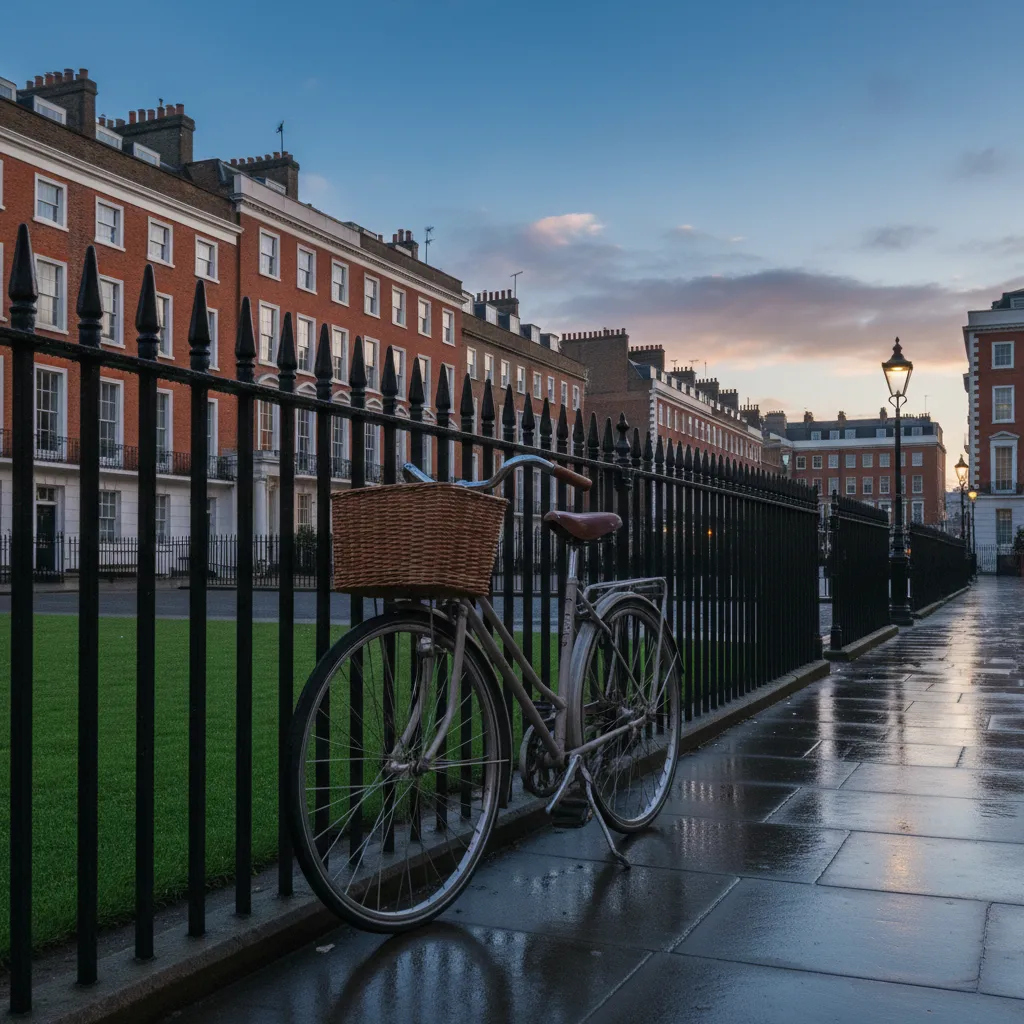
Plan quiet cycling routes around Soho using Cycleway 27 and Golden Square bike docks to bypass heavy West End traffic and crowded Theatreland pavements.
Cycling across central Soho during the evening demands a deliberate routing strategy because narrow Georgian lanes like Frith Street, Greek Street, and Dean Street fill with outdoor dining tables and theater patrons after six in the evening. Attempting to pedal directly down Old Compton Street between Charing Cross Road and Wardour Street at peak evening hours inevitably forces riders to dismount behind delivery porters, pedestrians stepping off curbs, and queue lines forming outside busy venues. A reliable cycling trail planner near me search in the West End points cyclists away from the congested interior alleys and onto designated perimeter corridors, where dedicated tarmac, wider road space, and synchronized signals keep momentum steady. By treating Soho as an enclosed cultural square framed by Oxford Street to the north, Shaftesbury Avenue to the south, Regent Street to the west, and Charing Cross Road to the east, urban riders can navigate between surrounding districts without fighting gridlocked pedestrian footfall.
The Core Perimeter Corridors
The cleanest east-west traverse immediately north of Soho runs along the southern fringes of Fitzrovia via Goodge Street and Eastcastle Street, which feeds directly into the protected infrastructure of Cycleway 27 further north. Cyclists heading across town avoid Oxford Street entirely, as private cycling is prohibited or severely restricted across retail pedestrian priority zones between Tottenham Court Road station and Oxford Circus. Instead, skimming along Eastcastle Street and Great Titchfield Street allows riders to maintain an uninterrupted 15-minute pace across the district without competing against double-decker bus queues.
On the southern boundary, Shaftesbury Avenue carries significant motor vehicle traffic, but experienced commuter cyclists utilize the broad bus lanes where cycling is permitted under Transport for London regulations. When traveling eastward from Piccadilly Circus toward Cambridge Circus, keeping a defensive road position just left of the primary vehicular lane ensures visibility past theatre patrons hailing black cabs outside the Gielgud and Queen's theatres. Turning north into Wardour Street provides an immediate transition into quieter secondary streets, provided you stay aware of loading vans and delivery mopeds serving local restaurants.
Navigating Soho Square and Golden Square
Soho Square serves as the primary northern crossroads for cyclists crossing between Tottenham Court Road and Chinatown. While cycling on the internal garden paths is strictly prohibited by Westminster City Council bylaws to protect park visitors, the perimeter carriageway around the square is paved and designated for shared vehicular and cycle traffic. Entering from Carlisle Street on the west side and circling clockwise toward Sutton Row on the east creates an effortless connection toward the protected two-way cycle tracks on St Giles Circus.
Golden Square, tucked into the southwestern corner of Soho behind Regent Street, functions as a remarkably tranquil counterpoint to the rush of Piccadilly. The road encircling Golden Square has minimal through traffic due to selective bollards and one-way restrictions that discourage cut-through private cars. Pausing here allows cyclists to check their digital routing or adjust panniers in a spacious, well-lit environment before descending toward Lower Regent Street or navigating eastward through the quieter residential stretches of Broadwick Street.
Santander Cycles Docking Strategy
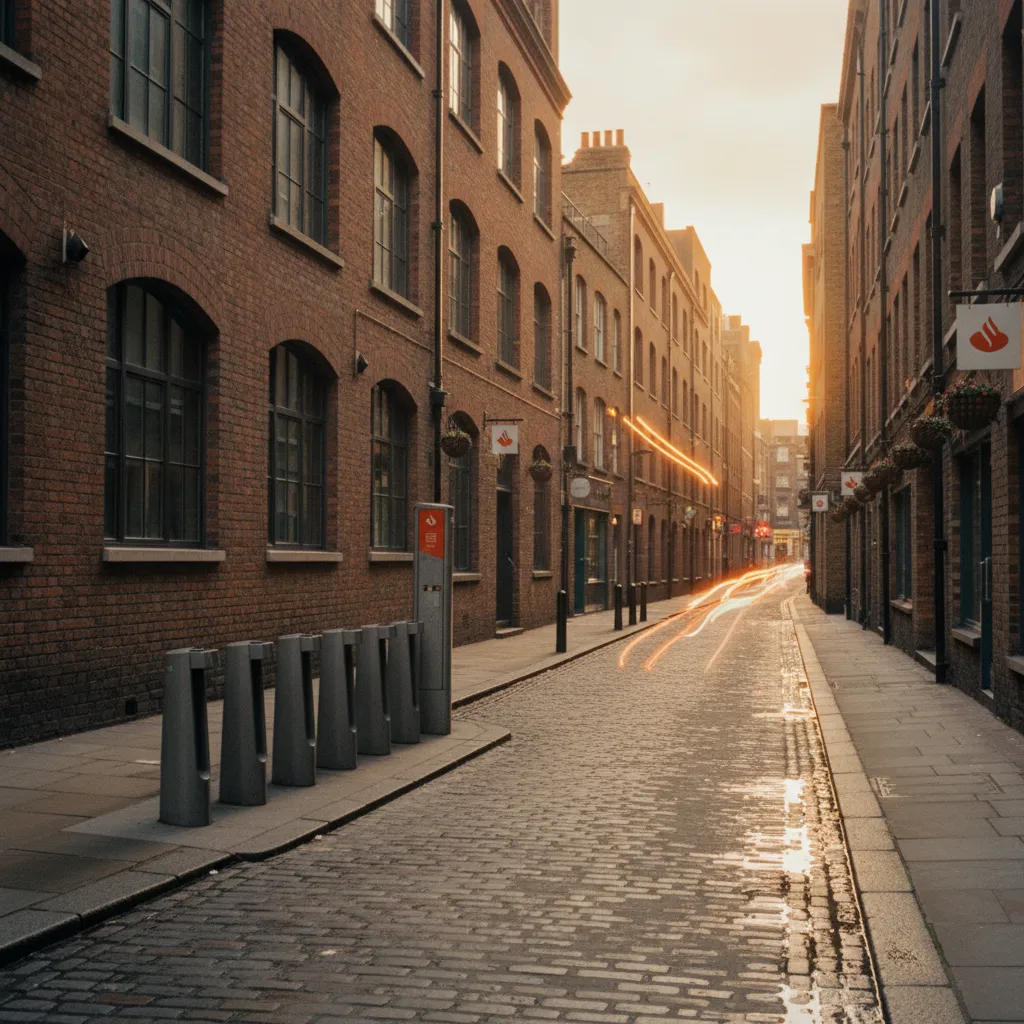
Riders relying on London's public hire scheme must plan their docking points in advance, particularly on Thursday and Friday evenings when central London docks reach maximum capacity by seven o'clock. The Santander Cycles docking station on the south side of Golden Square holds 28 docking bays, making it one of the largest drop-off facilities in the immediate area. If Golden Square is full, the docking terminal on Wardour Street near Peter Street offers an additional 18 bays, though its proximity to nightlife venues means turnaround is rapid.
Another dependable docking facility sits along Moor Street just behind the Palace Theatre, offering convenient parking for riders continuing on foot toward Covent Garden or Leicester Square. When docking at peak times, check the electronic terminal screen if all bays appear occupied; Transport for London grants a complimentary 15-minute extension on your journey if you register a full station at the terminal, giving you adequate time to glide over to the secondary docks at Little Argyll Street.
Connecting to London Major Cycleways
Soho does not contain internal segregated superhighways, so linking into London's wider protected grid requires brief connector stages. To access Cycleway 6 (C6), which runs north-south from Kentish Town through Farringdon down to Blackfriars Bridge, cycle eastward along Great Russell Street past the British Museum to join C6 at Bloomsbury. This quiet connection avoids Holborn's intimidating gyratory system and delivers riders into continuous segregated cycle tracks within six minutes of gentle riding.
Heading southward toward the River Thames and Cycleway 3 (C3), take Wardour Street down to Coventry Street, cross into Whitcomb Street behind the National Gallery, and filter down through St Martin's Street into Trafalgar Square. From there, the wide cycle lanes on Whitehall lead directly into the segregated East-West Cycleway on Victoria Embankment. This route is favored by commuter cyclists because it replaces stop-start West End junctions with unbroken riverside tarmac stretching all the way to Westminster and the City.
Customising Routes with Karpo APP
Because evening conditions in Soho change dramatically depending on West End curtain times and street closures, relying on rigid static maps often lands cyclists in dense crowds. Using Karpo APP enables riders to construct flexible, personalized trail itineraries based on their exact starting corner and preferred riding surface, prioritizing wide perimeter streets over cobbled dead ends. You can tell Karpo APP whether you are riding a lightweight road bike, a heavy shared bike, or an electric commuter model to balance flat corridors against steeper bridge approaches.
It is essential to understand the functional boundaries of the tool: Karpo APP organizes your curated cycling plan, maps safe waypoint sequences, and highlights nearby public transport interchanges, but it does not track real-time hire bike availability or provide turn-by-turn voice directions. You will still consult the official Santander Cycles app or street kiosks for live dock occupancy, while letting Karpo APP serve as your strategic planner for navigating the cultural landscape without getting bogged down in West End bottleneck zones.
Evening Hazards and Road Surfaces
Riding through Soho during twilight and after dark requires keen attention to varied road surfaces and unpredictable traffic patterns. Cobblestones and granite setts remain common along historic alleys such as Meard Street and St Anne's Court, which turn exceptionally slick during London's frequent autumn drizzles. Cyclists riding narrow 25mm tyres should avoid leaning aggressively into corners across these stone sections, choosing instead to remain upright and brake gently with the rear wheel.
Pedestrian awareness is paramount along Greek Street and Frith Street, where patrons spilling out of pubs often step into the roadway without looking for oncoming bicycles. Furthermore, commercial delivery vans frequently idle in loading bays with hazard lights flashing, obstructing visibility around tight blind corners. Maintain a moderate pace of no more than 12 miles per hour through these mixed-use streets, keep two fingers hovering over the brake levers, and maintain an audible brass bell to alert distracted pedestrians well before reaching them.
Practical Notes
Under UK road safety legislation, cyclists riding on public highways between sunset and sunrise must display a steady or flashing white front light visible from clean distances and a clean red rear light, supplemented by an amber pedal reflector. While London's street lighting across Soho is bright, personal bicycle illumination is legally required and ensures black cab drivers spot you in their side mirrors. Wearing a reflective sash or bright jacket further enhances visibility against dark storefronts.
If locking a personal bicycle on the street, utilize the Sheffield-style heavy steel stands situated around the outer perimeter of Soho Square or along Broadwick Street outside the public library. Always secure the frame and rear wheel together with a Sold Secure Gold or Diamond certified D-lock, avoiding temporary scaffolding or signposts where local council enforcement teams may impound cycles. For longer evening visits, consider using the secure attended indoor cycle parking hubs located nearby in Covent Garden or Leicester Square stations.
Ask Karpo for more information.
Keep reading
- Clapham Bouldering Gym Finder: New in Town, Climb to Mingle
 Marylebone Bouldering Gym Finder: Lunch Break Climbs
 Notting Hill Bouldering Gym Finder: Family Climbing Weekends