 Clapham Bouldering Gym Finder: New in Town, Climb to Mingle
Sports Social
Camden Town Cycling Trail Planner: Royal College Street Loop
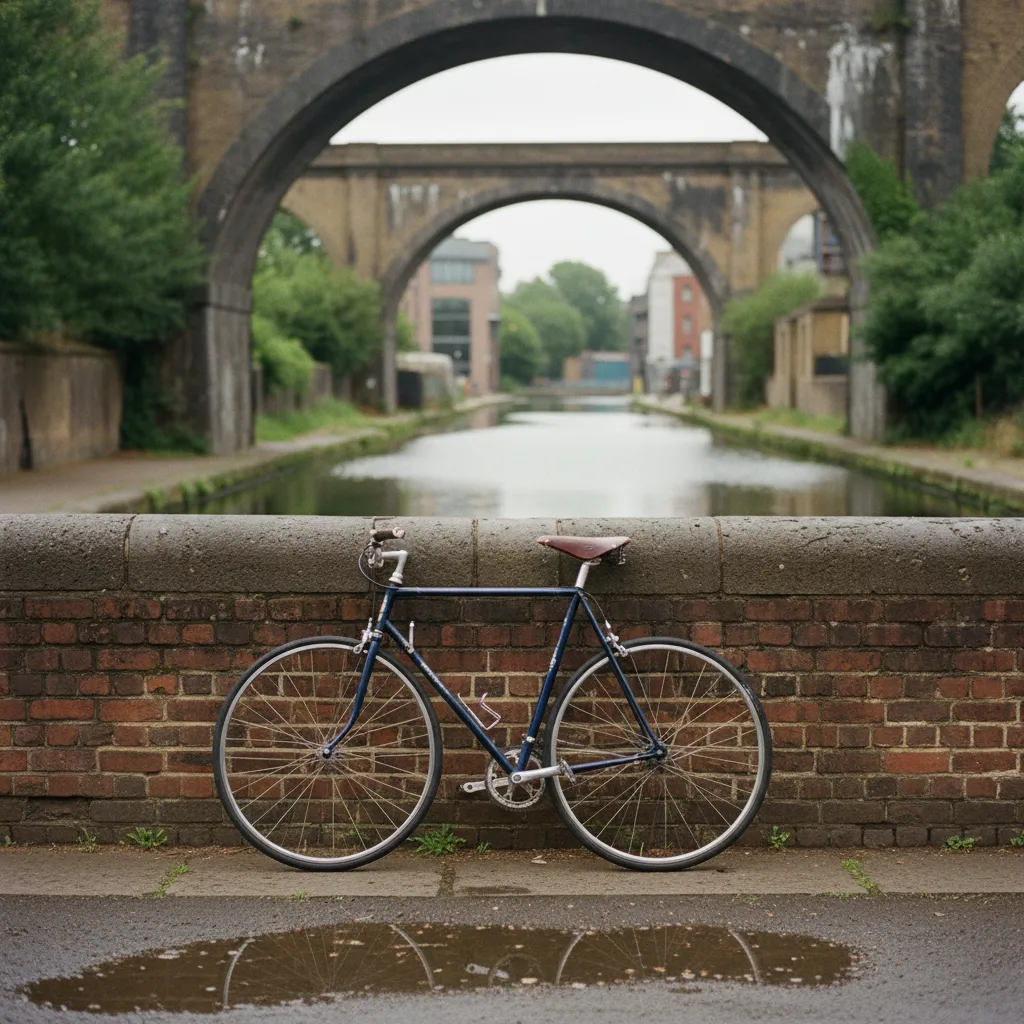
Connect protected cycling lanes along Royal College Street and quiet canal corridors in Camden Town to reach Regent's Park without traffic bottlenecks.
Cycling through Camden Town becomes frustrating and hazardous if you attempt to ride straight along Camden High Street between Mornington Crescent and the canal lock, where dense crowds of music fans, market shoppers, and idling red double-deckers choke the narrow carriageway. The key to effortless cycling across this vibrant district lies in utilizing parallel bypass corridors that run only two blocks away from the commercial core. An intelligent cycling trail planner near me search in Camden Town highlights the segregated two-way cycling facility on Royal College Street, which provides a fast, protected transit spine from King's Cross straight into Kentish Town. By combining this dedicated track with quiet residential streets like Delancey Street and Pratt Street, cyclists can link Camden's legendary live music halls with the wide green expanses of Regent's Park without battling pedestrian gridlock.
The Royal College Street Segregated Cycling Spine
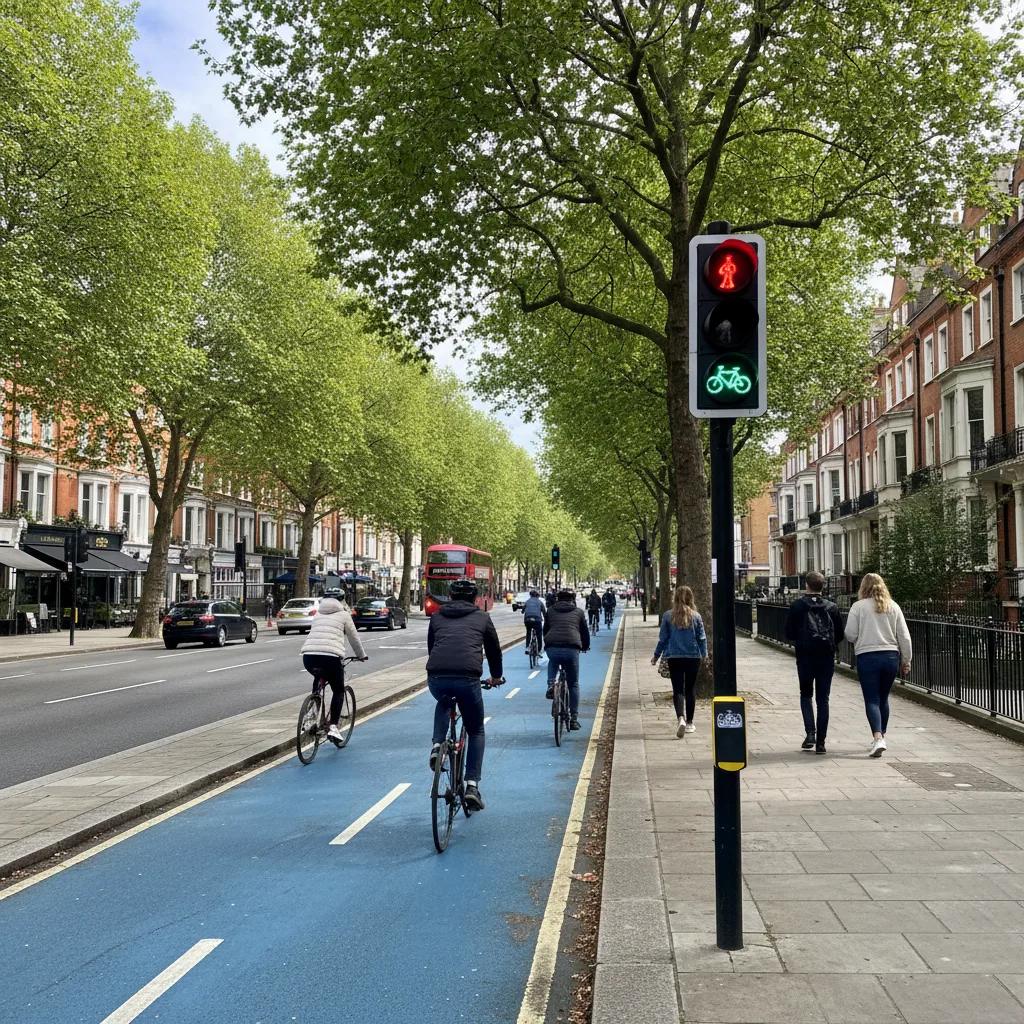
As one of London's earliest and most successful protected cycle tracks, Royal College Street offers a bi-directional cycling lane physically insulated from motor traffic by continuous concrete stepped kerbs and green planters. Extending northward from Crowndale Road past Camden Road station, this smooth corridor allows cyclists of all skill levels to cruise safely without fear of turning buses or vehicle door openings. Dedicated bicycle traffic signals at major crossroads ensure smooth priority over turning traffic.
When traveling southbound, the route pairs with St Pancras Way to provide a rapid descent toward St Pancras International and King's Cross station. The gentle gradient along this corridor makes it one of the quickest transit channels in North London, enabling riders to reach Central Saint Martins and the Coal Drops Yard dining district in under ten minutes of relaxed riding.
The East-West Transition: Delancey Street to Regent's Park
Linking the eastern railway lands with the green parklands of NW1 requires a clean east-west traversal. Delancey Street provides the ideal westward conduit, running directly from Camden High Street over to Parkway and Gloucester Gate. Transport for London and Camden Council have installed advisory cycle markings and speed-reducing chicanes along Delancey Street, creating an environment where motor vehicles defer to traveling cyclists.
Emerging onto Gloucester Gate deposits riders at the northeastern gateway of Regent's Park. From this junction, cyclists enter the legendary Outer Circle, a broad 4.5-kilometer ring road renowned among London cyclists for its smooth tarmac, minimal traffic lights, and low 20-mile-per-hour speed limit. Morning and evening training laps here offer an exhilarating open-road sensation right in the heart of the metropolis.
Santander Cycles Docking Near Live Music Venues
Visitors heading into Camden Town for evening gigs at the Roundhouse, Electric Ballroom, or KOKO will find strategically placed Santander Cycles docking stations that prevent the hassle of hunting for street parking. A prime facility operates along Castlehaven Road near the community park, featuring 26 docking bays situated just a five-minute stroll east of the main market stalls. This station typically has open bays when central market terminals become swamped.
Another well-positioned docking installation sits on Hawley Crescent, positioned beside the canal and MTV studios. For cyclists approaching from the south near Mornington Crescent tube station, the docking bank on Clarkson Row provides 22 bays and immediate walking access to Camden High Street's southern music venues. If returning a bike late after a gig, check the terminal screen for system redistribution status before walking to your venue.
Regent's Canal Towpath: Guidelines and Peak Etiquette
The Regent's Canal cuts through the center of Camden Town, offering a vehicle-free waterside connection stretching east toward Islington and west toward London Zoo and Little Venice. Entering the towpath via the cobblestone ramp at Camden Lock provides access to peaceful waterside cycling flanked by weeping willows and narrowboats. During mid-morning on weekdays, this route provides a completely motor-free commute across North London.
However, cycling the towpath requires strict adherence to pedestrian courtesy. Between eleven in the morning and six in the evening on weekends, the section surrounding Camden Lock Market becomes heavily congested with foot traffic, and cyclists must dismount and push their bicycles. Under low brick bridges where sightlines disappear, ring your bell, reduce speed to walking pace, and yield immediately to approaching families and towpath runners.
Configuring Urban Trails with Karpo APP
Camden's mix of railway viaducts, canal water barriers, and low-traffic residential neighborhood blocks creates complex micro-routing choices. Using Karpo APP empowers cyclists to configure customized routes that link protected cycleways like Royal College Street with quiet residential connectors, avoiding steep railway bridge climbs or heavily congested bus hubs. The app allows users to prioritize separated cycle tracks over shared roadways based on your personal cycling comfort.
Understanding the software's operational boundaries is important: Karpo APP delivers strategic route curation, waypoint sequencing, and terrain advice, but it does not supply real-time turn-by-turn auditory directions or monitor live Santander Cycles bay vacancies. Cyclists still use the official Transport for London resources for bike-share management, letting Karpo APP guide the structural design of your North London urban cycling experience.
Canal Ramps, Wet Cobbles, and Bridge Hazards
Riding through Camden Town involves navigating historic infrastructure that demands careful bike handling. The access ramps leading down to the canal towpath from Chalk Farm Road and Camden Lock are paved with worn heritage cobbles that can become extremely slick after rain. Descending these ramps requires feathering your brakes gently and avoiding sudden lockups, particularly when carrying heavy backpacks or panniers.
Railway bridges crossing over Chalk Farm Road and Kentish Town Road feature recessed road gullies and metal drainage grates that can catch thin 23mm or 25mm tires if crossed at sharp angles. Always aim to cross metal utility plates and drain grates squarely at right angles, and remain alert for passengers alighting from buses near Camden Town station who may step out from behind stationary vehicles.
Practical Notes
Bicycle theft is a persistent concern around Camden's busy nightlife and retail strip. If leaving a personal bicycle unattended while attending an evening concert, always lock it to a heavy council Sheffield stand using an approved Sold Secure Diamond D-lock through the frame and rear wheel, accompanied by a heavy cable for the front wheel. Avoid leaving bikes overnight along poorly lit side alleys like Stucley Place or Buck Street.
Under UK traffic regulations, bicycles are fully permitted in all London red-route bus lanes along Camden Road and Parkway, which can provide helpful shortcuts during off-peak hours. Always equip your bicycle with high-output front white lights and rear flashing red lights to stay conspicuous amid bright neon storefronts and streetlamp glare, and wear a fitted helmet to protect against unexpected road hazards.
Ask Karpo for more information.
Keep reading
- Clapham Bouldering Gym Finder: New in Town, Climb to Mingle
 Marylebone Bouldering Gym Finder: Lunch Break Climbs
 Notting Hill Bouldering Gym Finder: Family Climbing Weekends