 Clapham Weekend Brunch Planner: Parkside Morning Cafes
Restaurants
Bermondsey Curry House Lunch Picker for Regional Curries
A Bermondsey curry lunch for food lovers: reading a regional Indian menu, ordering Kerala, Goan and Bengali dishes together and strolling Shad Thames after.
Bermondsey is where London food lovers go on weekend mornings to graze along railway arches, sampling cheese, coffee, doughnuts and sourdough. By lunchtime, many of them want to sit down to something deeper and warmer. A curry house lunch is the natural next step, and it is a chance to step past the usual tikka masala and korma and try the cooking of India's regions instead. This curry house lunch picker is for two or three curious eaters who want to learn a regional Indian menu, order across several coasts and finish with a slow walk through the warehouses of Shad Thames.
Why Bermondsey Is a Good Base for Curious Eaters
Bermondsey has become one of London's great food neighbourhoods. Its arches hold bakers, butchers, wine merchants and street food stalls, and the area attracts people who care about where ingredients come from and how dishes are made. That curious, careful attitude suits regional Indian cooking perfectly, because the best regional menus are all about specific spices, local produce and techniques passed down through families.
The area also sits within easy reach of London Bridge, Borough and Tower Bridge Road, giving you a choice of curry rooms within a short walk. Some lean modern, with small plates and natural wine. Others are family kitchens that have been serving the same dishes for decades. Either can be the right fit, depending on whether you want a polished tasting lunch or a homely spread that feels like eating at someone's table.
How Regional Indian Menus Differ From Takeaway Classics
Most of the curries that became famous in Britain come from a narrow slice of North Indian and Bangladeshi restaurant cooking, adapted over decades for British tastes. India itself is vast, with regional cuisines as different from each other as Italian is from Swedish. Coastal kitchens cook with coconut, tamarind and seafood. Mountain regions rely on dried chillies, yoghurt and lamb. Eastern states love mustard oil, river fish and fragrant rice.
When you open a regional menu, look for dish names you do not recognise and ask about them. A good server will happily explain where each dish comes from, what makes it special and how spicy it is. Treat the lunch as a small tour, with each plate representing a different part of the country. That mindset turns a simple meal into a lesson that makes every future curry house visit more interesting.
Kerala and the South: Coconut, Curry Leaves and Rice
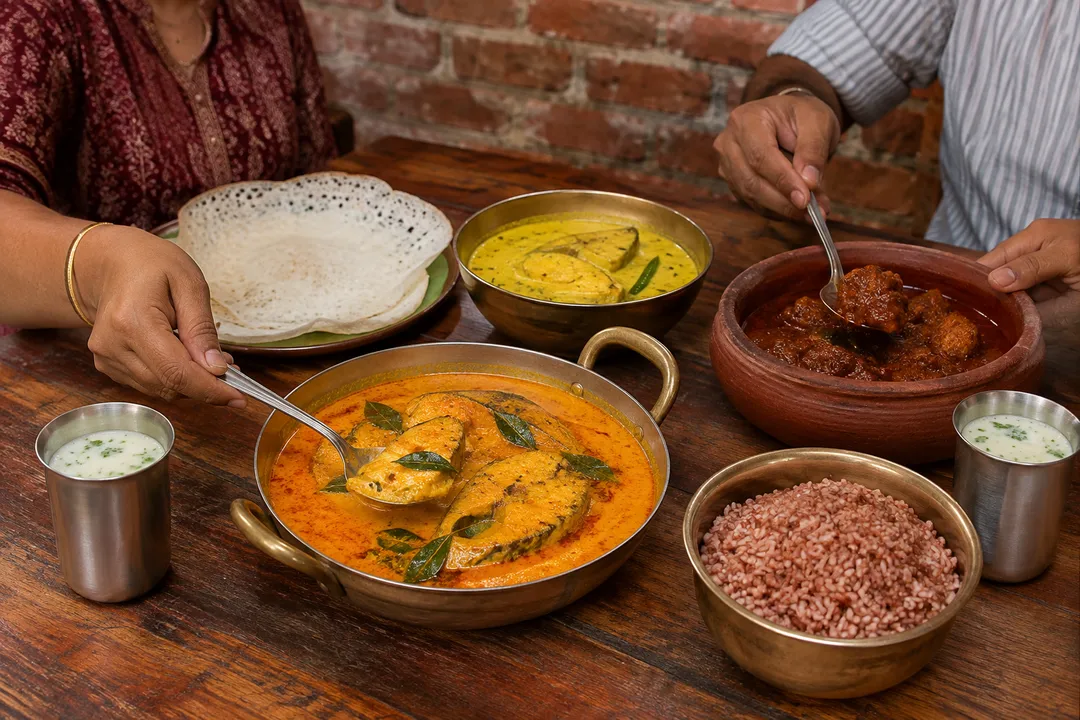
Start your tour in Kerala, on India's south-west coast. Kerala cooking is built on coconut in every form, from fresh grated flesh to thick coconut milk and fragrant coconut oil. Curry leaves, mustard seeds and black pepper appear in almost every dish. Look for a fish curry, often called meen curry, cooked in a sour, gently spicy gravy that gets its tang from dried kokum or tamarind.
Pair it with appam, lacy fermented rice pancakes that are crisp at the edges and soft in the middle, or with red rice, a nutty local grain. A vegetable thoran, finely chopped greens or cabbage stir-fried with coconut and mustard seeds, adds freshness. These dishes are lighter than many northern curries, and they show how much flavour can come from a few well-chosen ingredients cooked with care.
Goa: Vinegar, Chilli and Portuguese Echoes
Next, travel north up the coast to Goa, a former Portuguese colony with a cuisine shaped by both Indian and European traditions. Goan cooking uses vinegar, red Kashmiri chillies and garlic in ways you will not find elsewhere in India. The most famous dish is vindaloo, but the real version is very different from the fiery curry served in many British takeaways. It is sour, rich and aromatic rather than simply hot.
Try a pork vindaloo or a xacuti, a complex curry made with roasted coconut, poppy seeds and a long list of spices. If the menu offers a Goan prawn curry, order it too, since seafood is central to coastal Goan cooking. These dishes pair well with plain rice or a soft bread roll called pao, another legacy of Portuguese influence. One Goan dish at the table brings a deep, savoury note to the spread.
Bengal: Mustard, Fish and Gentle Sweetness
Finish your tour in the east with Bengali food. Bengali cooks love mustard in every form, from pungent mustard oil to ground mustard paste, and they cook river fish with real devotion. A mustard fish curry, sharp and slightly bitter, is one of the region's signature dishes. Bengali food also uses a spice mix called panch phoron, a blend of five whole seeds that gives vegetable dishes a distinctive, nutty aroma.
Look for a lentil dish cooked with panch phoron, or a mixed vegetable dish that balances sweet and bitter flavours. Bengali meals often include a little sweetness in savoury dishes, which surprises first-timers. Round off the lunch with a Bengali sweet such as mishti doi, a thick, caramel-like sweetened yoghurt. It is a gentle end to a meal that has taken you across a whole subcontinent.
Ordering a Regional Spread for Two or Three
With three or four dishes from three regions, you have a full tour on one table. For two people, choose one dish from each region plus rice, a bread and one vegetable side. For three, add an extra curry or a starter such as a dosa, a thin, crisp South Indian pancake with chutneys. Ask the kitchen to bring dishes together so you can compare flavours side by side rather than course by course.
Talk about the differences as you eat. Notice how Kerala's coconut feels soft and round, how Goa's vinegar cuts sharp and bright and how Bengal's mustard gives a nose-tingling kick. Taking a few notes on your phone or in a small notebook helps you remember favourites for next time. Food lovers often find that one regional lunch sparks a whole new interest, leading to cookbooks, markets and trips.
After Lunch: A Slow Walk Through Shad Thames
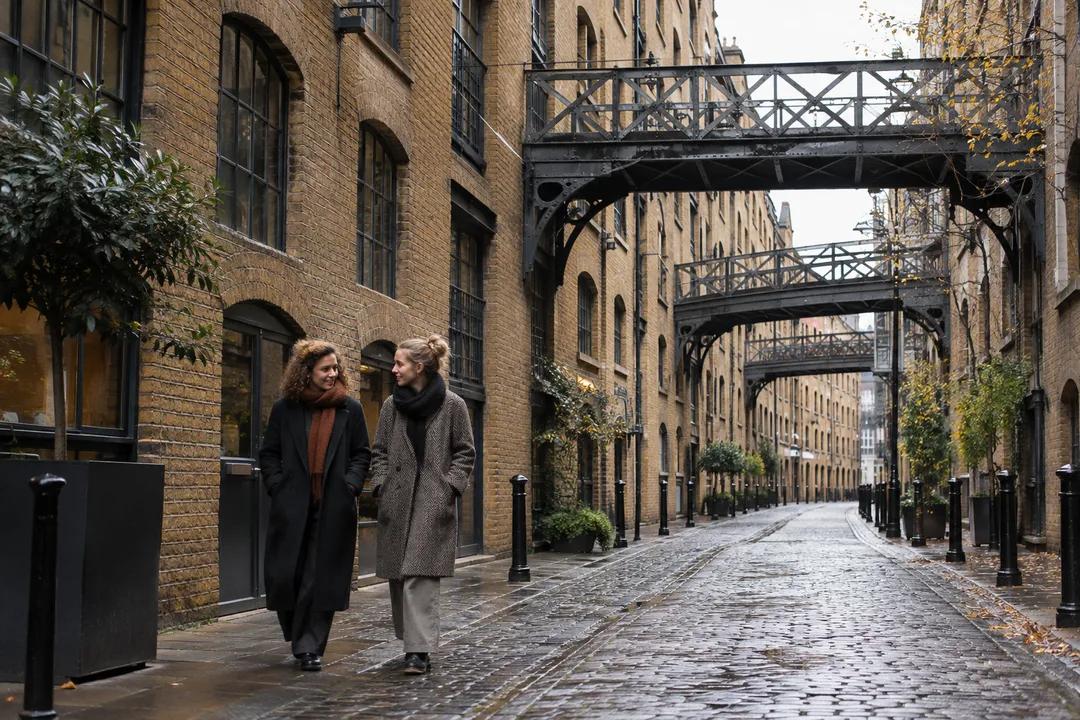
When you have finished, walk north toward the river and into Shad Thames. The narrow cobbled lanes run between tall Victorian warehouses that once stored tea, coffee, spices and other goods shipped from across the empire. Many of those spices came from the same regions whose food you have just eaten, which gives the walk a quiet resonance. Look up at the iron walkways that cross between buildings high above the street.
Follow the lanes down to the riverside path and take in views along the Thames. On a crisp autumn day, the light on the water and the old brick buildings is beautiful. If you still have room, stop for a coffee or a small pastry on the way, or head back toward the arches for one last cheese or sweet treat. It is a fitting end to a lunch about where flavours come from and how they travel.
Using Karpo APP for Your Regional Curry Tour
Regional Indian menus can feel daunting at first, and Karpo APP can help you plan. Tell it you are in Bermondsey and want to explore Kerala, Goan and Bengali dishes over a relaxed lunch, and it can suggest which kind of curry room fits your mood. Mention whether you prefer a modern small-plates room or a homely family kitchen, and it can steer you toward the right style.
Karpo APP is useful for the rest of the afternoon too. Ask for a walking route from lunch through Shad Thames and along the river, a market stall worth visiting before you eat or a quiet coffee spot afterwards. Plan it the morning of, while grazing along the arches, and arrive hungry and curious. A regional curry lunch in Bermondsey turns a familiar meal into a small voyage across India.
Ask Karpo for more information.
Keep reading
- Clapham Weekend Brunch Planner: Parkside Morning Cafes
 Hackney Weekend Brunch Planner: Canalside Roastery Tables
 Soho Weekend Brunch Planner: Historic Townhouse Tables