 Brixton Vintage Thrift Shop Finder: South London Retro Gems
Hidden Gems & Odd Finds
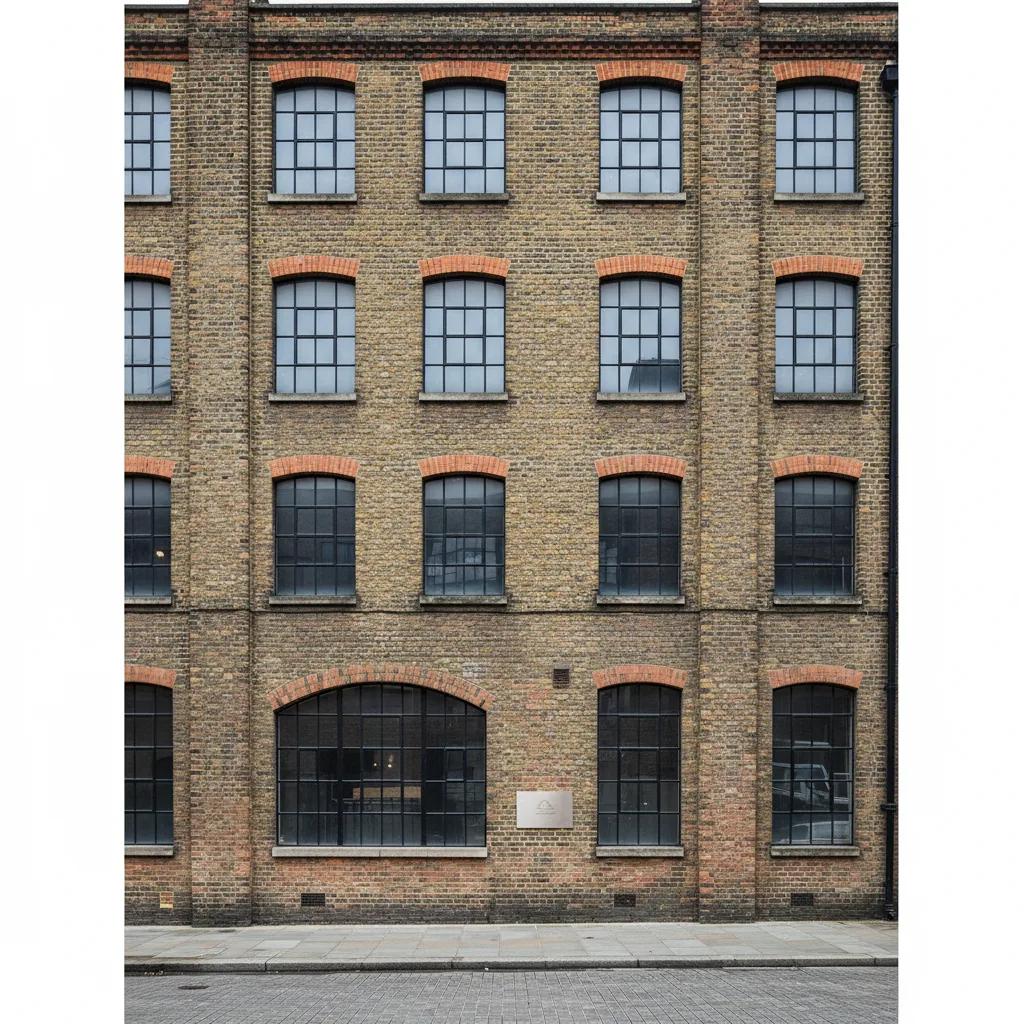
Shoreditch Curated Secondhand Clothing: 4 Archive Stops
Explore Shoreditch curated secondhand clothing across Brick Lane. Discover archival nineties designer rails and reworked workwear before weekend street crowds.
Shoreditch stands as Greater London's foremost crucible for curated secondhand clothing and specialized fashion archives. Wandering along the weathered red-brick masonry of Redchurch Street and through the former textile warehouses branching off Brick Lane, discerning shoppers encounter an exceptional density of independent vintage curators and private garment archives. Rather than sorting through unsorted bales of mixed charity castoffs, visitors here discover meticulously authenticated garments spanning avant-garde runway collections, rare Japanese selvedge denim, and rugged mid-century British workwear. Navigating this creative quarter during tranquil weekday mornings allows dedicated collectors to inspect hand-stitched labels, original metal hardware, and natural textile patinas without fighting energetic Sunday market crowds.

Deciphering Independent Concept Spaces and Hidden Basement Rails
The physical topography of Shoreditch vintage fashion centers heavily around converted Victorian warehouses and quiet subterranean ateliers. Stepping off the busy transit spine of Shoreditch High Street leads into quiet side lanes where discreet iron staircases descend into climate-controlled archive showrooms. Inside these minimalist concrete spaces, curators organize their inventory not by arbitrary generic modern sizes, but by fashion movement, textile weight, and historical design provenance. You will find dedicated racks highlighting nineties Belgian minimalism, early technical Italian outerwear, and distressed leather flight jackets preserved with museum-level archival care.
Independent archivists in this quarter maintain rigorous buying standards, sourcing directly from private European fashion estates, Tokyo vintage scouts, and decommissioned theatrical costume vaults. Every garment undergoes thorough authentication and conservation, with delicate French seams, horn buttons, and original metal zippers carefully restored using heritage needlework techniques. Toting your selections across polished timber floorboards under focused gallery spotlights, you immediately sense the profound distinction between commercial thrift retail and intentional fashion curation that treats garments as living historical artifacts.
Evaluating Heavy British Woolens and Reworked Heritage Canvas
A central pillar of the East London secondhand aesthetic is durable British tailoring and mid-century utility wear. Exploring the artisan corridors near Cheshire Street reveals collections dominated by dense Yorkshire tweed blazers, heavy waxed storm coats, and heavyweight indigo chore jackets. These rugged pieces carry genuine character earned through decades of authentic wear, exhibiting subtle sun-fading, natural whiskering, and gentle honeycombing behind the elbows that modern industrial stone-washing can never artificially replicate.
Skilled local makers frequently collaborate with neighborhood vintage boutiques to rework damaged vintage garments into contemporary silhouettes. A frayed nineteen-fifties railway worker jacket might receive contrasting sashiko reinforcement stitching or repurposed deadstock collar trims, converting surplus industrial textiles into wearable one-of-a-kind art. Examining the dense canvas weaves under natural daylight spotlights the extraordinary longevity of pre-synthetic textile craftsmanship, proving why sustainable collectors continually invest in heritage workwear.
Hunting Japanese Raw Denim and Deconstructed Runway Classics
Beyond heritage workwear, Shoreditch functions as an international epicenter for collectible Japanese denim and experimental runway fashion. Connoisseurs frequently travel here specifically to unearth early shuttle-loom denim jackets woven in Kojima, characterized by irregular slub yarn textures and natural plant indigo saturation. Knowledgeable showroom curators take immense pride in explaining the unique chain-stitching, hidden copper rivets, and bespoke shrinkage properties associated with each historic production lot.
Interspersed alongside denim rails are deconstructed avant-garde garments hailing from groundbreaking Paris and London runway presentations of the late nineties. Asymmetrical wool overcoats, draped bias-cut dresses, and modular military trousers hang with ample breathing room on blackened iron displays. Examining the interior care tags and production stamps confirms authenticity, allowing fashion historians and styling professionals to acquire landmark designer pieces far below their original retail valuations.
Timing Your Route Around Midweek Deliveries and Market Surges
Maximizing your vintage exploration across Shoreditch requires an understanding of the neighborhood's weekly operational rhythms. Midweek mornings from Wednesday to Friday between eleven and one o'clock offer the absolute prime window for focused browsing. Curators typically process fresh international buying shipments on Tuesday afternoons, meaning newly acquired designer grails hit the display rails immediately ahead of the weekend. Shopping during these unhurried daylight hours ensures quiet fitting rooms and personalized guidance from resident archivists who can share the exact provenance of individual archival garments.
Saturday and Sunday bring vibrant pedestrian energy as the outdoor stalls of Brick Lane and Old Spitalfields Market spill out into surrounding alleys. While the bustling atmosphere is thrilling to observe, interior boutique fitting rooms experience lengthy queues, and staff have limited time to discuss archival garment history. If your schedule requires a weekend trip, arriving promptly at eleven o'clock when shop doors first unlatch guarantees unhindered access to freshly stocked showcase racks. This proactive timing lets you examine delicate vintage knitwear and rare outerwear before narrow store aisles become packed with weekend casual visitors.
Exploring Nearby Artisan Cafes and Independent Gallery Corridors
A rewarding afternoon spent hunting secondhand clothing naturally weaves into Shoreditch's vibrant culinary and cultural ecosystem. Taking a pause along Redchurch Street provides opportunities to step into independent espresso bars that pull rich single-origin flat whites in airy Scandinavian-inspired interiors. Sitting near the window with your wrapped purchases offers an exceptional vantage point for observing East London's distinctive street style. You will spot local designers and art students effortlessly layering vintage workwear with contemporary footwear, providing spontaneous styling inspiration for the pieces you have just acquired.
From there, continuing your walking route toward Boxpark or the northern stretch of Shoreditch High Street reveals cutting-edge independent photography galleries and specialist art bookstores tucked behind quiet loading bays. Browsing rare fashion monographs and historic street-style periodicals provides rich contextual inspiration, reinforcing the artistic movements that gave birth to the vintage garments hanging in nearby boutique wardrobes. Engaging with these visual archives deepens your appreciation for garment construction, turning a shopping excursion into an immersive exploration of modern fashion culture.
Transit Directions and Seamless Route Planning with Karpo APP
Reaching the heart of Shoreditch's vintage shopping circuit is exceptionally convenient via Greater London public transport links. The most direct entry point is Shoreditch High Street station on the London Overground network, which places you within a three-minute stroll of key boutique clusters. Alternatively, traveling via the London Underground to Liverpool Street station provides a pleasant ten-minute walk northward through the historic avenues of Spitalfields. Bus routes serving Bishopsgate and Shoreditch High Street also run frequently throughout the day, connecting the neighborhood directly with Central and South London.
Utilizing modern mobile itinerary tools like the Karpo APP simplifies navigating Shoreditch's intricate network of hidden mews, courtyards, and basement showrooms. Pin your favorite concept boutiques, plot walking loops connecting Redchurch Street with Cheshire Street, and keep note of specific archival designer eras you wish to track down. Having your curated waypoints organized digitally prevents backtracking across crowded pedestrian zones and ensures you make the most of every shopping hour. For lovers of sustainable fashion, historic tailoring, and rare runway gems, Shoreditch remains an unmatched treasure trove.
Ask Karpo for more information.
Keep reading
- Brixton Vintage Thrift Shop Finder: South London Retro Gems
 Notting Hill Vintage Thrift Shop Finder: Preloved Rails
 Soho Vintage Thrift Shop Finder: West End Designer Archives