 South Bank Quiet Coworking Cafe Finder: Thameside Desks
Coffee & Dessert

Marylebone Croissant Bakery Crawl Planner for Pastry Nerds
A Marylebone croissant crawl for pastry nerds: taste plain butter first, read the crumb and shatter, move to almond and chocolate, then walk it off by the park.
Most people eat a croissant in four bites while checking their phone, and that is fine on a Tuesday. A Marylebone croissant crawl asks for something slower. The neighbourhood is compact, quiet on a Sunday morning, and full of bakeries and cafes that take lamination seriously, so it is a good place to treat pastry the way a wine lover treats a flight of glasses. This planner is written for the curious eater who wants to taste the difference between a good croissant and a great one, and who does not mind walking between stops to make room for the next. You will start plain, work up to filled pastries, take notes if you like, and finish with a long walk into Regent's Park while the flakes settle.
Why Marylebone Suits a Slow Tasting Crawl
Marylebone has the rare mix of a village high street and a grid of calm side lanes, which means you can move between bakeries without fighting crowds or traffic noise. Marylebone Lane curves away from the main street like an old stream bed, and the small streets around it hide cafes where a single pastry and a coffee is the normal order. That rhythm suits a crawl built on attention rather than volume.
The area also draws a Sunday farmers' market crowd, so the mood early in the day is unhurried and food minded. People carry string bags of apples and loaves, and nobody looks twice if you sit with a croissant and take it apart slowly. It is a neighbourhood where taking your pastry seriously feels normal, which makes the whole exercise more fun.
Set the Rules Before the First Bite
Decide on three or four stops and no more. A crawl that tries to cover six bakeries turns into a sugar slump by the third, and your palate stops noticing anything subtle. Share each pastry between two people if you can, or ask for a plain one cut in half, so each stop gives you a taste without a full portion.
Bring water and drink it between stops, because butter coats the mouth and dulls the next tasting. A small notebook helps too. Write down three words for each croissant: one for the outside, one for the inside and one for the taste. By the end you will have a little map of what you actually like, which is the real point of the morning.
First Stop: The Plain Butter Croissant
Always begin with a plain butter croissant, because there is nowhere for a weak one to hide. Look at it before you touch it. A well made croissant has a deep amber shell with clear, separate layers along the sides, and it should feel light for its size. If it looks pale or heavy, it was probably underbaked or the dough was rushed.
Now tear it gently across the middle rather than cutting it. The inside should open into a honeycomb of air pockets with thin, glossy walls, a little like lace. Listen to the shatter as you tear, then taste a piece from the crisp end and a piece from the soft centre. The contrast between the two is what you are learning to notice.
How to Read Crumb, Shatter and Butter
Three things separate good from great. The shatter is the sound and scatter of flakes when you bite, and a great croissant leaves crumbs on your coat. The crumb is the open honeycomb inside, which tells you the butter and dough stayed in clean layers during folding. The butter taste is the last clue, and it should be rich and slightly lactic rather than greasy.
Compare your second plain croissant directly with the first, ideally within twenty minutes, while the memory is fresh. You may find one is sweeter and darker while the other is paler and more savoury. Neither is wrong, and noticing which style you prefer is more useful than any ranking you might read online.
Second Round: Almond and Chocolate
Once you have tasted two plain croissants, move to the filled classics. An almond croissant is usually a day old croissant soaked in syrup, filled with frangipane and baked again with flaked almonds on top, so it is heavier and sweeter. Share one, and look for a crisp top with a soft, moist centre rather than a soggy base.
A pain au chocolat is a better test of lamination than people think, because the dough is rolled around dark chocolate batons and has to stay flaky around them. Tear it to see if the layers are still visible near the chocolate. If they are, the baker has real control, and that bakery is worth a return visit on a different morning.
Pace the Walk Between Bakeries
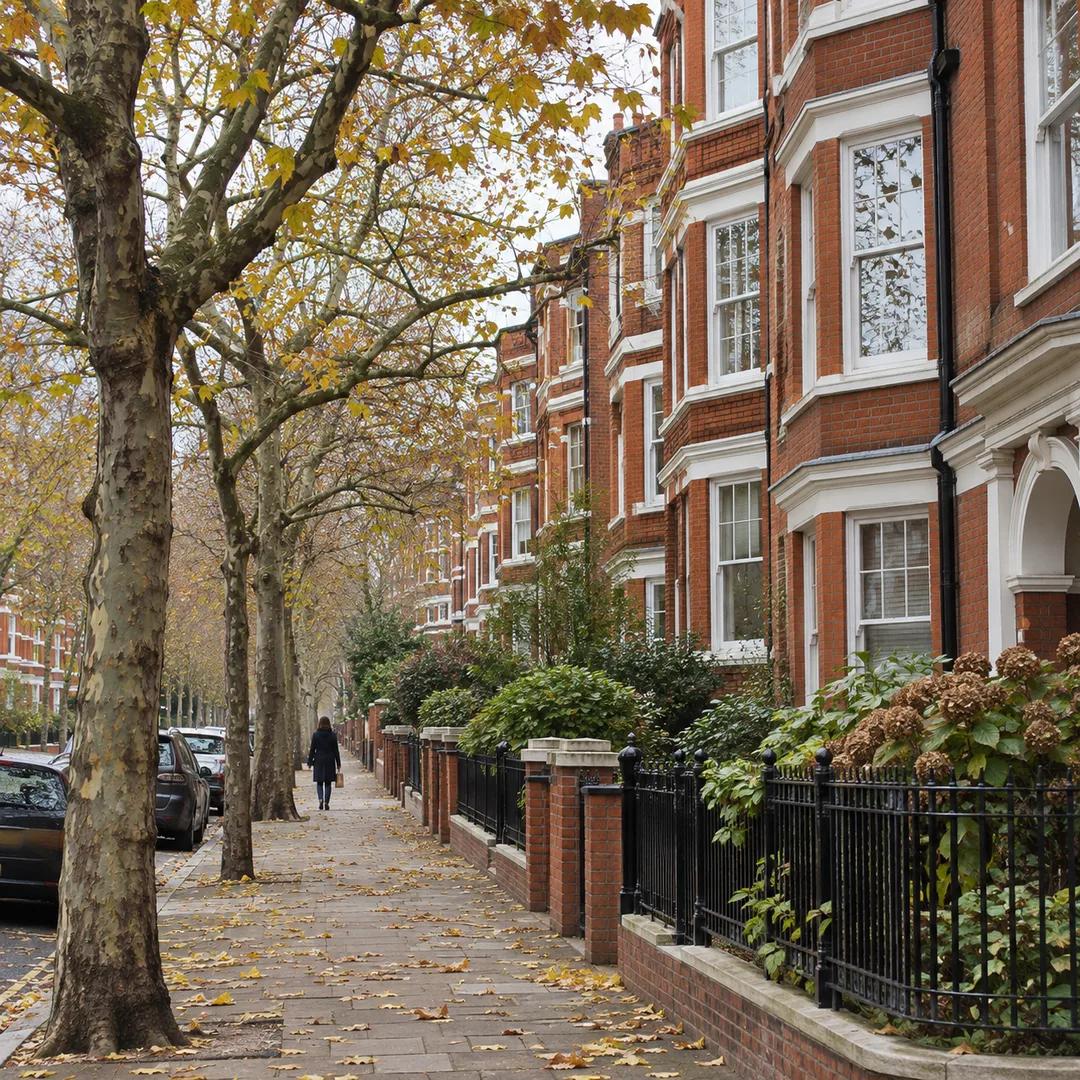
Leave at least ten minutes of walking between each stop. Wander down Marylebone Lane, look into the small independent shops along the high street, and cut through the side streets lined with red brick mansion blocks. The walking is part of the plan, because it resets your appetite and gives your notes time to settle.
Paddington Street Gardens is a quiet green pause in the middle of the crawl, with benches under tall trees that drop yellow leaves in November. Sit there with your third pastry wrapped in its paper bag, compare notes with your companion, and decide whether you need a fourth stop or whether you have already found your favourite.
What to Drink Alongside
Coffee matters more than you might expect on a croissant crawl. A strong milky drink at every stop will blur the butter flavours, so try a short black coffee or a filter at the first two bakeries. Save a flat white or cappuccino for the almond round, where the sweetness can stand up to milk.
If you are not a coffee drinker, a pot of plain black tea works well because its slight bitterness cuts through richness. Many people like to finish the morning with a hot chocolate, but it is better as a closing treat than a companion, since it competes with the pastry rather than framing it.
Finish With a Walk Into Regent's Park
When the tasting is done, walk north toward Regent's Park. In late autumn the avenues of trees turn copper and gold, and the boating lake is calm and grey in the morning light. It is the perfect place to walk off the butter and talk through which croissant won, which one surprised you, and which bakery you would send a friend to first.
Carry one plain croissant home in a paper bag for the next morning. Warm it for a few minutes in a hot oven and it will crisp up again, giving you one last chance to taste the difference between the crumb you noted on the crawl and the one on your kitchen table.
Planning Notes for Your Morning
Go early on a Sunday, when the neighbourhood is at its calmest and the first trays have just come out. Popular bakeries can sell out of plain croissants by late morning, so a crawl that starts after breakfast hours is a crawl of whatever is left. Wear a coat you do not mind getting flakes on, and bring a tote bag for anything you want to take home.
Keep the group small, two or three people is ideal, so you can share each pastry and still talk at a small cafe table. A crawl like this is less about collecting stops and more about training your taste. Done well, it changes the way you look at every croissant you eat afterwards.
Ask Karpo for more information.
Keep reading
- South Bank Quiet Coworking Cafe Finder: Thameside Desks
 Hackney Quiet Coworking Cafe Finder: Sunlit Studio Desks
 Fitzrovia Quiet Coworking Cafe Finder: Central Study Nooks