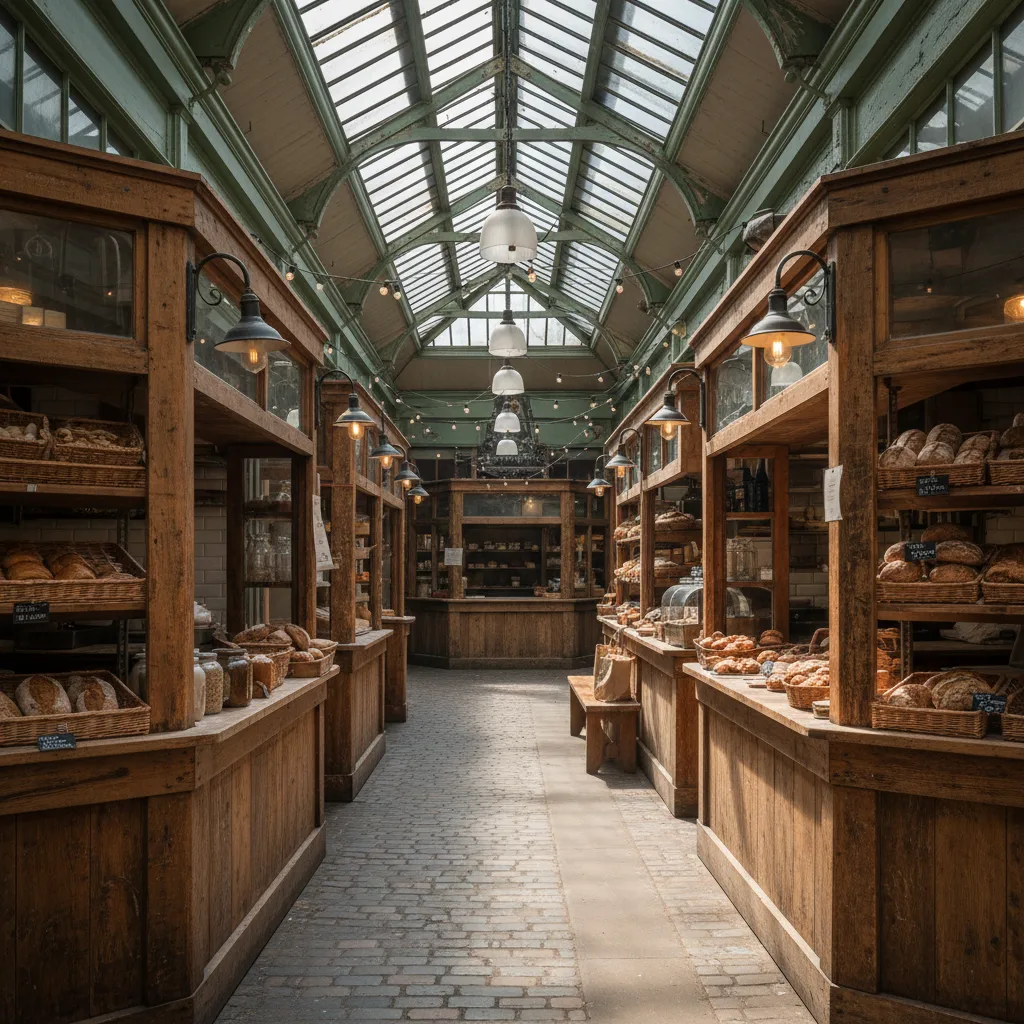
 Brixton Sourdough Bakery Crawl: Covered Market Ovens
Coffee & Dessert

Islington Croissant Bakery Crawl Planner for French Expats
Islington suits a French expat's croissant crawl: judge each bake like a Paris boulangerie, then walk Camden Passage and the canal between stops.
Every French person in London has said it at least once: you cannot find a proper croissant here. Islington is a good place to test that claim. Upper Street, Camden Passage and the streets around Angel have a growing number of bakeries run by people who trained in France or learned lamination from those who did, and the neighbourhood is home to plenty of French families, students and professionals with exacting standards. This croissant bakery crawl planner is for them, a route that lets you judge London pastry by the rules you grew up with.
The Rules You Bring From Home
In France, the first thing you check is the shape. A straight croissant traditionally signals one made with butter, while a curved crescent was once the clue for margarine, and many Paris bakers still follow that code. In London the distinction is less strict, so do not judge on shape alone. Ask instead whether it is pur beurre, all butter, and watch for a shrug. Bakers who care about this always know the answer immediately and are usually pleased you asked.
The other rules travel well. The crust should crackle and drop flakes onto your coat. The inside should look like a honeycomb, not a sponge. It should taste of butter and slightly caramelised dough, not of sugar. Bring these expectations to every stop on the crawl and score each croissant honestly. The aim is not to prove London wrong, but to find the one counter you would happily walk to every Sunday.
How to Plan a Morning Around Angel
The crawl works best on a weekend morning, starting near Angel station and drifting north along Upper Street and its side streets. Islington wakes up gradually, with runners heading to Highbury Fields and families with prams out early. Before you set off, use the Karpo APP to save a handful of bakeries within walking distance, and ask it specifically for French-style boulangeries or bakeries known for laminated pastry so you are not wasting stops on supermarket-style croissants.
Keep it to three stops. In Paris you would buy one croissant and walk on, and the same discipline helps here. Eat half at each stop and save the other half in its paper bag. By the end of the morning you will have three halves side by side to compare at home or on a bench, which is the fairest test, because memory always flatters the first croissant you ate when you were hungry.
Stop One: The Classic Plain Test
Choose a bakery near Angel for your first stop and order the plain croissant and a cafe creme, or the closest thing on the menu. London cafes often serve a flat white or a latte instead, so if you want something like the coffee at home, ask for a small milky coffee in a cup rather than a tall glass. Sit by the window if you can. Watching the bakers through a glass partition, if the counter has one, tells you a lot about the place.
Tear the croissant rather than biting into it. Look at the cross-section: tall, open layers, a thin shiny crust and a slightly bronze colour mean someone took their time. If it is pale and soft, it was probably baked from frozen or pulled too early. Neither is a disaster, but it is not the London croissant you are looking for, and it is fine to say so to your friends in French at the table.

Wandering Camden Passage Between Stops
Just off Upper Street, Camden Passage is a narrow pedestrian lane of antique shops, vintage dealers and small boutiques, with stalls that set up on certain days of the week. It is the part of Islington that most reminds visitors of a little street in the Marais, and it is a pleasant place to walk off your first croissant. Browse old prints, silverware and costume jewellery and think about how you scored that first bake.
Many French expats say Camden Passage is where they first felt at home in London, because the pace slows down and people stop to talk to shopkeepers. If you are with a friend from home, this is the moment to argue about croissants properly. The lane is also an easy place to find with the Karpo APP if you have wandered too far along Upper Street and need to reset the route.
Stop Two: Viennoiserie Beyond the Croissant
Your second stop is where you test the rest of the viennoiserie. In France you would judge a bakery as much by its pain au chocolat, which Londoners usually call a chocolate croissant, and by its pain aux raisins. Order one of these alongside a second plain croissant if you can manage it. The chocolate batons should be dark and slightly bitter, the dough should flake like the croissant, and the pastry should not be heavy with sugar syrup.
This is also where London bakeries often surprise French visitors. Some add seasonal twists you would rarely see in Paris, such as cardamom, black sesame, miso or brown butter. Try one. You may decide it is not a real croissant, but you might also find something you write home about. The honest verdict is often that London bakers are bolder, while Paris bakers are more consistent.
Stop Three: A Canal Bench and the Final Verdict
End the crawl south of Upper Street, near where the Regent's Canal comes out of the Islington Tunnel at Colebrooke Row, with the towpath running on towards City Road Basin. Pick a final bakery a few minutes from the water, buy one last croissant, and carry your three halves to a bench by the canal. Narrowboats, cyclists and dog walkers pass at a gentle pace. It is the quietest place in the area to lay everything out and decide on a winner.
Give each croissant a score for crust, crumb and taste, and be strict. If none of them would survive comparison with your favourite bakery at home, that is still a useful result. You now know which counter to skip and where to try next time. If one of them made you forget, just for a second, that you are not on a Paris street, you have found your Sunday bakery in London.
Practical Notes for the Homesick
Go early. The best croissants in Islington sell out on weekend mornings, and the queues outside the most popular counters can stretch onto the pavement. If you find a long line, it is worth asking the Karpo APP for a smaller bakery a few streets away rather than waiting in the cold. Bring a tote bag for the paper bags and a few napkins, because butter has a way of getting everywhere.
If you are bringing visiting family from France, keep the crawl to two stops and add a walk through Highbury Fields or along the canal so the morning feels like more than a pastry exam. Parents and grandparents tend to be the harshest judges, so let them choose the final stop. And if they declare one croissant almost as good as the ones at home, take a photo of their face. That is the highest praise you will ever get.
Ask Karpo for more information.
Keep reading
- Brixton Sourdough Bakery Crawl: Covered Market Ovens
 Hackney Sourdough Bakery Crawl: Broadway Market Loaves
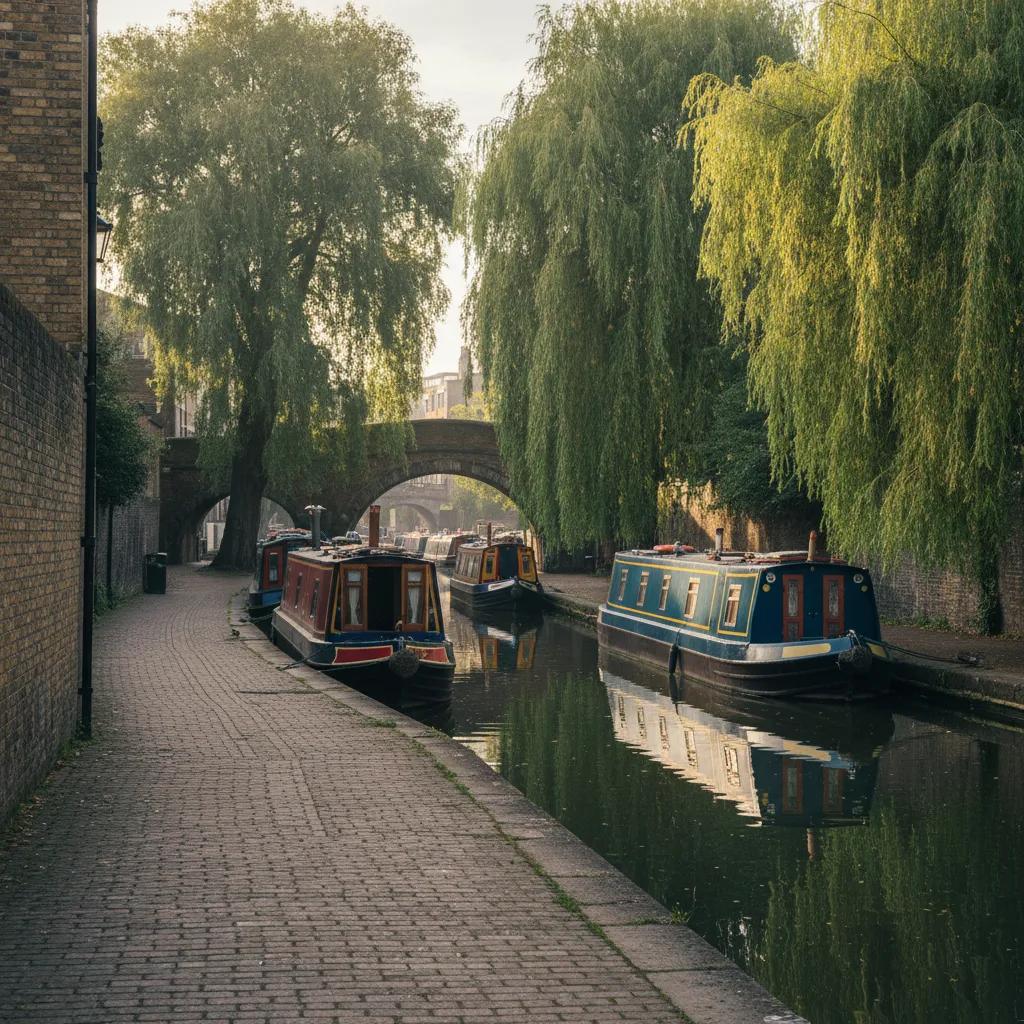 Islington Sourdough Bakery Crawl: Canal Towpath Mornings