 Brixton Vintage Thrift Shop Finder: South London Retro Gems
Hidden Gems & Odd Finds
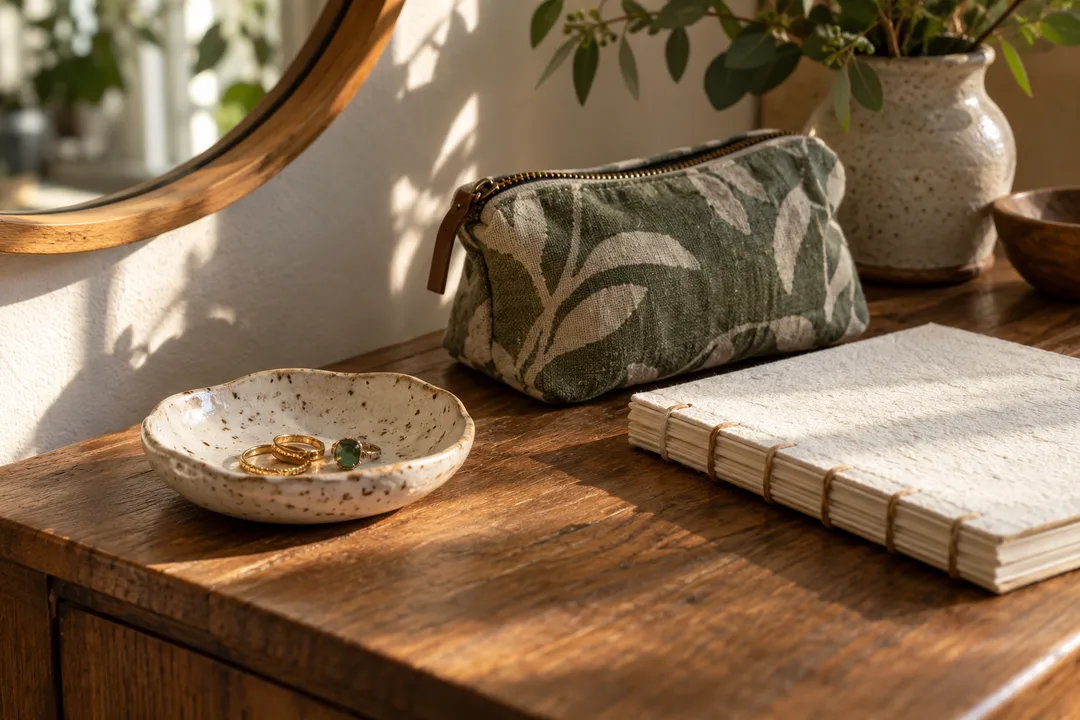
London Craft Class Shortlist: Make Something You Will Use
Shape a London craft class shortlist around an object you will use, weighing design freedom, finishing steps, collection arrangements and the journey home.
The appealing project is not always the object you want to live with. When you build a London craft class shortlist around a take-home piece, begin with where that piece would go: inside your bag, beside your keys, on a shelf or into a gift box. That small decision changes the questions worth asking. You can compare dimensions, design choices and finishing arrangements against a real purpose, instead of choosing the most impressive photograph and discovering afterwards that the result has no place in your day.
Find an empty role before choosing an object
Look around your home for a modest job a handmade item could do. Perhaps loose jewellery needs a resting place, your notebook needs a cover or small travel essentials need a pouch. These are possible uses, not claims about any workshop's products. Pick one role that matters to you. A class can still be enjoyable without producing something practical, but if usefulness is your aim, it deserves to lead the choice rather than appear as an afterthought.
Be specific about the space available. A decorative piece for a narrow windowsill raises different questions from an object you want to carry to work. Write down any important dimensions using your own measurements, then compare them with the project information supplied by the provider. Do not estimate scale from a close-up image. If the finished size is essential and the listing does not give it, that question belongs near the top of your enquiry.
Separate learning a technique from ordering a product
A workshop is a chance to make decisions and practice actions. It is not a commission for a factory-perfect object. Think about which imperfections would feel charming and which would prevent the item doing its intended job. An uneven decorative edge might be welcome, while a closure that does not work would undermine a pouch. Ask how the teaching addresses the functional parts of the project, without assuming that every participant receives an identical result.
Consider whether you want to repeat the process later. A one-off decorative experience may suit a gift outing, whereas learning a reusable technique may matter more for a personal hobby. The project can serve as a record of the skill rather than the whole reason to attend. This distinction helps when comparing a lesson built around decorating a supplied item with one in which participants construct an object from basic materials. Both can be valuable for different purposes.
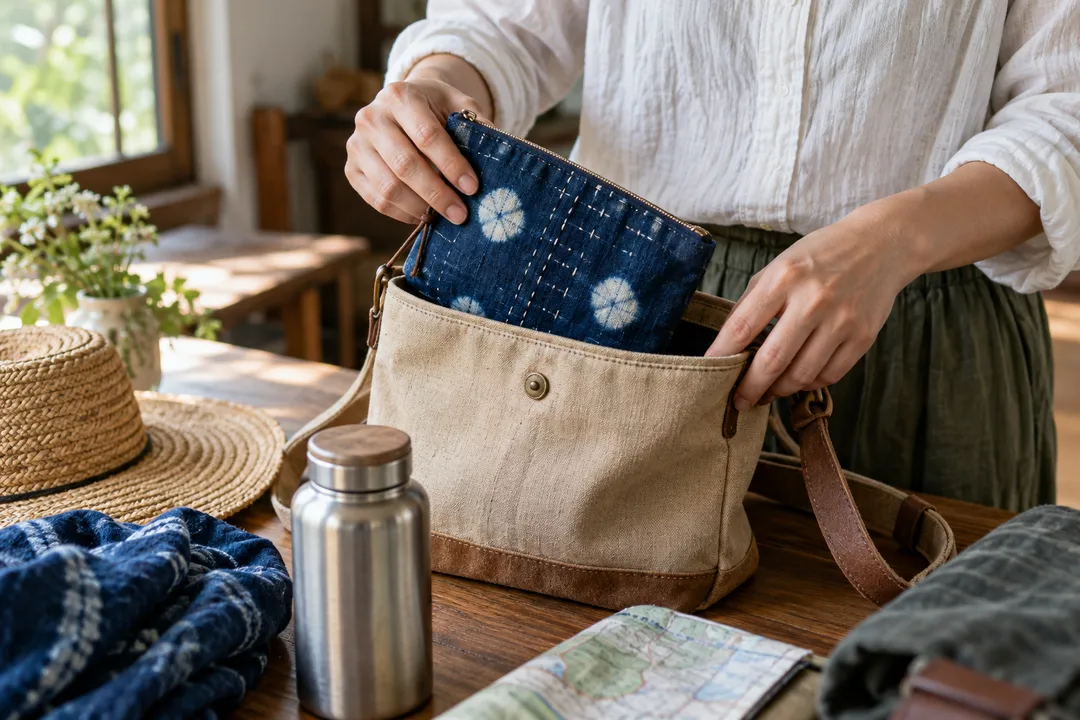
Ask how much design belongs to you
A finished sample suggests a style, but it does not establish the choices included in a booking. Find out whether participants select colours, alter a pattern or follow a single design. If matching your room matters, ask about the available palette rather than assuming every shade in a gallery is offered at every session. Record what the organiser actually describes. Your shortlist should distinguish an advertised option from a design you are merely hoping to make.
Freedom also carries a decision cost. A tightly defined project can be satisfying when you want someone else to organise the sequence. An open brief may be exciting if selecting shapes and materials is part of the pleasure. Neither is a measure of artistic seriousness. Choose the amount of choice you would enjoy on that particular day, especially if you are attending after work and would rather spend your energy learning a process than designing from scratch.
Follow the project beyond the final demonstration
The end of the class and the moment an object is ready to use are not necessarily the same. Ask about any finishing, drying, firing, assembly or other aftercare relevant to the advertised activity. This is a list of possible stages to investigate, not a statement that every craft needs them. A listing that explains what leaves with you and what remains with the studio gives you a clearer picture of the full experience.
If collection or delivery is involved, include that arrangement in the comparison. A second journey may be easy near home and awkward across the city. Delivery might suit you only if the provider offers it and the terms fit your plans. Do not turn an unspecified collection date into a promise that a piece will be ready for a birthday. When timing matters, obtain an explicit answer about that project before treating it as a gift solution.
Give the journey home a place in the decision
Picture carrying the finished piece alongside your ordinary belongings. A flat paper project and a bulky object pose different practical questions. You might want packaging, room in a bag or a simple route home without other stops. Ask what transport protection is supplied when that matters. Avoid assuming the studio has spare boxes or that an object shown standing on a table will be comfortable to carry through an evening of other activities.
This is also a reason to keep the surrounding plan modest. If you expect to leave with something delicate, making the workshop your final stop could be more comfortable than adding a crowded event afterwards. If nothing comes home that day, you have more flexibility. Let the actual collection arrangement shape the outing. You do not need to abandon an interesting class because of logistics, but you should understand the logistics before making it the centre of a longer itinerary.
Build a comparison around everyday value
For each candidate, write one sentence linking the project to its role: where it will live, how you will use it and what you hope to learn while making it. Add the documented dimensions and completion arrangement separately. This prevents a long list of attractive objects from obscuring your purpose. A useful alternative should offer a different solution to the same need, rather than simply repeat the leading option with another colour or a slightly different promotional image.
Use Karpo APP to turn that purpose into a planning request. For example: “I want a London craft class where I make something useful for a small flat. Help me compare a compact storage project with a decorative desk object. I care about design choices, finishing steps and taking it home comfortably.” Include any candidate links and ask which missing details would change the decision. This frames the conversation around your priorities without implying that a recommendation confirms the provider's arrangements.
Practical Notes for keeping or giving your piece
Before committing, establish what is included in the project, whether any later work or collection is required and which care instructions the organiser provides. For an object intended to touch food, hold liquids or bear weight, seek explicit guidance for that use. A photograph cannot establish suitability. If the provider does not describe the use you need, choose a different purpose for the piece or another class, rather than guessing from its shape.
For a gift, make room for the recipient's taste and the uncertainty inherent in learning. A thoughtful handmade object can carry the story of an afternoon without having to look professionally manufactured. For yourself, leave the piece somewhere you will encounter it. That daily contact can remind you which parts of the process you enjoyed. Your next shortlist in Karpo APP can then start with a real preference: more colour, a different material or another small object with a clear job to do.
Ask Karpo for more information.
Keep reading
- Brixton Vintage Thrift Shop Finder: South London Retro Gems
 Notting Hill Vintage Thrift Shop Finder: Preloved Rails
 Soho Vintage Thrift Shop Finder: West End Designer Archives