 Brixton Vintage Thrift Shop Finder: South London Retro Gems
Hidden Gems & Odd Finds
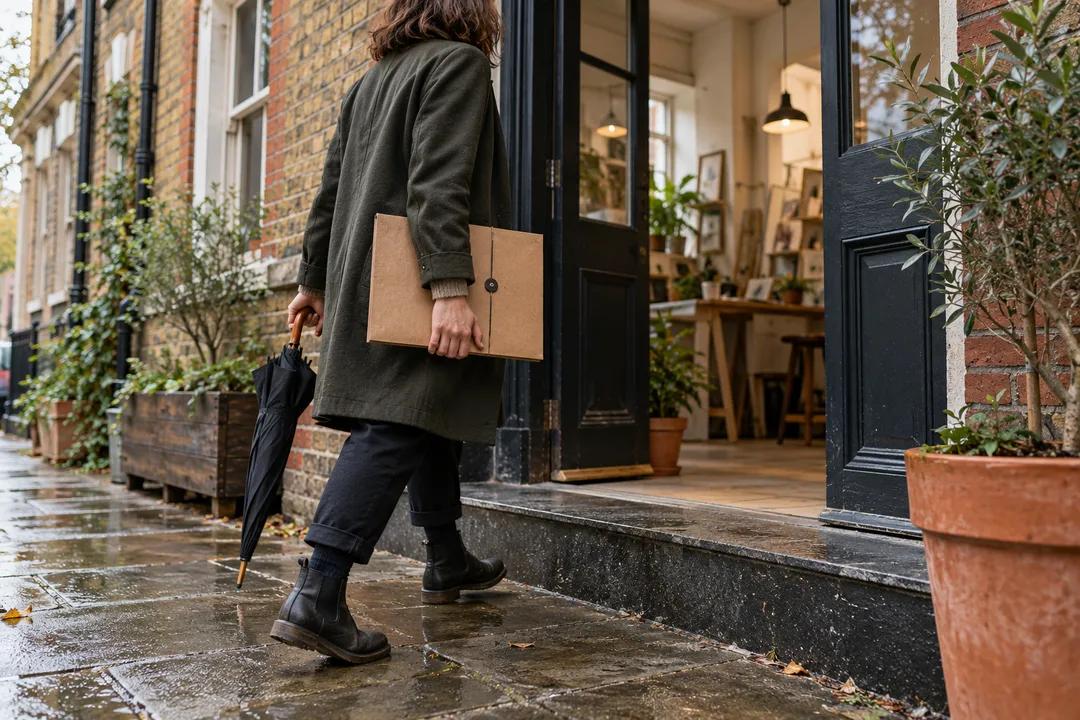
London Craft Class Shortlist: Fit Making Into Your Day
Make a London craft class shortlist fit your actual day, comparing start points, arrival margins, return journeys and collection trips before choosing.
A workshop can fit your calendar and still be awkward to reach. Your London craft class shortlist should account for where you will actually be before the session, what you need to carry and where you want to finish the day. The nearest option on a map is not automatically the easiest outing. Build the journey around your own starting point and available time, then compare classes that make sense within that frame. This is a planning method, not a list of verified transport times or bookable sessions.
Should I search from home or from work?
Use the place you will leave from on the chosen day. For an evening class, that could be your workplace rather than your home postcode. For a weekend outing, it might be a friend's house or another planned activity. Write down the earliest realistic departure and the latest comfortable return. These are your personal constraints. Keeping both ends visible stops an attractive start time from distracting you from the journey that follows the class.
If your starting point is uncertain, compare two versions of the outing instead of combining them into an imaginary average. A session might be convenient from work and inconvenient from home, which could make it a weekday option only. You can ask Karpo APP to help frame those alternatives using the information you provide. Keep the scenario explicit so that a recommendation for one day is not accidentally treated as a sensible route for every occasion.
What belongs in the time budget?
Count the whole outing: leaving your starting point, travelling, locating the entrance, settling in, participating and getting to your next destination. Use the provider's joining instructions for any requested arrival time. Add a personal margin that suits your comfort with unfamiliar journeys. A suggested buffer is a planning choice, not an assertion about traffic, transport reliability or how long a particular London route will take. Do not attach false precision to a journey you have not assessed.
Think about the transition from work to making as well. You may want time to eat, change clothes or put away a laptop before handling materials. Someone travelling with a large bag may need information about storage. Another person may be happy to arrive directly from a nearby errand. Neither approach is inherently better. The useful question is whether your plan gives you a comfortable start without relying on the class accommodating a late arrival.

How should I compare neighbourhoods?
Start with a practical travel boundary rather than a list of fashionable areas. You might prefer a direct journey, fewer changes or a manageable final walk. Describe which of those matters most. A wider radius with an uncomplicated route could suit you better than a geographically close location with an awkward connection. This is a comparison principle, not a claim about any particular pair of London districts. Assess the actual venue address once you have a real candidate.
For two people starting in different places, compare the burden on each person rather than choosing a point halfway between postcodes. A geographic midpoint can conceal very different journeys. Ask each participant for their maximum comfortable travel effort and any access requirements, then consider options that meet both. If one person takes the longer trip this time, make that a conscious agreement. It should not disappear inside a group message that simply calls a place convenient.
Is the final walk part of accessibility?
Yes, the route between transport and the studio matters to the whole experience. If stairs, walking distance, standing or carrying materials affect your choice, make those requirements explicit. A venue's general accessibility statement may not answer every question about the entrance and the teaching room. Seek the specific information you need from the relevant provider or transport service. Avoid assuming that a short map distance describes an easy journey for every participant.
Think about the return separately. You may leave with an object, packaging or clothing you would rather keep dry. The outward route can feel simple with empty hands and less comfortable afterwards. Ask what, if anything, participants take home that day and how it is packaged. If the activity involves a later collection, count that as another journey in the decision. An attractive single-session plan can become a different commitment when collection is included.
Can I add another stop nearby?
Add a second activity only after the workshop and travel plan work on their own. A quiet meal or a short walk might be welcome, but it should not require rushing the final stages of making. Decide whether the class is the anchor of the day or one small part of it. That choice affects how much flexibility you need afterwards. Avoid booking a tightly timed next event until you understand the session's advertised finish and departure arrangements.
Keep an optional stop genuinely optional. If you are tired, carrying a delicate piece or ready to head home, the outing can end after the class. This gives you a plan that works even without an ideal sequence of connections and activities. It also makes group decisions easier: people can attend the shared workshop and choose separately whether to continue. A good afternoon does not need every participant to commit to the same complete itinerary.
What should I ask Karpo to compare?
Give Karpo APP an itinerary brief with your real constraints. For example: “Help me build a London craft class shortlist for an evening after work. I want an individual project, a straightforward journey from my starting district and time to eat beforehand. Compare the travel trade-offs and show which class details I still need.” Supply the day, starting area and personal finish limit. If you have candidate links, include them where sharing is available in the APP.
Ask for explanations that you can use, such as why one candidate suits your departure point or why another would fit a weekend better. Keep estimated travel information distinct from provider instructions and your own buffer. A planning suggestion does not confirm a transport service, hold a course place or complete a booking. The next step is choosing a suitable session and using the organiser's booking route, with the practical questions that matter to you already identified.
Practical Notes: what makes the final cut?
Retain a preferred class only when the session itself and the complete journey fit. Keep the provider's actual location, joining instructions and booking conditions together once you have them. Save one alternative that solves a different scheduling problem, such as a weekend session instead of another rushed evening. There is little value in maintaining several candidates that all fail the same departure constraint. A shorter, usable list is a better result than a large collection of attractive links.
Before the outing, use the relevant transport operator's published information for the service you intend to take and follow any instructions attached to your booking. Afterwards, note whether the journey felt comfortable and whether you had enough room around the session. Those observations can inform your next request without becoming a rule for every future trip. The purpose of the shortlist is to make an interesting craft experience fit the day you actually have, with enough space to enjoy being there.
Ask Karpo for more information.
Keep reading
- Brixton Vintage Thrift Shop Finder: South London Retro Gems
 Notting Hill Vintage Thrift Shop Finder: Preloved Rails
 Soho Vintage Thrift Shop Finder: West End Designer Archives