 Brixton Vintage Thrift Shop Finder: South London Retro Gems
Hidden Gems & Odd Finds
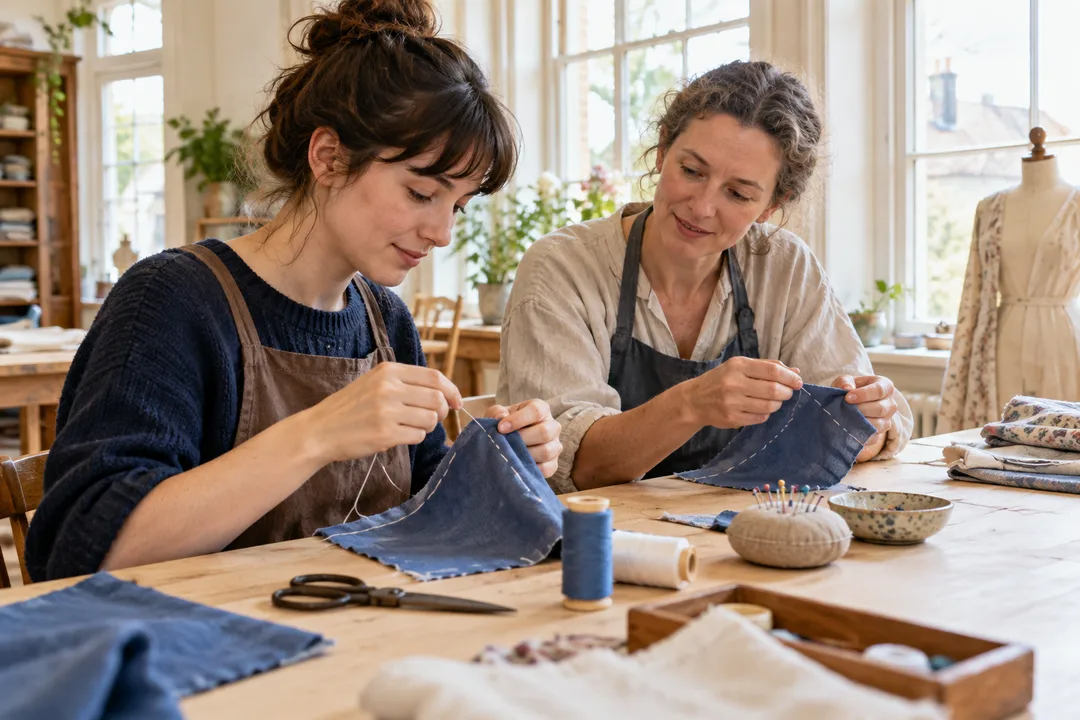
London Craft Class Shortlist: 5 Ways to Start Well
Build a London craft class shortlist around materials, teaching pace and a manageable first project, with clear questions to help you choose your introduction.
A first craft class can look welcoming in a photograph and still move faster than you want. Build your London craft class shortlist around how you learn: watching a complete demonstration, trying a small action, getting feedback, then repeating it. The useful question is not whether you are creative enough. It is whether the session makes room for a person who has never threaded that needle, handled that material or followed that process before. Start with the experience you want to have at the table.
Name the bit that feels unfamiliar
Begin by describing your hesitation in ordinary language. Perhaps you worry about falling behind, dislike sticky materials or cannot tell whether a beautiful sample was made by a tutor rather than a first time participant. These concerns lead to different choices. A patient introduction to one technique may suit someone anxious about instructions, while a session with several material samples may appeal to someone who simply has not found a medium they enjoy touching.
Write a brief with one learning goal and one comfort requirement. For example, you might want to learn a basic stitch while sitting at a table where questions are welcome. Another person might prefer making a paper object without needing to draw. These are hypothetical preferences, not descriptions of particular London classes. Keeping them specific gives you a fair basis for comparing listings that use broad words such as beginner, introductory or relaxed.
Read the process behind the pretty sample
Look for an explanation of what participants actually do. A photograph of a finished pouch does not tell you whether you cut the fabric, sew the seams or decorate a prepared shape. Each format can be satisfying, but they teach different things. Record the starting material, the actions you perform and the support described. A clear sequence is more useful for your first attempt than a long gallery of polished objects with no explanation of their making.
Treat missing details as questions for the organiser, rather than filling the gaps yourself. Ask whether the teacher demonstrates each stage, whether everyone advances together and what happens if you need another attempt. An answer about the teaching method tells you more than a promise that the class is suitable for everybody. Keep the exact response alongside the class link so that an appealing photograph does not gradually replace the practical information in your decision.
Choose a material you want to meet
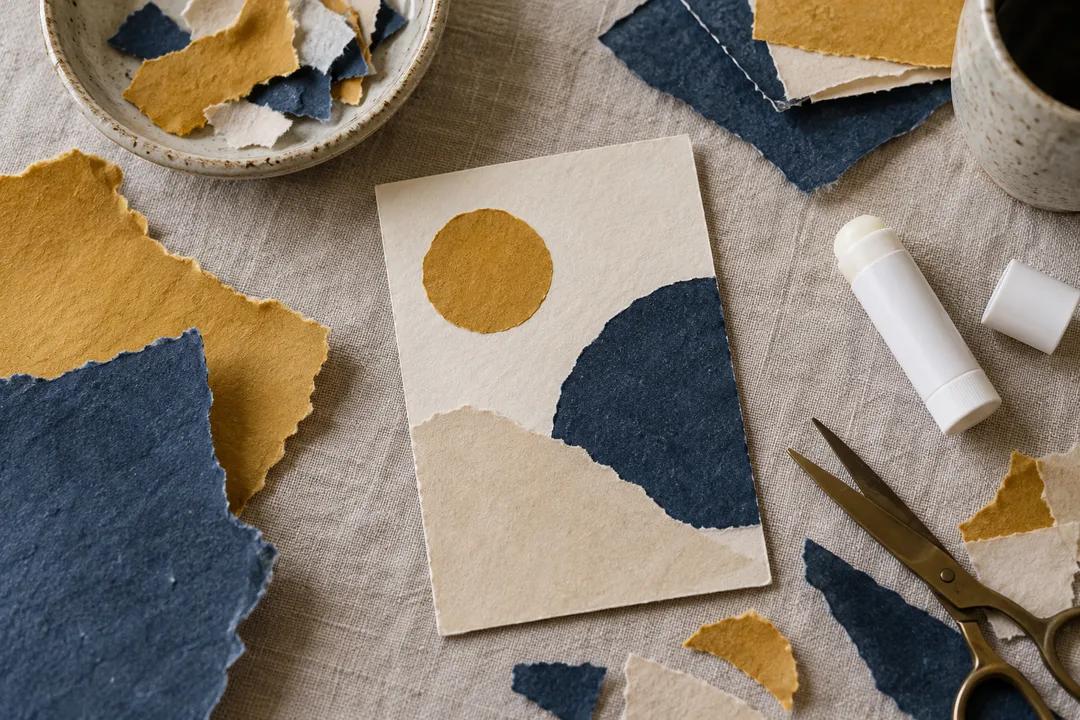
Think about sensation as well as appearance. Would you enjoy pulling thread through cloth, arranging paper shapes or shaping a soft material with your hands? You do not need a scientific explanation for a preference. If getting messy sounds distracting rather than fun, give that preference weight. If tiny repeated movements are tiring, describe that too. The aim is to choose a comfortable introduction, not to prove that you can tolerate every type of making.
Separate a dislike from an access requirement. A colour preference can be flexible, while a material allergy or a need for adapted equipment deserves a direct answer from the provider. Avoid assuming that a general accessibility label answers every question about grip, seating, vision or pace. Describe the particular task you need support with. A shortlist can leave a candidate pending until you have enough information, without treating uncertainty as either acceptance or rejection.
Leave space for a second attempt
Pacing is not simply the advertised duration. A short session built around one repeated motion could feel manageable, while a longer workshop with several unfamiliar tools could feel demanding. Compare the number of stages, the amount of independent work and the opportunities to pause. Ask where practice fits into the lesson. If the only described outcome is a perfect finished object, you still need to understand how a newcomer reaches that point.
Choose what success would look like before you choose a class. It might be making a recognisable shape, understanding how to correct a stitch or leaving with a technique you can explain to a friend. None requires matching the promotional photograph exactly. This makes it easier to compare a tightly guided project with a more exploratory lesson. You can value a useful learning experience even when the object has an uneven edge or a colour combination you would change next time.
Compare complete attendance costs
Use your own spending ceiling as a filter, and label it as your budget rather than a quoted class price. For each candidate, separate tuition, compulsory materials and any optional extras described by the organiser. Do not assume that the word workshop includes every tool or that a supplied kit belongs to you afterwards. A short list with clear inclusions is easier to act on than one ranked by a headline amount whose meaning you have not established.
Also consider what you would need to buy after the lesson if you wanted to continue. This is a question about your intended next step, not a reason to purchase equipment immediately. You may prefer a class that lets you experience a specialist process once, or one that introduces a simple activity you could repeat at home. Both are valid. Mark which purpose each option serves, then decide whether that purpose matches the learning goal you wrote at the start.
Give Karpo a teaching brief
Open Karpo APP and ask for help narrowing your London options using the preferences you have already identified. A useful request could say: “Help me make a craft class shortlist for a complete beginner. I prefer paper or fabric, patient demonstrations and a small project. I want to understand the materials included and the pace of the lesson.” Add your available day, starting area and personal budget, then ask for a concise comparison rather than an unexplained ranking.
Bring any class links you are considering into your request where the APP supports sharing them. Ask for the reason each candidate fits and the information still needed to decide. Treat a suggested option as something to evaluate, not a confirmed place on a course. This page does not represent a booking or a live list of spaces. The provider's own booking process is the point at which dates, inclusions and your participation are established.
Practical Notes for your first session
Before paying, resolve the few details that determine whether you can take part: the exact session, required experience, materials, access arrangements and cancellation terms. Keep the booking confirmation somewhere you can retrieve it during the journey. If you need to ask a question about clothing or bringing equipment, use the organiser's instructions rather than a generic craft checklist. Different activities call for different preparation, and unnecessary purchases can make a simple first outing feel more complicated than it needs to be.
End with one preferred class and one meaningful alternative. The alternative might use a different material or offer a slower style of instruction, rather than being the same idea in another postcode. After the class, note the part you enjoyed and the part that felt rushed. Those observations make your next request in Karpo APP more personal. Your first choice only needs to help you discover how you like making things, one clear step at a time.
Ask Karpo for more information.
Keep reading
- Brixton Vintage Thrift Shop Finder: South London Retro Gems
 Notting Hill Vintage Thrift Shop Finder: Preloved Rails
 Soho Vintage Thrift Shop Finder: West End Designer Archives