 Quiet Marylebone Irish Coffee Bar Night Picker in London
Bars & Nights Out
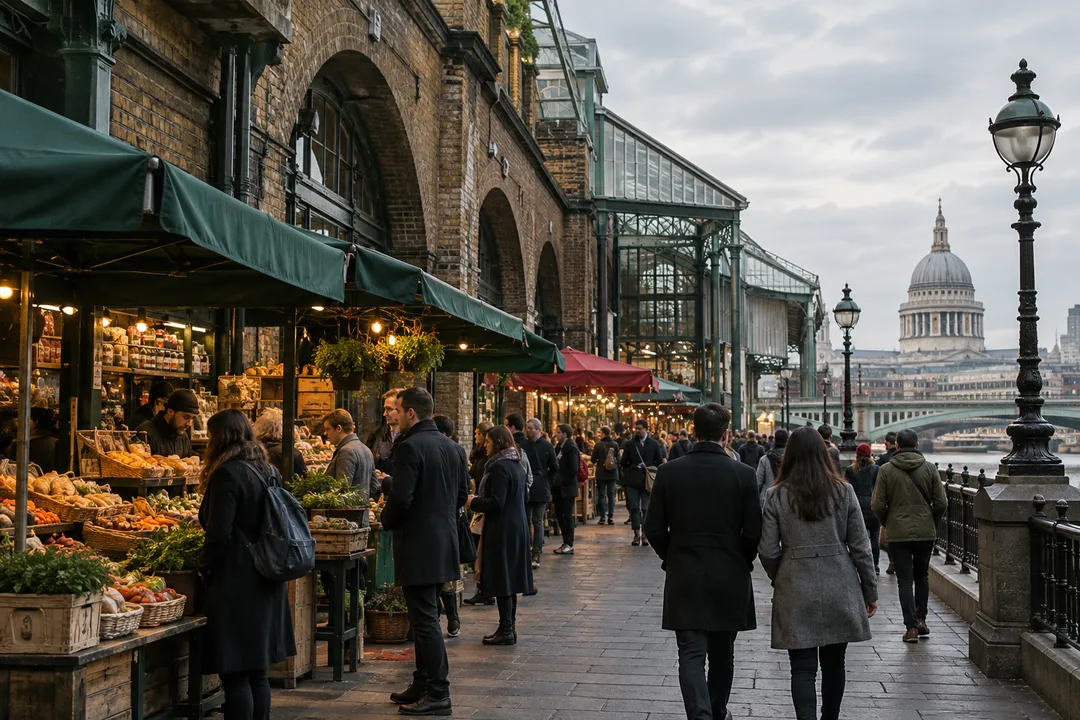
Borough Market Craft Cider Pub Trail: Historic Detours
Plan a Borough Market craft cider pub trail with food pauses, historic lanes, and flexible drink choices that help a mixed group move at a comfortable pace.
A Borough Market craft cider pub trail works when food, history, and drink share equal billing. Start with a route question: should the first stop wake up the palate, or should it wait until after a market snack? Karpo APP can build either version and reorder the walk when a stall, queue, or conversation changes the plan. Borough rewards curiosity, but the market can overwhelm a group that arrives without a meeting point. Choose one anchor, one first decision, and one fallback before anyone reaches for a glass.
Protect The Market Pause
Historic detours should help decisions, not decorate the map. Pick a short lane, bridge approach, or riverside view that changes the sound and light around the group. Ask for a compact version and a longer version in Karpo APP, then choose based on weather and energy. The detour can separate a food-heavy segment from a lighter pour, or give a slower drinker time to finish. The route remains shared because both options return to a landmark everyone recognises.
Turn Detours Into Decisions
Mixed groups fit Borough especially well when preferences are written plainly. One guest may want a rare orchard note, another may care about food, and a third may need an alcohol-free break. Treat those as route constraints, not competing arguments. Give each person one meaningful choice, then reunite at the next anchor. Skip a novelty stop if it creates more debate than pleasure. A market trail succeeds when everyone feels included in the sequence, even if their preferred glass or walking speed differs.
Plan For A Mixed Group
Practical notes: carry water, use a meeting point that survives market noise, and share only the next anchor with friends joining late. Keep tasting notes short and avoid blocking a service lane while comparing glasses. If rain arrives, shorten the outdoor link and make the sheltered food stop the hinge. If energy falls, finish at the place with the easiest exit rather than adding one more stop. Karpo APP is most helpful when it records these limits before the route begins, so adjustments feel planned rather than improvised.
Let History Set The Opening
Use the historic fabric around the market as your first chapter. Notice the brick, iron, river-facing routes, and the way modern food stalls sit beside older lines of movement. A short orientation walk gives late arrivals a chance to join and lets the group decide whether it wants more scenery or a faster drink. Save the opening mood in Karpo APP as either browse-first or taste-first. That small label keeps the route coherent when the market's noise and colour begin pulling everyone in different directions.
Choose The First Sensation
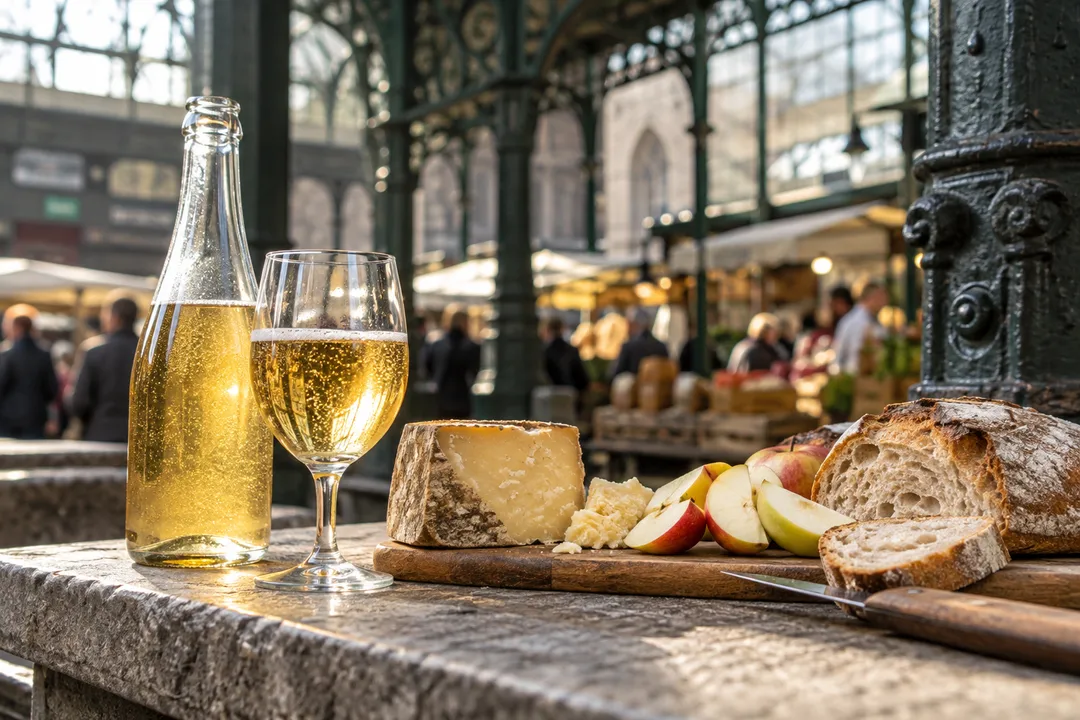
The first cider should establish a reference rather than chase novelty. A bright dry style can clear the palate; a softly aromatic glass may feel more generous after a walk; a tannic finish can hold its own beside savoury food. Ask the planner to keep the next choice genuinely different. After each pour, record one sensation and one question: too sweet, nicely lifted, needs salt, better with bread. Those notes let a later Borough route begin from experience instead of from a generic list of fashionable drinks.
Pair A Pour With Food
Make food a deliberate checkpoint. Choose one market bite that changes texture and share it before deciding on the next cider. A crisp edge, warm spice, or creamy centre can reveal whether the first drink was a good match. If a queue grows, use the food stop as the buffer rather than standing still with empty glasses. Karpo APP can move the checkpoint earlier or later while preserving the historic detour. The best route gives the group something to discuss besides how long the line is.
Protect a pause in the market rhythm. Step away from the busiest flow, keep bags close, and give everyone a minute to drink water and compare impressions. Decide in advance how long a slow queue is worth; ten minutes is a useful default, but the group may choose less when a train or reservation is waiting. If the threshold is reached, mark that stop optional and walk to the next anchor. A flexible route respects the market without turning patience into a hidden obligation.
Borough's strongest route logic is the order of attention. Let the market occupy the first minutes, give food a clear middle role, and save history for the walk that follows the second glass. The sequence prevents the group from trying to taste, browse, photograph, and navigate at the same time. Karpo APP can show those modes as separate steps, so a change in queue length only moves one part of the evening. If a stall becomes the unexpected favourite, promote it to the anchor and let the surrounding detour become optional.
Give the ending a practical kindness. Agree on an early exit, a final meeting point, and a short note for anyone joining or leaving at different times. A friend who arrives late should receive the next landmark, not a scrolling transcript of the whole route. A guest who leaves early should know which observation to save for the next plan. Borough Market supplies constant choices; a calm handoff keeps those choices from becoming friction. Close the craft cider pub trail with one shared sentence, then let the riverside air do the rest.
A final Borough note should capture the relationship between place and taste. Maybe a riverside breeze made a dry cider feel sharper, or a market snack softened a tart finish. Put that observation in Karpo APP with the route's one best detour. The next plan can use it as a starting preference while leaving room for a new discovery. If nobody wants another pour, close with the walk itself. A craft cider pub trail can end on a bridge, a story, or a shared decision to return, and still feel complete.
Ask Karpo for more information.
Keep reading
- Quiet Marylebone Irish Coffee Bar Night Picker in London
 Richmond Pub Quiz Night Picker for Scenic London Evenings
 Fulham Pub Quiz Night Picker for Relaxed London Evenings