 Soho London Coffee Shop Finder: Historic Espresso Bars
Coffee & Dessert
Clerkenwell Cozy Cafe Work Spot Finder for Sketchbook Days
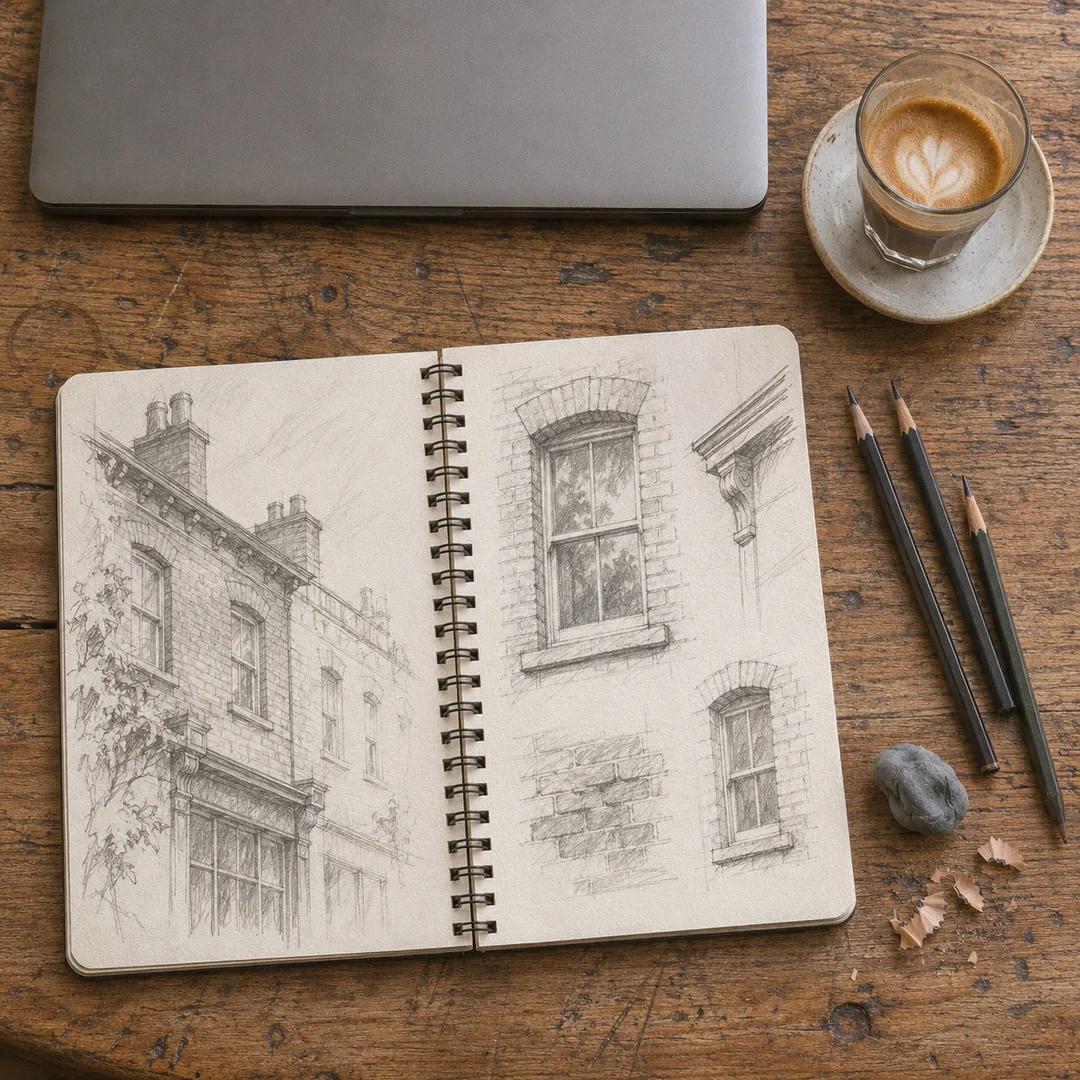
Clerkenwell suits freelance designers who draw as well as type. Find a cozy cafe with wide tables and daylight, then pace a sketchbook day around old streets.
Clerkenwell has been a working neighbourhood for centuries, first for watchmakers, printers and jewellers, and more recently for architects, furniture makers and graphic designers whose studios fill old warehouses around Farringdon. If you are a freelancer who spends half the day drawing and half on a screen, this cozy cafe work spot finder will help you find a room that suits paper as much as pixels, and a rhythm that keeps your hand loose until the light goes.
What a Designer Needs From a Cafe That a Writer Does Not
Most guides to working in cafes assume you only need a socket and a quiet corner. Drawing changes the brief. You need a table wide enough to open an A4 sketchbook beside a laptop, a surface that does not wobble when you press with a pencil, and light that falls from the side rather than glaring straight onto the page. Small round bistro tables, however charming, will have your coffee cup balanced on your elbow within an hour.
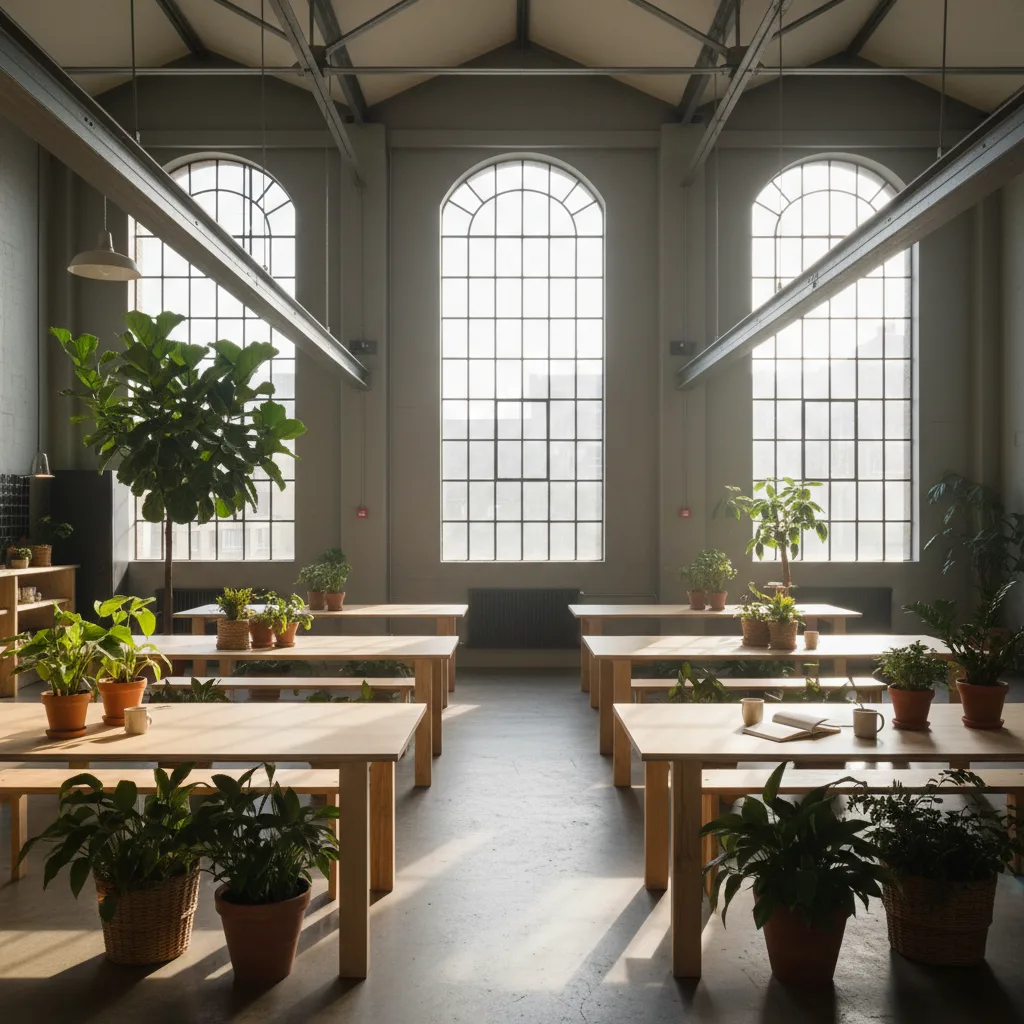
Look instead for communal tables, old workshop benches and long counters along a window. Clerkenwell is full of them, partly because so many cafes here sit inside converted industrial buildings with tall windows that were originally built to give craftspeople good light. That history is a gift for anyone working on paper, and it is worth seeking out the rooms that kept those big windows rather than covering them with menus.
Reading the Light Before You Sit
Before settling in, stand in the doorway and notice where the light comes from. North-facing windows give the steadiest daylight for drawing, the reason painters and engravers have always wanted them. South-facing rooms are warmer and cheerful in winter, but direct sun across the table can bleach out pencil lines and bounce off a screen. A seat a little back from a sunny window often works better than the window seat itself.
Light changes fast in November. A table that is perfect after breakfast may be in deep shade by mid afternoon, and many of the narrow streets here lose direct sun early in the day. Plan your drawing for the brighter hours and keep the second half of the session for screen work, client emails and tidying files, which need far less from the room.
A Day in Two Halves
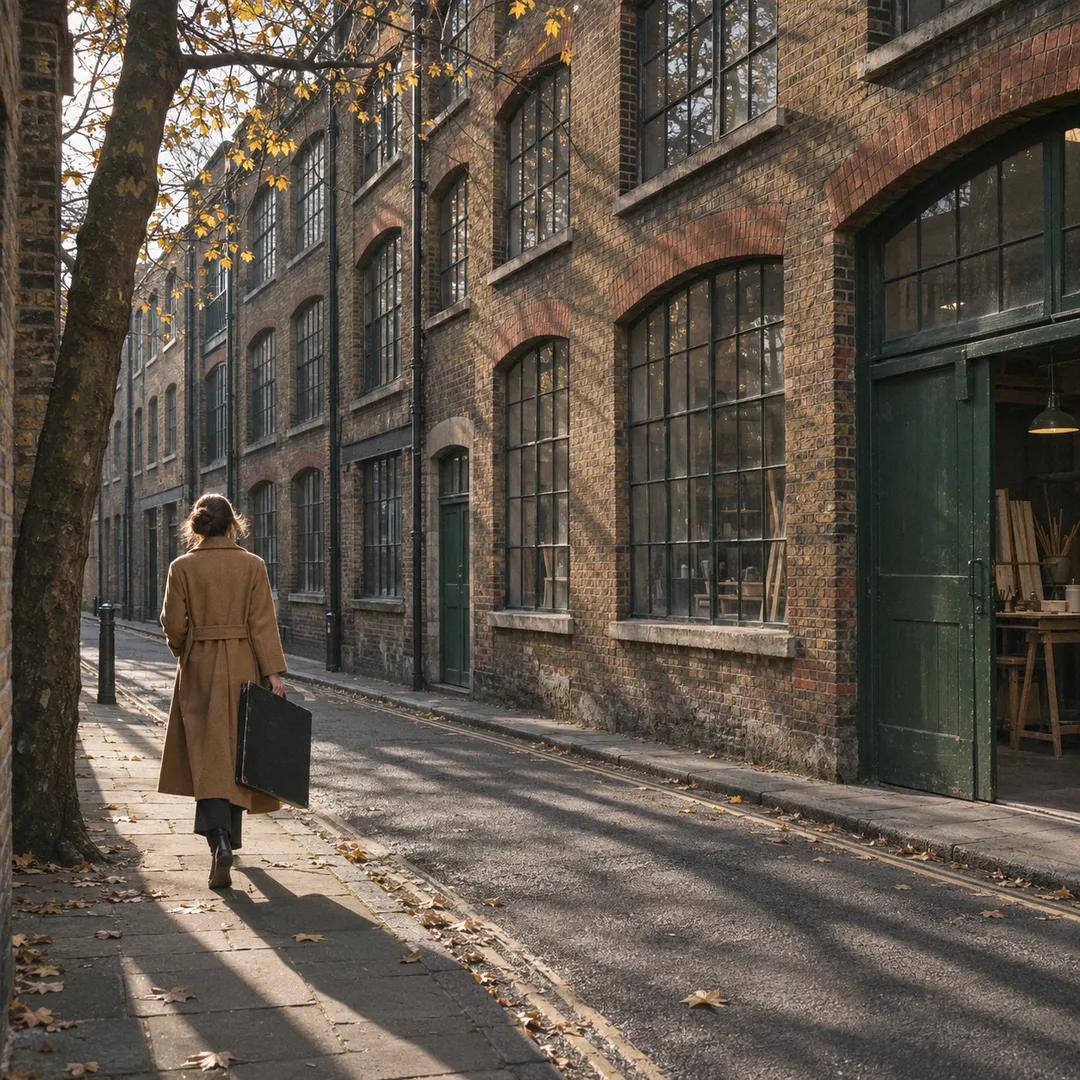
A good sketchbook day in Clerkenwell splits naturally in two. In the morning, take the hand work: thumbnails for a logo, page layouts, a set of furniture details, measured sketches of a facade you are restoring. Leave the laptop closed or pushed to the back of the table so your attention stays on the paper. If a cafe has background music you like, it can help, but loud speakers are hard to draw through.
After lunch, move to digital. Scan or photograph the morning's drawings, clean them up, and send the client a first look while the ideas are still warm. This is the half of the day where a socket matters more than daylight, so it can be worth switching to a second cafe with a different layout. A short walk between rooms also gives your eyes a proper rest from close focus.
A Lunchtime Loop Through Old Clerkenwell
Clerkenwell rewards a slow walk because its history sits right on the surface. Start at Clerkenwell Green, the small sloping square that has long been a meeting point for radicals and printers, then wander toward St John's Gate, the Tudor gatehouse that once guarded the priory of the Knights Hospitaller. Look up as you go, at shop signs carved into stone, old hoists above warehouse doors and windows that hint at the trades once carried on inside.
Exmouth Market makes a natural lunch stop, a short pedestrian street lined with places to eat and lively at midday with office workers and street food. If you want green space instead, Spa Fields is a modest park a few minutes away where you can sit on a bench and draw a tree for ten minutes. Even a quick sketch outdoors resets your eye before the afternoon.
Sketching the Neighbourhood Itself
Many designers find that drawing what is around them is the most useful warm-up for drawing what they are paid for. Clerkenwell is generous subject matter. The Charterhouse, with its old walls and quiet courtyards, sits on the edge of the area beside the open square of Charterhouse Square. Warehouse facades along the side streets offer endless studies in brick bond, cast iron and repeated windows that teach rhythm and proportion.
Keep these sketches loose and quick. Five minutes on a doorway, three on a lamppost, ten on a row of roofs seen from a cafe window. They are not for the client, and nobody else needs to see them. Over a few months they become a record of a place you worked in, and they often feed back into real projects in ways you do not expect.
Letting the Karpo APP Do the First Sift
Finding a room with the right table is hard to judge from a map. The Karpo APP lets you describe what matters in ordinary language, for example a cozy cafe in Clerkenwell with big communal tables, good natural light and a relaxed attitude to people working on laptops and sketchbooks. Karpo can suggest a few candidates, point out how they differ and help you plan a route that links a morning room with an afternoon one.
Think of the suggestions as a scouting list rather than a guarantee. Rooms change, furniture moves, and only standing inside one tells you if the table works for you. When you find a place that suits, save it. After a few weeks you will have your own small map of drawing-friendly rooms that you can pull up on any grey morning.
Keeping the Room Happy With You
Paper work is messy, and good manners keep you welcome. Brush pencil shavings and eraser crumbs into a napkin rather than onto the floor. Keep inks, markers and anything that might stain sealed when you are not using them, and never spray fixative indoors. If you are spreading out across a communal table, fold up some space as it fills so others can sit down with their lunch.
Buy something at regular intervals and say hello to the staff. Clerkenwell cafes often know their daily crowd of studio workers well, and a friendly regular is treated very differently from a stranger who has silently occupied a large table for six hours. If a place makes clear that it prefers no laptops at certain times, put the screen away and keep drawing, or move on gracefully.
Packing Up at Dusk
When the windows go blue and the street lamps come on, the drawing light is gone and it is time to stop. Take a final photograph of each page, so nothing is lost if the sketchbook gets rained on during the walk home. Jot a short list of what to pick up tomorrow on the inside cover, so the next session starts with momentum rather than a blank page.
Farringdon station is close by for most routes home, and the walk to it passes some of the area's quietest side streets in the evening. If you have energy left, take the long way and look at how the warehouse windows glow once the studios switch on their lamps. It is a reminder of why so many people still choose to make things in this corner of London.
Ask Karpo for more information.
Keep reading
- Soho London Coffee Shop Finder: Historic Espresso Bars
 South Bank Quiet Coworking Cafe Finder: Thameside Desks
 Hackney Quiet Coworking Cafe Finder: Sunlit Studio Desks