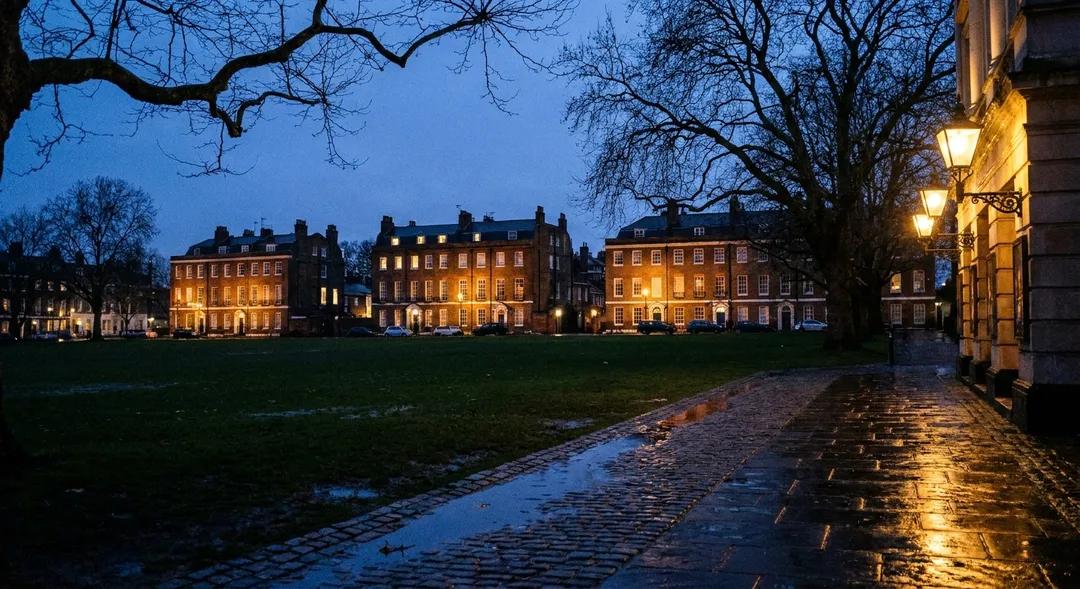
 Richmond Pantomime Evening Planner: Green Walk to Curtain
Weekend Plans
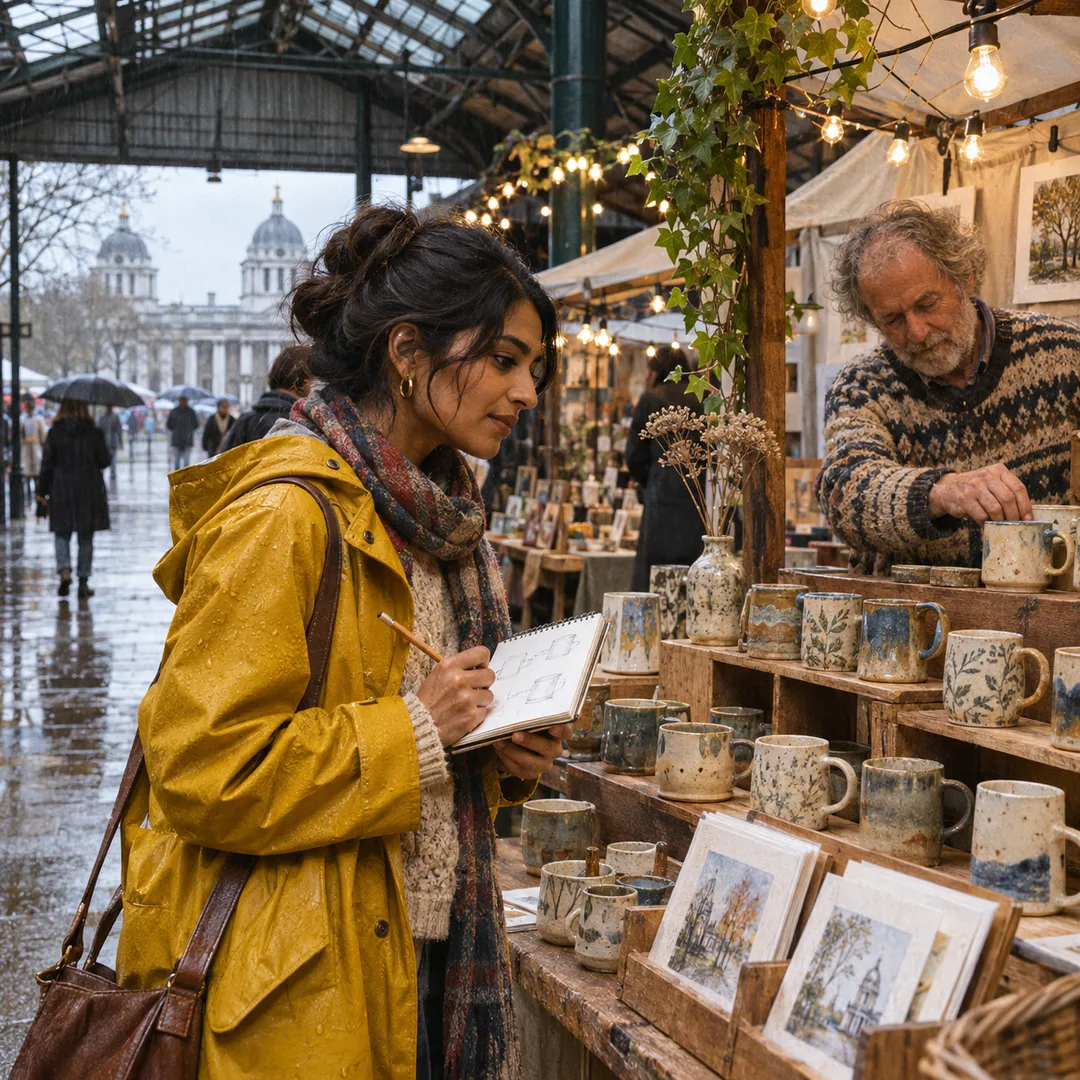
Greenwich Covered Market Rainy Day Browse for New Makers
Planning your first craft stall? Use a wet day in Greenwich Market to study maker displays, talk shop politely, then dry off among the riverside museums.
Every maker who sells at a market started as a visitor, quietly studying someone else's table and thinking: I could do that. Greenwich Market is a fine place to have that thought, especially when the rain is falling. Its roof keeps the stalls dry, its makers are used to curious questions, and the whole of Maritime Greenwich waits outside for when you need a change of scene. This covered market rainy day browse is for the printmaker, potter or jewellery maker who wants a first stall of their own, and who is ready to treat a wet afternoon as research.
Why Greenwich Suits an Aspiring Maker
Greenwich has hosted a market for centuries, with a charter that dates back to 1700, and the present covered space sits in the heart of a World Heritage Site. That long history matters less than the mix you find today. Alongside food traders you will usually see illustrators, ceramicists, woodworkers, jewellers and textile designers, many of them selling things they made at their own kitchen tables. For anyone thinking about their first stall, that range is a free masterclass.
Rain helps too. On a sunny weekend the aisles can be packed, and makers have little time to talk. When the weather turns grey, footfall usually softens, browsers linger longer under the roof, and conversations come more easily. You can stand at a table for a few minutes without blocking a crowd, which is exactly what you need when you are trying to understand how a display really works.
Studying Tables Like a Designer
Bring a small sketchpad and a pencil rather than relying on photos. Many makers are understandably wary of people snapping their work, while a quick sketch of a layout feels respectful and helps you think. Note how the strongest tables use height: crates, small shelves and stands that lift pieces to eye level. See where the eye lands first and how the maker leads you from one item to the next.
Look at colour and quantity as well. Some stalls display just a few hero pieces with lots of space around them, while others pile up prints in browsing bins that invite fingers to flick. Neither approach is wrong, but each sends a message about the work. Ask yourself which suits your own craft, and sketch both versions so you can test them at home on your own table.
Talking Shop Without Being a Nuisance
Most makers love talking about their work, but they are also running a business. Buy something small if you can, or at least wait until there is a lull, before asking questions. Start with genuine interest in their pieces, then ask about the market life: how they keep work safe from the weather, how they decided what to bring, and what they wish they had known on their first day.
Keep it brief and generous. Thank them, take their card if they offer one, and follow their work afterwards. Avoid asking for supplier details or anything that feels like copying. The goal is to learn how a stall feels from the inside, not to replicate someone else's craft. Plenty of makers remember the visitor who asked kind questions, and some of today's chats become tomorrow's market friendships.

Reading the Rhythm of a Wet Market Day
Spend a few minutes simply watching the flow. Notice where people pause when they shake off their umbrellas, which corners feel cosy and which feel draughty, and how makers near the entrances protect their work from gusts of damp air. These details matter when you eventually choose or are assigned a pitch. A stall that looks perfect on a dry day can struggle when the wind blows rain toward it.
Pay attention to sound and light as well. A covered market on a rainy day has a particular hush, with the patter overhead and a softer murmur of voices. Warm lamps and string lights become far more important when daylight is grey. If your work depends on colour, such as prints or glazed pottery, note how the best displays use their own lighting to make pieces glow.
Drying Off in Maritime Greenwich
When your sketchpad is full, Greenwich offers plenty of shelter close by. The National Maritime Museum is a short walk away and makes a generous indoor stop, with ship models, maps and paintings that can spark ideas about colour and pattern. The Painted Hall at the Old Royal Naval College, often compared to a great painted chapel, is another place to rest your eyes on extraordinary craftsmanship.
If the rain eases, walk along the riverside past the college's colonnades and the Cutty Sark, where the Thames turns soft and silvery in damp weather. For a quirky end to the day, the Greenwich foot tunnel runs beneath the river and keeps you completely dry, with tiled walls that make an unexpected bit of design inspiration of their own.
Turning Notes Into a Plan for Your First Stall
On the way home, look through your sketches and pick three ideas to test: a way of adding height, a colour approach, and a small change to how you will greet browsers. Lay out your own pieces on a table at home and try each idea in turn. Take photos of the results and compare them a day later with fresh eyes.
Then think about weather. You now know how rain changes a market, so plan for it from the start. Simple covers, sturdy stands and a warm light or two can make your table the one people drift toward when the sky darkens. Most makers learn this the hard way. You will have learned it from a single rainy afternoon in Greenwich. Keep the sketchpad on your shelf as a reminder of where the idea first took shape, and add to it every time a market teaches you something new.
Planning Your Next Research Day With the Karpo APP
Finding the right markets to study takes time. Open the Karpo APP and describe what you are after, for example a covered London market where independent printmakers and potters sell their own work and a rainy afternoon still feels lively, and use the suggestions as a shortlist to explore. You can ask follow-up questions about atmosphere, the kinds of makers you tend to see, and what to pair it with nearby.
Save the places that taught you the most and add a short note after each visit, such as the display trick you liked or the maker who gave good advice. Over a few weekends those notes become a map of your own craft education, and one day you may be the stallholder a nervous visitor is quietly sketching.
Ask Karpo for more information.
Keep reading
- Richmond Pantomime Evening Planner: Green Walk to Curtain
 Hackney Pantomime Evening Planner: Arch Slices to Curtain
 Wimbledon Pantomime Evening Planner: Broadway to Curtain