 Clapham Weekend Brunch Planner: Parkside Morning Cafes
Restaurants
Covent Garden Cornish Pasty Lunch Picker Before a Matinee
Squeezing lunch in before a West End matinee? This cornish pasty lunch picker shows how to choose a filling pasty in Covent Garden and where to eat it calmly.
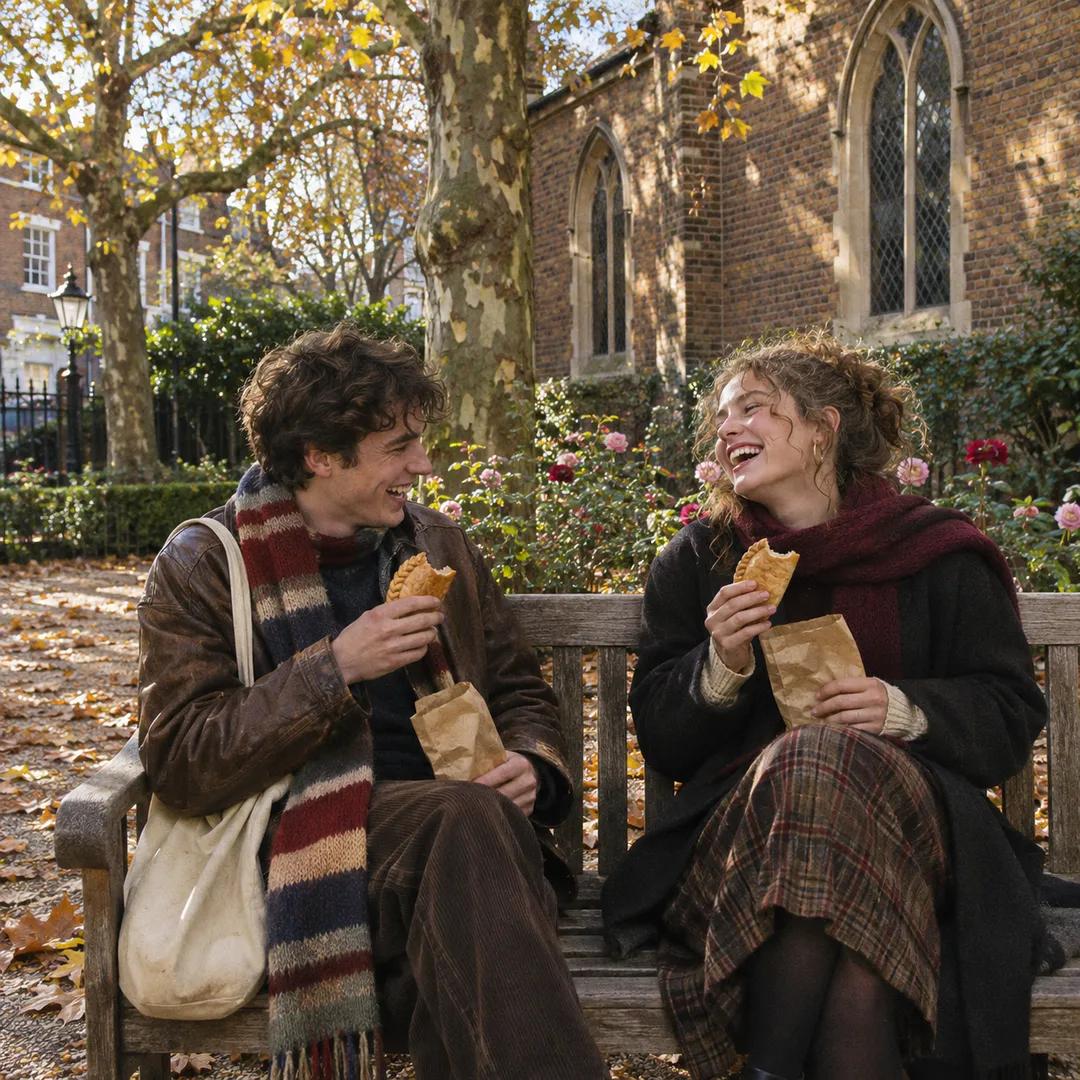
Amara and Leo study acting, which mostly means they are always hungry and always late. On matinee days they have a morning movement class, then roughly an hour before they need to be in their seats for a West End show they have been saving up to see. A sit-down meal is too slow and a sandwich never lasts until the interval. A hot pasty, eaten in a quiet corner of Covent Garden, has become their answer. This cornish pasty lunch picker shares how they choose and where they go to eat.
Why a Pasty Suits a Theatre Day
A pasty is a whole meal in one hand. Pastry, potato, vegetables and meat or cheese keep you full for hours, which matters when the show runs long and the interval queue for snacks stretches back to the stalls. Unlike a burger or a bowl of noodles, a pasty can be eaten while walking, needs no table and leaves nothing behind except a paper bag. For students on a budget, it also feels generous in a way a supermarket meal deal rarely does.
There is a historical logic, too. Cornish pasties became famous as the packed lunch of miners who needed something sturdy, portable and warming. Actors heading into a long afternoon are not far off. Leo jokes that the pasty is the original pre-show meal, built for people who must work hard for hours without stopping to eat.
Choosing a Filling That Will Not Slow You Down
The traditional Cornish filling is beef, potato, swede and onion, peppery and filling. Leo usually goes for that. Amara, who is vegetarian and has to sing in the second act of her own student productions, prefers a cheese and vegetable pasty and avoids anything too rich before a performance. Most pasty sellers around Covent Garden offer a choice like this, and asking which ones are vegetarian is a normal question at the counter.
If you are watching a show rather than performing, the logic is similar. Pick something filling but not so heavy you will feel sleepy halfway through the first act. Skip extra-large sizes if a dark, warm auditorium tends to make you drowsy. A medium pasty, a bottle of water and a piece of fruit for the interval make a better plan than one giant pastry eaten in a rush.

Spotting a Good Pasty in a Busy Neighbourhood
Covent Garden is crowded with chains, kiosks and market stalls, and pasties appear in many of them. Amara looks at the crust first: a deep golden glaze, a firm crimp along the side and no soggy patches underneath. A pasty that has sat too long in a heated cabinet turns pale and soft at the base. Leo prefers places where trays come out of the oven while you wait, a sign the turnover is quick.
Weight is the next clue. Pick up the bag and feel it; a good pasty is dense, packed with filling instead of air. If the seller is happy to explain what goes inside and where the recipe comes from, that usually means they care about the product. The protected name Cornish pasty is reserved for pasties made in Cornwall to the traditional recipe, so many London sellers simply call theirs a traditional or handmade pasty. Judge the food, not the label.
A Quiet Bench at the Actors' Church
The piazza at Covent Garden fills with street performers and crowds at lunchtime, which is fun to watch but awkward for eating. Amara and Leo always head instead to the garden of St Paul's Church, known as the Actors' Church because of its long links with the theatre world. The church was designed by Inigo Jones in the seventeenth century, and its walls carry memorial plaques to performers, writers and stage workers.
The garden sits behind the church, reached from the side streets, and feels surprisingly peaceful for central London. Benches line the paths, roses grow in the beds through the warmer months and fallen leaves gather in autumn. Eat respectfully, keep the noise down and take your rubbish with you. Leo likes reading the plaques while he finishes his pasty, and says it is good luck to tip his head to them before every show.
A Little Theatre History on the Way
The grand portico of St Paul's faces the piazza, and it plays a famous role in stage history. George Bernard Shaw opened his play Pygmalion under that portico, with flower seller Eliza Doolittle sheltering from the rain among theatre-goers. The story later became the musical My Fair Lady, which Amara has sung songs from since she was a child. Standing there with a pasty in your hand gives the scene an extra layer of fun.
From the piazza, it is a short walk through the narrow streets towards the theatres around the Strand, Drury Lane and Shaftesbury Avenue. Give yourself at least fifteen minutes so you can stroll rather than run. If you finish early, the colourful courtyard of Neal's Yard nearby is a cheerful place to pause, with painted walls and window boxes that look almost like a stage set themselves.
Timing the Hour So Nobody Panics
Lunch rush in Covent Garden peaks just as matinee audiences arrive, so the queues get longest at exactly the wrong moment. Amara and Leo buy their pasties as soon as class ends, eat within twenty minutes and still have time for a coffee and the walk to the theatre. If you are meeting friends, agree on the pasty stop in advance instead of debating on the pavement while the clock runs down.
Keep a small packet of tissues and a bottle of water in your bag. Pastry flakes have a way of ending up on dark coats, and you will want to look tidy when you find your seat. If it rains, the covered market halls offer shelter, though seats there can be hard to find at lunchtime. A pasty eaten standing under an arcade still beats a hurried snack from a theatre bar.
Planning Your Own Theatre Lunch
The Karpo APP can help you plan a pasty lunch around a show. Tell it which theatre you are going to, roughly when you need to be there and whether anyone is vegetarian, and it can suggest pasty and bakery stops in Covent Garden along with a calm place nearby to sit. That leaves your energy for the show rather than the search.
Share the plan with your friends the evening before, so everyone knows where to meet and what to order. Amara and Leo now treat the routine as part of the performance itself: class, pasty, Actors' Church, curtain up. They saw their matinee with full stomachs and no rushing, and stayed long enough at the stage door to say a nervous thank you to the cast.
Ask Karpo for more information.
Keep reading
- Clapham Weekend Brunch Planner: Parkside Morning Cafes
 Hackney Weekend Brunch Planner: Canalside Roastery Tables
 Soho Weekend Brunch Planner: Historic Townhouse Tables