 Shoreditch Comic Shop Crawl Planner: Murals to Manga
Hidden Gems & Odd Finds
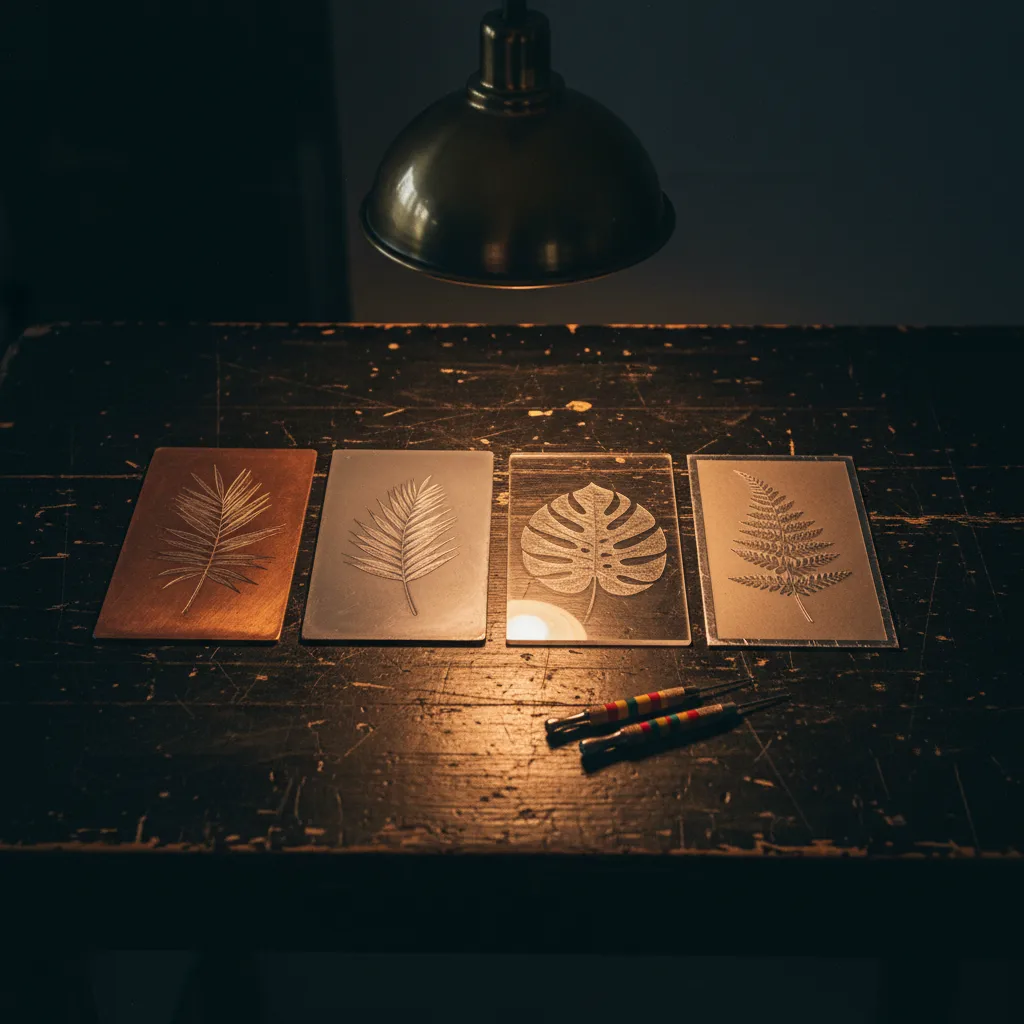
Brixton Copperplate Etching Needle Picker: Tip to Plate
Brixton's covered arcades and bold street colour suit printmakers who switch between copper, zinc and plastic plates, each asking something different of a needle tip.
The same needle can feel brilliant on one plate and frustrating on another. This copperplate etching needle picker for Brixton is organised around plate material, because copper, zinc, rigid plastic and even recycled card each respond differently to a point. Brixton's covered market arcades, music history and vivid street life make it a place where people experiment freely, which suits printmakers who like to try several surfaces.
Why plate material changes the choice
Every plate has its own hardness and grain. A tip that cuts cleanly into one material may skid on another or tear rather than slice. In drypoint, the plate decides how much burr forms and how long it survives printing. In etching, the plate decides how the acid bites and how crisp the final line becomes. Choosing a needle therefore starts with knowing what you will draw on.
Copper: the classic surface
Copper is relatively soft and even, which is why it has long been prized for both etching and drypoint. A sharp steel needle draws through hard ground on copper with very little resistance, and the bitten lines stay crisp and fine. For drypoint on copper, a hard, keen point lifts a rich burr that prints with a velvety edge. Carbide or diamond tips hold their sharpness for longer, which matters on large plates.
Copper burr is delicate, so heavy printing gradually flattens it. If you want a drypoint edition to stay consistent, a strong, well-formed burr from a sharp point gives the best start.
Zinc: harder and more textured
Zinc is a little harder than copper and has a coarser grain. Drypoint lines on zinc can feel grittier, and the burr tends to be slightly rougher. A sturdy carbide point often feels more comfortable than a fine steel one, because it resists dulling. For etching through ground, a standard steel needle works well, though bitten lines may look a little softer than on copper.
Many printmakers enjoy zinc for its slightly warmer, less polished line quality, so treat the difference as a character trait rather than a flaw.

Zinc also bites faster in many mordants, so etched lines can widen if the plate stays in the bath too long. A finer needle point partly compensates, because it opens a narrower channel through the ground to begin with. If you move between copper and zinc often, keep a note of which needle and bite time gave the line weight you liked, and repeat that pairing on the next plate.
Acrylic and other rigid plastics
Clear acrylic sheets and similar rigid plastics are popular for learning drypoint, because they are easy to find and let you place a drawing underneath as a guide. Almost any sharp point will scratch them. A steel needle or even a sharpened nail works for practice, though a harder tip draws more confidently and creates a crisper burr.
Plastic burr is softer and wears quickly, so these plates suit small runs and experiments. Because the surface is slippery, a tip with some bite is helpful, and a gentle, steady grip keeps lines from skating.
Recycled card and tetra-pack plates
Some printmakers make drypoint-style prints on cartons with a foil layer, or on coated card. Here, the needle scores and peels the surface rather than lifting metal burr. A blunter point or even a ballpoint-like tool can create broad, soft lines, while a sharp needle cuts fine scratches. These plates are ideal for workshops and quick ideas, and they forgive heavy hands.
Brixton as a creative backdrop
Brixton has a strong identity shaped by music, food and community life. Its covered arcades house a mix of independent traders and eateries, and the surrounding streets are full of colour, signage and murals. That density of pattern and texture gives printmakers plenty of motifs, from market stall awnings to the curves of railway bridges.
Brockwell Park offers green space, gentle slopes and open views, a welcome contrast to the busy centre. Sketching there before choosing tools can help you decide whether your next plate needs fine, controlled lines or bolder, more energetic marks.
Testing a needle on the plate you will use
If you can try tools on a sample of your intended plate, do it. On copper or zinc, notice whether the point bites immediately and lifts burr evenly. On plastic, check whether lines stay straight or skid. On card, see whether the tip scores cleanly or tears the surface. One minute of testing on the right material tells you more than any description.
Pay attention to sound as well as feel. A sharp point on metal makes a faint, even hiss, while a dull or chipped one tends to stutter and scrape. That small audible cue is a surprisingly reliable guide once you have heard both.
When that is not possible, bring a small practice offcut of your preferred plate if you have one, or remember the feel of your current tools so you can compare.
Building a small, flexible kit
A practical kit for mixed materials might include a fine steel etching needle for work through ground, a carbide point for metal drypoint and a sturdy, inexpensive needle kept for plastic and card. Keeping the cheaper tool for rough surfaces protects your best points from unnecessary wear.
Label handles or use different colours of tape, so you always know which needle belongs to which plate type. It is a small habit that keeps tips in good condition.
Care across different materials
Clean tips after each session, especially after cutting plastic, which can leave sticky residue. Metal dust from copper or zinc should be wiped away before storage. Protect points with corks or caps, and resharpen steel tips lightly on a stone as needed. Carbide and diamond points need only occasional attention.
Discovering nearby options with Karpo APP
Karpo APP can suggest nearby art supply shops, print studios and craft spaces around Brixton when you ask. You pick the suggestions that interest you, and you decide the order and how you travel between them.
Takeaways for Brixton printmakers
Let plate material lead the choice: a keen steel needle for etching on copper, a hard carbide or diamond point for metal drypoint, a sturdy everyday needle for plastic and card. Test on the surface you will use, keep separate tools for rough materials and protect every point. Brixton's experimental spirit and rich visual texture make it an inspiring place to explore how each surface changes your line.
Ask Karpo for more information.
Keep reading
- Shoreditch Comic Shop Crawl Planner: Murals to Manga
 Bermondsey Comic Shop Crawl Planner: Zines Under the Arches
 Clapham Comic Shop Crawl Planner: Charity Shelves and Common