 Brixton Vintage Thrift Shop Finder: South London Retro Gems
Hidden Gems & Odd Finds

Marylebone Consignment Shop Crawl Planner for Designer Bags
Plan a Marylebone consignment crawl for a first preloved designer bag: read condition, compare shops calmly and take a garden pause before you commit to one.
Buying a first designer handbag secondhand feels a little like buying a first car. You want something that will last, you are nervous about getting it wrong and you can feel the pressure of a shop assistant watching you hesitate. Marylebone takes much of that pressure away. Its village pace, its quiet side lanes and its handful of polished resale boutiques make it one of the gentlest places in London to learn how preloved luxury works. This consignment shop crawl planner walks you through an afternoon built around one goal: leaving with a bag you understand, or leaving with nothing and a much better idea of what you want.
Why Marylebone Works for a First Preloved Bag
Marylebone sits between the noise of Oxford Street and the green sweep of Regent's Park, and it borrows the best of both. The high street curves slowly north, the shopfronts are small and the side lanes off it feel almost residential. That scale matters when you are shopping for something expensive, because you can step out of one boutique, think for five minutes on a bench and walk into the next without being swept along by crowds.
The consignment and resale boutiques here tend to be calm rooms rather than racks crammed to the ceiling. Bags sit on shelves with space around them, staff are used to explaining how pieces arrived and many of the people browsing are locals who treat resale as a normal way to shop. You are not digging for a bargain in a bin; you are comparing a small edit of pieces that someone has already sorted, cleaned and priced.
Marylebone also gives you an honest benchmark close by. A short walk south brings you to the big department stores, where you can see current-season versions of the same shapes. Holding a new bag and then a preloved one on the same afternoon is the fastest way to understand what you are really paying for when you buy secondhand.
Decide What You Want Before You Walk In
The most useful part of this crawl happens before you leave home. Write down three things: the size you need, the colour you will wear most and how you plan to carry it. A bag that sits on your shoulder every working day needs different strengths from one that comes out for dinners twice a month. Knowing that keeps you from falling for a beautiful piece that will live in a dust bag.
Next, pick two or three shapes you already like and look at how they wear over time. Some leathers soften and darken gracefully, some show every scratch and some hold their structure for years. Ten minutes of reading old forum threads or watching owners talk about their bags will teach you which corners, handles and zips tend to tire first. That becomes your checklist in the shop.
Finally, decide on a ceiling you are comfortable with and keep it private. You do not need to announce it to staff. Having a number in your head simply lets you set a piece aside without agonising, which is the single habit that separates a happy consignment buyer from a regretful one.
How to Read a Preloved Bag in Two Minutes
Start with the corners. Turn the bag over and look at the four bottom points, where leather rubs against tables and floors. Light scuffing is normal and often fine; cracked or bare corners tell you the bag has lived a hard life. Then run your fingers along the handles and the edges where they meet the body, because that seam carries the weight every single day.
Open it next. Smell the lining, look for pen marks and check that the zips glide without catching. Ask the staff how the piece came in, whether it arrives with its dust bag or receipt and whether it has been cleaned or restored. Good consignment boutiques are happy to talk you through their authentication process, and the way they answer is as useful as the answer itself.
Lastly, wear it. Put it on your shoulder, walk to the mirror and back, and see whether the strap drop suits your coat. A bag that looks perfect on a shelf can sit awkwardly on your body. Give yourself permission to say it is lovely but not right, and move on.
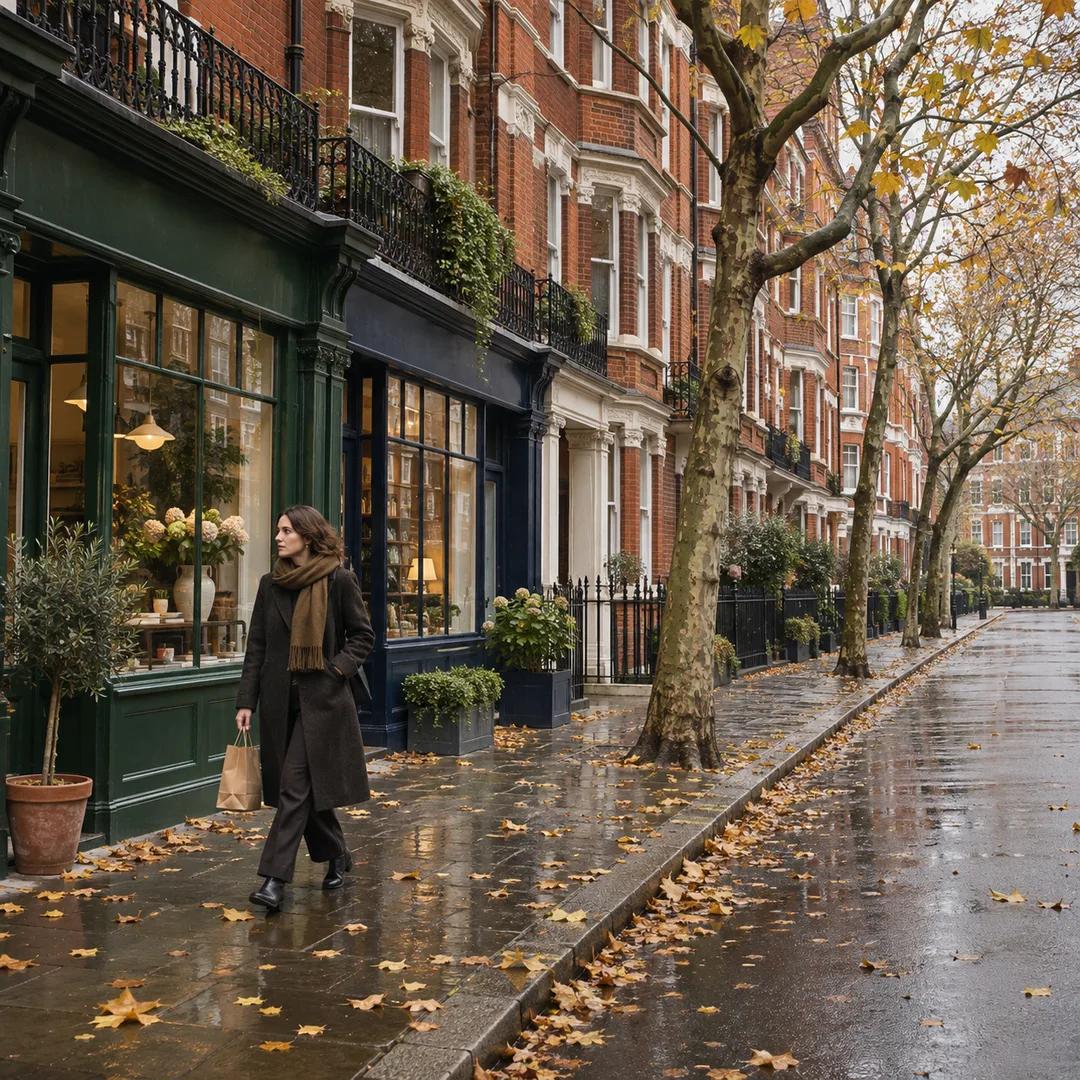
Shaping the Crawl Along the High Street and Side Lanes
Begin at the southern end near Wigmore Street and work north, so you move away from the busiest shopping and into the quieter village. Visit the first boutique simply to look, without trying to choose. Make a short note of any piece that catches your eye, the condition you saw and how it felt to carry. Treat this first stop as calibration.
Drift up Marylebone High Street and duck into the side lanes as you go. Marylebone Lane, with its kink and its small independent shops, is a lovely detour between stops and a reminder that the afternoon is meant to be enjoyable. If one boutique has several pieces you like, ask whether you can line two of them up on the counter together. Seeing them side by side makes the differences obvious.
Aim for three resale stops at most. After that, bags start to blur and your judgement softens. Three is enough to compare condition, price and feel across different sellers, and it leaves energy for the most important part of the plan, which is stepping away to think.
The Garden Pause Before You Commit
When one bag keeps coming back to mind, ask the boutique whether they can hold it briefly and walk out. Paddington Street Gardens are a few minutes away, a small green square with benches under old trees where nobody will try to sell you anything. Sit down, look at your notes and ask yourself whether you would still want this bag if it were full price.
If you have more time, keep walking north to Regent's Park. A loop of the boating lake in late autumn, with the leaves turning and the light dropping early, is a good reset. People often come back from that walk sure of their choice, or relieved that they did not make it. Either outcome counts as a successful crawl.
If you do go back and buy, ask for the dust bag and any paperwork, photograph the condition at home in daylight and keep the receipt somewhere safe. Those small habits protect you if you ever decide to consign the bag yourself one day, which in Marylebone is a perfectly ordinary next chapter.
Making the Afternoon Feel Like a Treat
A first designer bag is a milestone, so do not rush the rest of the day. Marylebone's cafes and bakeries are made for lingering, and a coffee at a window table with your new bag on the chair beside you is part of the fun. If you left empty-handed, the same coffee becomes a quiet debrief where you sketch out what to look for next time.
Bring a friend who will be honest rather than encouraging. Their job is to tell you when a bag looks tired, when it swamps your frame or when you are buying it because the shop is pretty. One good second opinion is worth more than an hour of scrolling resale listings at midnight.
Most of all, remember that consignment shopping rewards patience. The right bag might appear on your second or third Marylebone afternoon rather than your first. Treat each crawl as practice, and you will soon walk into these calm little boutiques knowing exactly what you are looking at.
Ask Karpo for more information.
Keep reading
- Brixton Vintage Thrift Shop Finder: South London Retro Gems
 Notting Hill Vintage Thrift Shop Finder: Preloved Rails
 Soho Vintage Thrift Shop Finder: West End Designer Archives