 Brixton Vintage Thrift Shop Finder: South London Retro Gems
Hidden Gems & Odd Finds
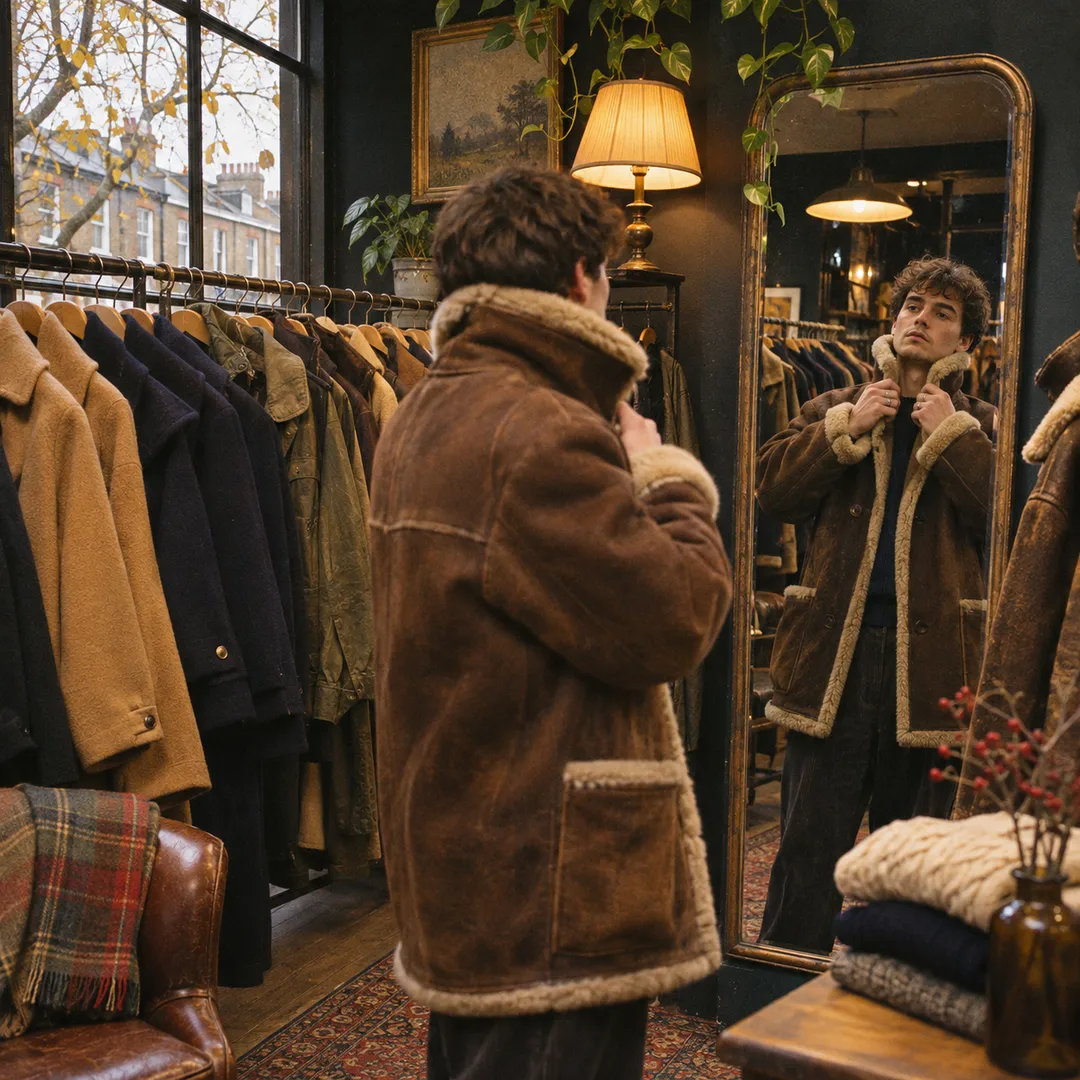
Camden Consignment Shop Crawl Planner for Winter Coats
Plan a Camden consignment crawl for a secondhand winter coat: judge wool and shearling, test fit on a canal walk and finish with a view from Primrose Hill.
Every London winter has a week when the wind turns and the coat you have been making do with suddenly feels thin. That is the moment to head to Camden. Behind the famous market stalls and bright shopfronts, the area's resale and consignment shops carry some of the best secondhand outerwear in the city: heavy wool overcoats, shearling jackets, waxed cotton field coats and peacoats that have already proved they can survive a few winters. This consignment shop crawl planner shows you how to find a coat that is warm, well made and full of character, then test it properly on a walk along the canal before the cold really sets in.
Why Camden Is a Great Place to Hunt Coats
Camden has been a home for alternative style since the market first drew crowds decades ago. Punks, mods, goths and indie kids all left their mark, and the culture of buying, swapping and reselling clothes never went away. Today that history shows up in shops that treat outerwear seriously, with long rails of coats grouped by style and fabric.
Coats are one of the smartest things to buy secondhand. A good wool or shearling coat is built to last for many years, and the price of new versions can be steep. A preloved one has usually already softened and settled into its shape, and any weak points will be easy to spot if you know where to look.
Camden also offers variety in a small area. Within a short walk you can move from a vintage warehouse full of military coats to a more curated consignment shop with designer outerwear, and then to a market rail of waxed jackets. Comparing such different options in one afternoon helps you understand what you really want.
Decide How You Will Live in the Coat
Before you go, think about your winter routine. Do you walk to work in the rain, wait on cold platforms or cycle across town? Someone who walks a lot in drizzle may love waxed cotton, while someone who stands outside on frosty mornings will want thick wool or shearling. Matching the coat to your days matters more than chasing a trend.
Wear the layers you normally wear in winter when you go shopping. A thick jumper under a coat changes the fit completely, and a coat that feels roomy over a T-shirt might be snug over knitwear. Bring a scarf too, so you can see how the collar sits with it.
Have a rough idea of length and colour. Long coats keep you warmer but can feel heavy on buses and stairs; shorter jackets are easier to move in. Neutral colours like camel, navy, grey and olive go with almost everything, while a bold colour can become the signature piece of your winter.
How to Judge Wool, Shearling and Waxed Cotton
With wool coats, start with the weight. Lift the coat off the rail; a dense, heavy wool will keep you warmer than a light blend. Look at the cuffs, pocket edges and collar for fraying or shine, and check under the arms for thin patches. Small moth holes can sometimes be repaired, but many of them suggest the coat was stored badly.
Shearling needs a different approach. Look at the suede or leather side for cracks, dry patches and stains, and run your hand through the wool side to feel whether it is still soft and thick. Bald spots at the cuffs and collar are common and cannot be fixed easily, so take a close look at those areas.
Waxed cotton jackets age well, but they need regular care. Faded or dry patches can be refreshed with new wax, which many people do at home. Look closely at the seams, the corduroy collar and the pockets for tears, and check that the zip and poppers all work. A slightly scruffy waxed jacket can come back to life with a little effort.
Routing the Crawl Around the Market and Beyond
Start early near Camden Town station, before the busiest crowds arrive. Head first to the indoor and covered parts of the market, where vintage traders hang coats in long rows. Use this first stretch to try on many styles quickly and work out which shapes suit you. Do not buy anything yet unless it is truly special.
Next, look for the quieter resale and consignment shops in the streets away from the main market. These tend to have a smaller, more careful selection and more space to try things on. Ask staff what has come in recently and whether they keep more coats in the back, because shops often rotate outerwear as the season changes.
Keep a short list as you go, noting the shop, the coat and what you liked about it. Three or four strong candidates are plenty. When the choice gets hard, ask one shop to hold your favourite and step outside for some air.
Test the Fit on a Canal Walk
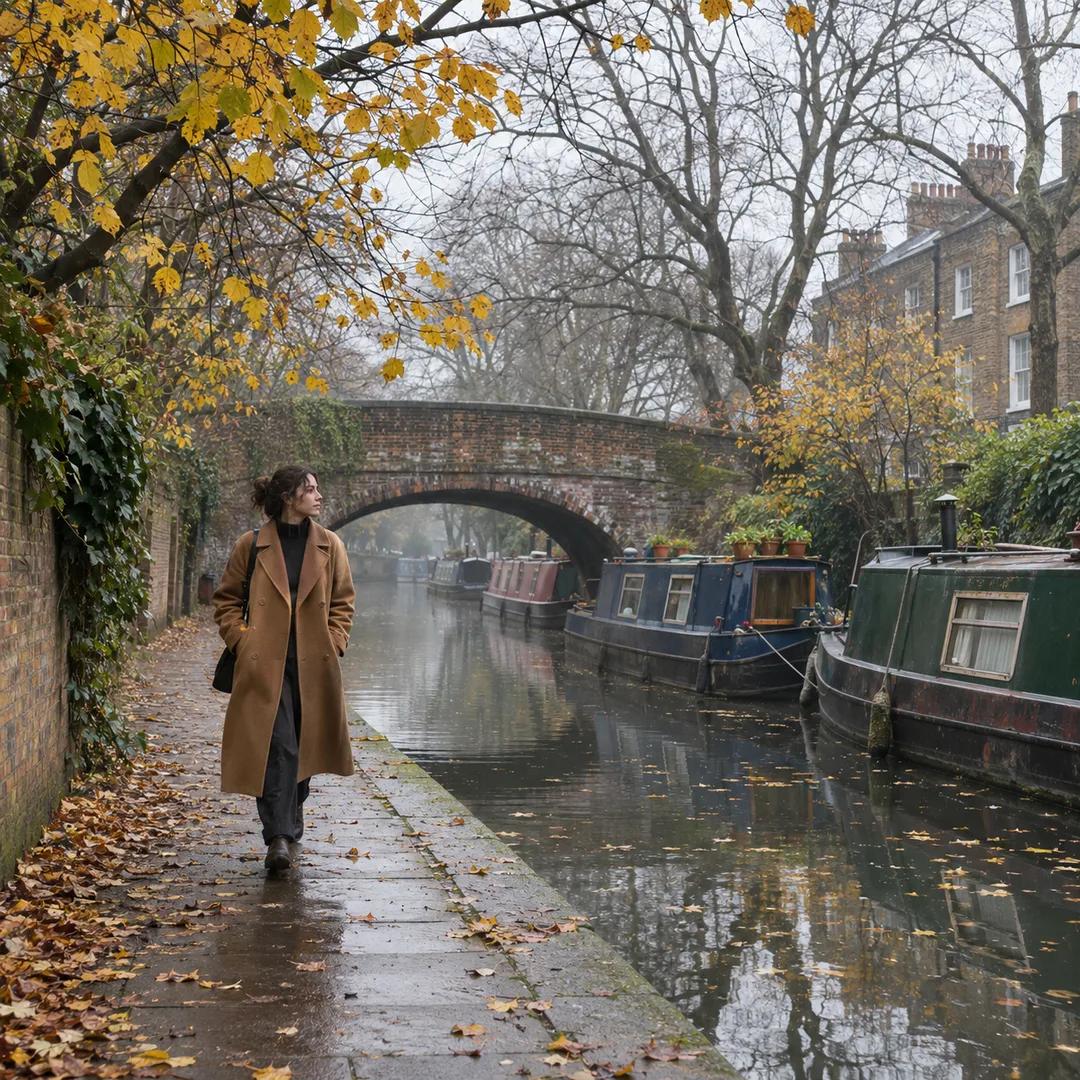
Camden has a built-in fitting room for coats: the Regent's Canal towpath. If you have bought a coat or the shop will let you step outside with it, walk a short stretch of the towpath by Camden Lock. Feel how the coat moves when you walk, whether the sleeves ride up when you reach and whether the wind finds its way through the front.
Even if you are still deciding, a walk along the canal is a good way to clear your head. The narrowboats, the brick bridges and the quieter stretch towards Regent's Park feel a world away from the crowds of the market. Many people find that after twenty minutes outside, they know exactly which coat they want.
For the best finish, climb Primrose Hill as the afternoon light starts to drop. The view over the city skyline is one of the best free views in London, and the wind at the top is the perfect final test. If your new coat keeps you warm up there, it will keep you warm all winter.
Caring for a Secondhand Coat So It Lasts
Once your coat is home, give it a fresh start. Brush wool coats gently with a clothes brush to lift dust and restore the nap, and hang them on a wide wooden hanger that supports the shoulders. If the coat needs cleaning, choose a cleaner experienced with wool or shearling rather than a quick high street service.
Small repairs make a big difference. Replacing missing buttons, fixing a loose lining or stitching a pocket corner can make a secondhand coat feel new again. Many alteration shops in North London will take on these jobs, and some can also shorten sleeves if the fit is not quite right.
When you finally move on from the coat, think about where it should go next. A good coat in good condition can return to a Camden consignment shop for someone else to find on a cold November afternoon. That steady circle of buying, wearing and passing on is exactly what keeps the area's rails so full of great outerwear.
Ask Karpo for more information.
Keep reading
- Brixton Vintage Thrift Shop Finder: South London Retro Gems
 Notting Hill Vintage Thrift Shop Finder: Preloved Rails
 Soho Vintage Thrift Shop Finder: West End Designer Archives