 Brixton Vintage Thrift Shop Finder: South London Retro Gems
Hidden Gems & Odd Finds

Spitalfields Concept Store Shopping Crawl for Slow Fashion
Build a capsule wardrobe on a Spitalfields concept store crawl: Huguenot weaving streets, market hall labels, Brick Lane vintage and rules for buying less.
Spitalfields has been about cloth for a very long time, which makes it the right place in London for a concept store shopping crawl with a wardrobe in mind. The streets that silk weavers once filled with looms now hold independent labels, lifestyle stores and vintage warehouses. Come with a short list of gaps in your closet rather than a wish list, and use the walk to buy fewer, better pieces that will still feel right in five years.
Why Spitalfields Suits a Wardrobe Rethink
The tall brick houses around Fournier Street and Princelet Street were built for Huguenot families who fled France and brought their silk weaving skills to the East End. Look up at the top floors and you can still see the wide garret windows that let light fall on the looms. Walking these streets first sets the tone for the day. It reminds you that clothing used to be made slowly, mended often and passed on, which is exactly the mindset a capsule wardrobe needs.
Today the area mixes that heritage with a strong independent fashion scene. Concept stores here tend to stock a tight edit of labels next to books, grooming products and objects for the home, so you see how a piece of clothing fits into a whole way of living. That context helps you judge whether a jacket truly suits your life or only suits the shop window.
Write Your Gap List Before You Leave Home
Open your wardrobe the night before and lay out what you actually wear each week. Most people find they lean on the same handful of things. Write down three gaps at most, such as a coat that works with everything, trousers that can go from desk to dinner, or a knit that layers under a jacket. Note the colours that already dominate your rails, because a capsule works when almost every top goes with almost every bottom.
Take photos of your three most worn items on your phone. When a shop assistant asks what you are looking for, showing them those pictures saves a lot of explaining. In stores that care about fit and fabric, staff often enjoy the challenge and will pull pieces from the back that never made it onto the floor.
Round One: The Market Hall and Its Edges
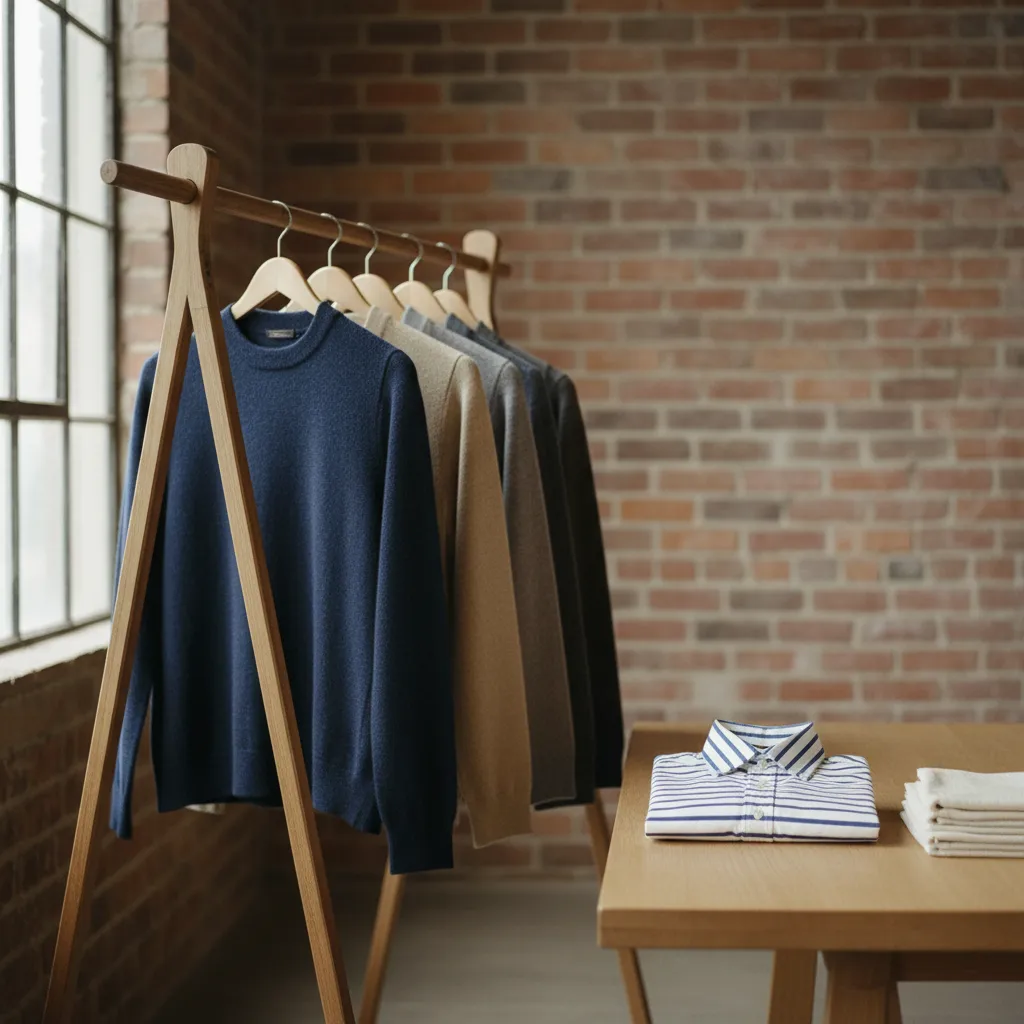
Start under the glass roof of the old market building, which gives you a dry, bright place to warm up your eye. Independent designers and small-batch makers trade from stalls and units around the hall, and the shops lining its outer edge lean towards considered menswear, womenswear and accessories. Use this first round to touch fabrics rather than to buy. Feel the weight of wool, compare how different cottons drape and notice which cuts flatter you.
A good rule is the three-touch test. If you come back to the same piece three times during the round, it goes on a shortlist in your notes app. If you only picked it up once, let it go. This keeps the first hour from turning into a pile of impulse bags before you have even reached Brick Lane.
Round Two: Brick Lane Vintage With a Plan
Walk east across Commercial Street and into Brick Lane, where former brewery buildings and warehouses hold some of the largest vintage floors in London. These spaces can feel overwhelming, with rail after rail of denim, leather, workwear and knitwear. Your gap list is your shield. Head straight for the section that matches one of your three gaps and ignore the rest, at least on the first pass.
Vintage is where a capsule wardrobe gets its character. A well-worn chore jacket, a heavy fisherman's knit or a pair of straight-leg jeans with real fading can anchor an outfit in a way new clothes rarely do. Check seams, linings and zips by hand, and try things on even when the changing rooms have a queue. Sizes from different decades rarely match today's labels.
Cheshire Street, just off the northern stretch of Brick Lane, is worth a detour for smaller boutiques, homeware shops and a quieter pace. It is a good place to pause, review your shortlist and decide which pieces are worth a second look.
Lunch and a Shortlist Review
Brick Lane is famous for its curry houses and its round, chewy bagels baked through the day and night, so lunch is easy to find. Sit down for at least half an hour. Lay out your shortlist and match each piece against your gap list and the photos of your most worn items. Ask yourself whether you would wear it twice a week, whether it works with at least three things you already own, and whether you can care for it without fuss.
Anything that passes all three questions is worth going back for. Anything that fails one of them is probably a beautiful thing for someone else's wardrobe. This pause is the moment that separates a mindful crawl from an ordinary shopping trip.
Who Will Love This Route and Who Should Skip It
This crawl suits people who enjoy clothing but are tired of fast fashion, newcomers to London setting up a work wardrobe, and anyone who likes a good story behind what they wear. It also works well for friends who want to give each other honest opinions in the changing room.
If you need a specific branded item quickly, or you dislike crowds and narrow aisles, the West End department stores will serve you better. Sundays around Brick Lane can be very busy, so people who prefer calm browsing should aim for a weekday morning instead.
Timing, Weather and Getting Around
A weekday morning gives you the space to try things on and talk with shop staff. Weekends bring street food, buskers and a livelier mood, but also longer queues. The market hall keeps you dry when London rain arrives, and many vintage floors are indoors, so the route works in most weather. Wear easy shoes and a top that is simple to slip off and on.
Liverpool Street and Shoreditch High Street stations are both a short walk away, and Aldgate East sits just to the south. Carry a light foldable bag so you can combine purchases and keep your hands free on narrow pavements.
Keep the Hunt Going With the Karpo APP
If one gap is still open when you leave, describe the piece you need to the Karpo APP, for example a navy wool overshirt or a pair of wide trousers in a heavy cotton. It can suggest nearby independent stores and vintage spots in East London that match your style, so the next crawl starts with a clear target. Spitalfields teaches a simple lesson: own less, choose with care, and wear what you love until it wears out.
Ask Karpo for more information.
Keep reading
- Brixton Vintage Thrift Shop Finder: South London Retro Gems
 Notting Hill Vintage Thrift Shop Finder: Preloved Rails
 Soho Vintage Thrift Shop Finder: West End Designer Archives