 Brixton Vintage Thrift Shop Finder: South London Retro Gems
Hidden Gems & Odd Finds
Spitalfields Comic and Manga Shop Crawl for Back Issues
A Spitalfields crawl for collectors hunting back issues: how to work market stalls and shops, check condition fast, and carry fragile old comics home safely.
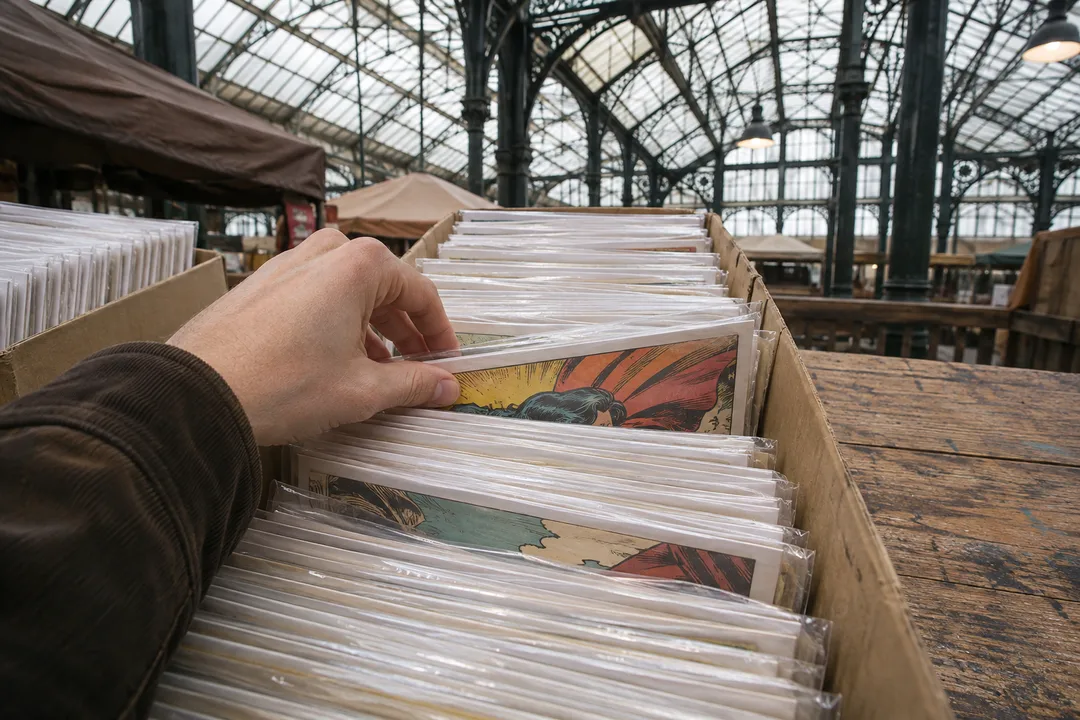
Collecting older comics is a slow sport. You flick through hundreds of plastic sleeves to find the one issue you have wanted for years, and then you have about thirty seconds to decide whether its condition is worth it. Spitalfields is a good place to practise, because the covered market, the streets around Brick Lane and the shops nearby all attract sellers with boxes of older stock. This guide gives you a route, a checking routine and a way to get your finds home in one piece.
Why Spitalfields Draws Collectors
Spitalfields has been a place of trading for centuries. The old market hall under its iron and glass roof once sold fruit and flowers, and today it fills with stalls selling clothes, records, antiques and craft. Around it, the streets near Brick Lane carry their own weekend markets, where vintage sellers and secondhand dealers set up tables full of things you never knew you wanted.
That culture of digging is what makes the area good for back issues. Comic and manga stock turns up among records and toys, sometimes in a single box under a table, and the sellers are often collectors themselves. A crawl here is less about walking into one perfect shop and more about checking every likely table with patience.
Write a Want List Before You Arrive
Collectors who go in without a list end up buying whatever is shiniest. Before the walk, write down the specific issues or volumes you want, and add a second, shorter list of things you would buy only if they were in good shape. Keep it on your phone so you can check quickly while standing at a crowded stall.
You can ask Karpo to help you shape the afternoon. Tell the Karpo app you are hunting back issues in Spitalfields, give it a time window and say whether you want covered stops for bad weather. It can suggest an order for the market hall, the side streets and a place to rest. It does not know what any seller has in stock, so the want list is still your best tool. Note the stops you liked best afterwards, so the next plan starts from what actually worked.
A Thirty-Second Condition Check
When you find something, check it in the same order every time. Look at the spine for stress lines and colour loss, then the corners for bends or rounding. Turn it over and look at the back cover, which often hides water marks or writing. If it is bagged, ask before removing it, and slide it out gently with flat hands rather than pulling from the top.
For older manga, the paper itself matters most. Look at the page edges for yellowing, check the binding for loose pages, and give the book a quick smell, because damp storage leaves a musty note that never really fades. A clean but faded copy is usually a better buy than a bright one with a broken spine.
How to Talk to Sellers
Market sellers are generally happy to chat if you show genuine interest. Ask what they have from a particular series or decade rather than asking whether they have anything good. Many keep extra boxes under the table or back at home, and a clear question can unlock stock that never makes it onto the display.
If you are buying several items from one table, it is fair to ask whether they would consider a bundle. Be friendly and reasonable, and accept a no gracefully. A seller who remembers you as a pleasant regular is far more likely to put something aside for you next time, which is worth more than any one discount.
A Route Through the Market and Lanes
Start inside the covered market while it is still calm, working your way around every stall that mixes records, toys and paper. Then cross towards Brick Lane, where the weekend markets in old brewery buildings and yards hold more vintage tables. Save the busiest stretch for the second half of the afternoon, once you have a feel for what is around and how much you still want to spend.
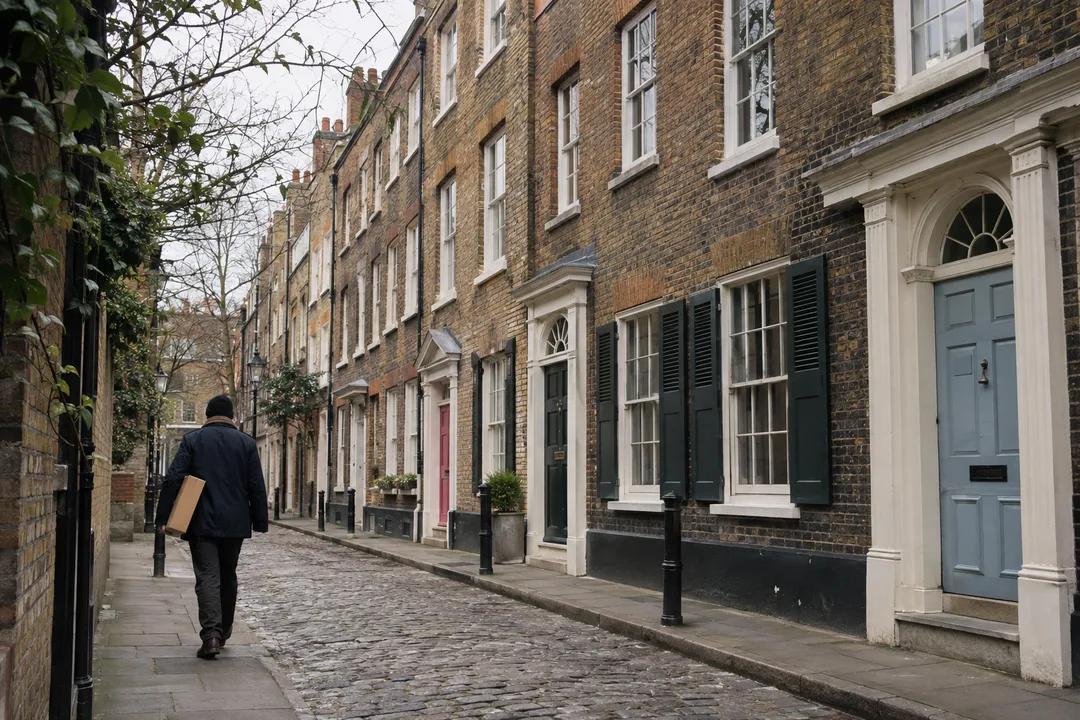
Between the two, take a break on Fournier Street or Princelet Street, where tall Georgian townhouses built for Huguenot silk weavers still line the pavement. The quiet there is a welcome contrast to the crowds. Christ Church Spitalfields, the great white stone church at the end of the street, makes an easy meeting point if you are crawling with a friend.
Know When to Walk Away
The hardest skill in collecting is leaving something behind. If an issue fails your condition check, or you feel rushed, put it down and walk once around the market. Often you will forget it within ten minutes, and if you are still thinking about it when you return, you will know the buy is right.
Keep a rough spending limit in your head for the day and stick to it. Collecting is meant to be fun, and a walk that ends with one great find and a little money left over feels much better than one that ends with a heavy bag of maybes. The next market day is never far away.
Getting Old Comics Home Safely
Bring a flat, stiff carrier, such as a thin cardboard folder or an artist's portfolio, along with a few spare plastic bags and backing boards. Slip each find in as soon as you buy it, so it does not spend the afternoon bending in a tote bag. A plain cardboard box from a stall can work in a pinch if you ask nicely.
If you are travelling home by Tube in the evening rush, hold the carrier upright against your body rather than wedging it under your arm. At home, let anything slightly damp dry flat before bagging it, and store your new issues upright in a short box away from sunlight and radiators.
Make It a Regular Ritual
Collectors who find the most are the ones who come back. Different sellers appear on different days, and stock turns over constantly, so a monthly visit to Spitalfields will show you far more than one long day. Keep a short notebook of who sells what, and you will soon have your own map of the market.
When your want list gets shorter, invite a friend who is just starting to collect and show them the condition routine. Ask Karpo to plan a new walk each time, perhaps finishing with a bagel on Brick Lane or a quiet look at the old townhouses, so the hunt stays part of a good day out rather than a chore.
Ask Karpo for more information.
Keep reading
- Brixton Vintage Thrift Shop Finder: South London Retro Gems
 Notting Hill Vintage Thrift Shop Finder: Preloved Rails
 Soho Vintage Thrift Shop Finder: West End Designer Archives