 Brixton Vintage Thrift Shop Finder: South London Retro Gems
Hidden Gems & Odd Finds
Notting Hill Comic and Manga Shop Crawl for Back Issues
A Notting Hill comic and manga shop crawl for back issue hunters: reading Portobello stalls, judging condition, old British annuals and a calm mews break.
Notting Hill is a neighbourhood built for rummaging. On market days the Portobello strip fills with stalls selling silver, cameras, old postcards and boxes of paper treasures, and in between sit record shops, second hand bookshops and exchange stores where comics quietly change hands. For anyone chasing a back issue, a missing volume or the annual they unwrapped on Christmas morning as a child, it is one of the most rewarding places in London to spend a slow afternoon. This comic and manga shop crawl shows you how to hunt, what to check and how to pace yourself.
Why Notting Hill Rewards Patient Hunters
Specialist comic shops are great when you know exactly what you want. Markets and exchange shops are different. Stock arrives from house clearances, collectors downsizing and readers trading in last year's shelf, so nothing is predictable. That is the appeal.
You might find a stack of old British weeklies beside a run of superhero titles and a loose volume of a long finished manga. The thrill comes from turning the next box, not from a catalogue.
Write Your Want List Before You Leave Home
Back issue hunting without a list is a fast way to spend a fortune on things you did not need. Before the trip, write down the series, issue numbers or volume numbers you are missing. Keep it on your phone so you can glance at it while flicking through a box.
Add a second, shorter wish list of things you would love but do not expect to find. Those are the ones that make the day memorable when they turn up.
Market Days Versus Quiet Days
The neighbourhood changes character through the week. On the busy market day the street is packed, stalls stretch along the road and there is a lot of paper to sift through, but you will be sharing it with crowds. Quieter weekdays mean fewer stalls but more space inside the shops and more time to talk with sellers.
Many regular hunters do both: a weekday visit to the shops for a calm look, and a market day trip purely for the stalls. If you only have one day, go early so the boxes have not already been picked over.

How to Read a Comic Box Fast
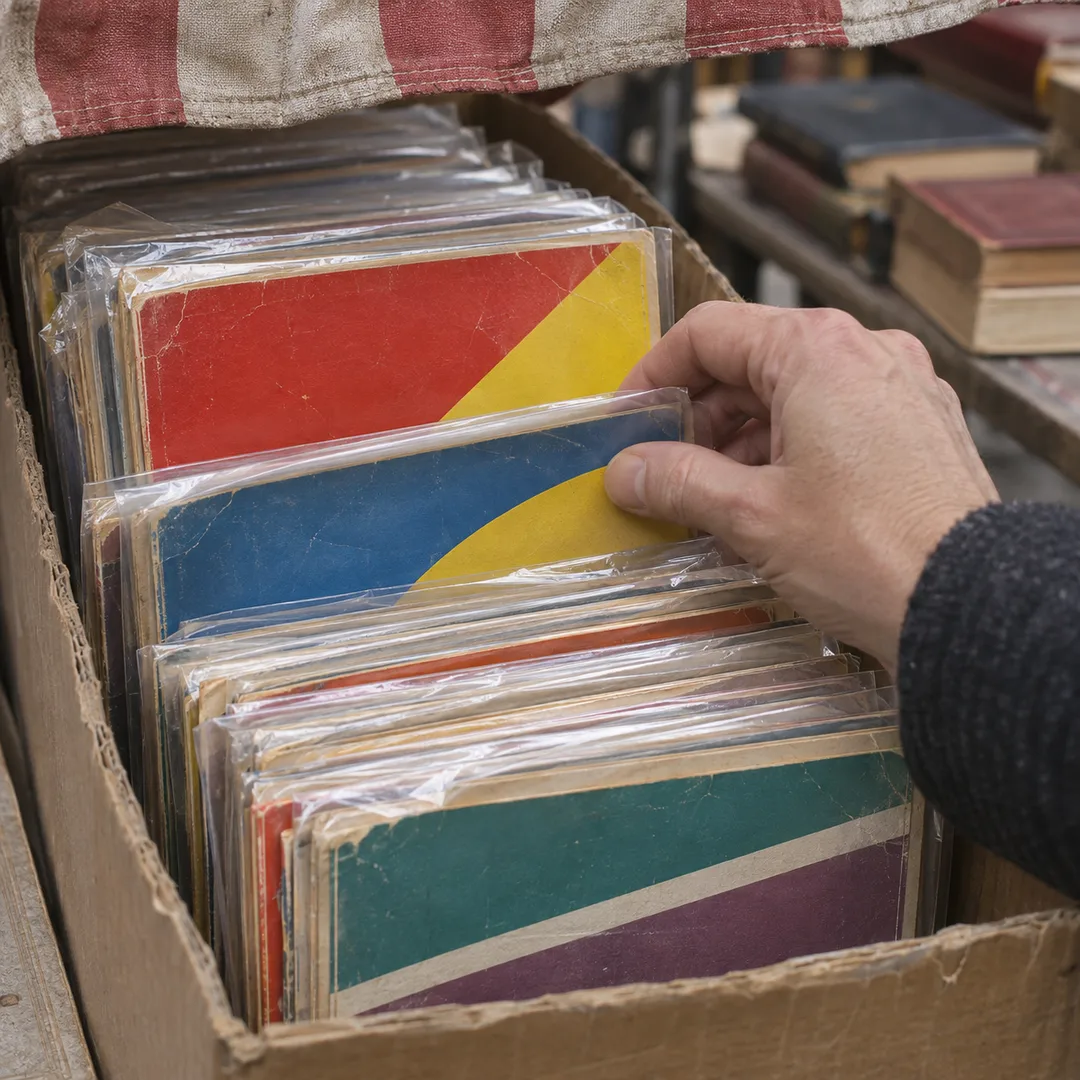
Stalls rarely sort their stock neatly. Learn the quick flick: tilt the box toward you, walk your fingers along the top edges and look only at titles and numbers. Do not stop to admire covers on the first pass, because you will run out of time.
Mark anything promising by pulling it up a few centimetres in the box. On your second pass, take those out one at a time and study them properly.
Judge Condition Like a Collector
Condition matters if you want a comic to last. Look at the spine for rolling or splits, check the corners for creases, and open to the centre pages to see whether the staples are firm and free of rust. Hold the cover up to the light to spot fading.
For manga volumes, look at the spine for sun bleaching and fan the pages to check for water damage or loose sections. A reading copy with a few marks is perfectly fine if you just want the story, so decide which kind of buyer you are before you start.
Hunting Old British Annuals
One of the joys of a London crawl is the hardback annual. These chunky, colourful books once arrived every winter for generations of children, packed with strips, puzzles and stories from favourite weekly comics. They turn up regularly at stalls and in second hand bookshops here.
Look for annuals with intact spines and puzzles that have not been filled in. If you are buying one as a gift for a parent or grandparent, choose a year close to their childhood and watch their face when they open it.
Some annuals also hold small surprises. Former owners wrote their names inside the cover, pressed flowers between pages or tucked in a birthday card. Those personal touches lower the collector value a little, yet many hunters treasure them as a glimpse of the child who once read the book.
Finding Loose Manga Volumes
Exchange shops and bookstalls often end up with odd volumes of manga series, sold off one at a time. That is a gift if you are missing volume seven of a run you have been building. It is less helpful if you want to start a series from the beginning.
Look carefully at the edition too. Translations and printings vary, and spine designs change between versions, so if a neat shelf matters to you, match the design to the volumes you already own.
Talking With Sellers
Market sellers are a source of knowledge as well as stock. Many have been trading for years and remember exactly where a box came from. Ask politely whether they have any more comics under the table or in the van. Stock often waits out of sight.
Be friendly and clear about what you are after. A seller who knows you are hunting a particular run may set things aside next time, which is how many collectors build lasting relationships on this street.
Carrying Your Finds Safely
Old paper is fragile. Bring a stiff folder or a flat cardboard sheet to slide single issues into, plus a tote that will not crush the corners. Clear plastic sleeves are worth packing if you already own a few.
Keep hardback annuals flat at the bottom of the bag and loose issues on top. If showers roll in, which they often do on a London afternoon, pause under an awning rather than racing to the next stall with an open bag.
Take a Breather in a Quiet Mews
Notting Hill is threaded with mews, narrow cobbled lanes lined with small painted houses that were once stables. Step into one between stalls and the noise of the market drops away almost at once.
Find a step or a bench, spread your finds on your knees and go through the stack properly. It is the perfect moment to tick items off your want list and decide whether to go back for the maybe pile.
Round Off the Day
Finish with a coffee near the station, or walk to Holland Park if you have the energy left. Its woodland paths and formal gardens are a calm place to read the first few pages of your favourite find.
At home, slide your best pieces into sleeves and store them upright away from sunlight. The care you give them now decides how they look in years to come.
Keep Hunting With Karpo
If the stalls come up short, open the Karpo app and ask for comic shops, second hand bookshops or exchange stores near you. It can point you toward the next box worth flicking through without losing the afternoon.
Ask Karpo for more information.
Keep reading
- Brixton Vintage Thrift Shop Finder: South London Retro Gems
 Notting Hill Vintage Thrift Shop Finder: Preloved Rails
 Soho Vintage Thrift Shop Finder: West End Designer Archives