 Brixton Vintage Thrift Shop Finder: South London Retro Gems
Hidden Gems & Odd Finds
Dalston Comic and Manga Shop Crawl for Zine Lovers
A Dalston crawl for zine and small-press fans: how to read a self-published shelf, what to swap or buy, and where to sit and fold your own mini-comic after.
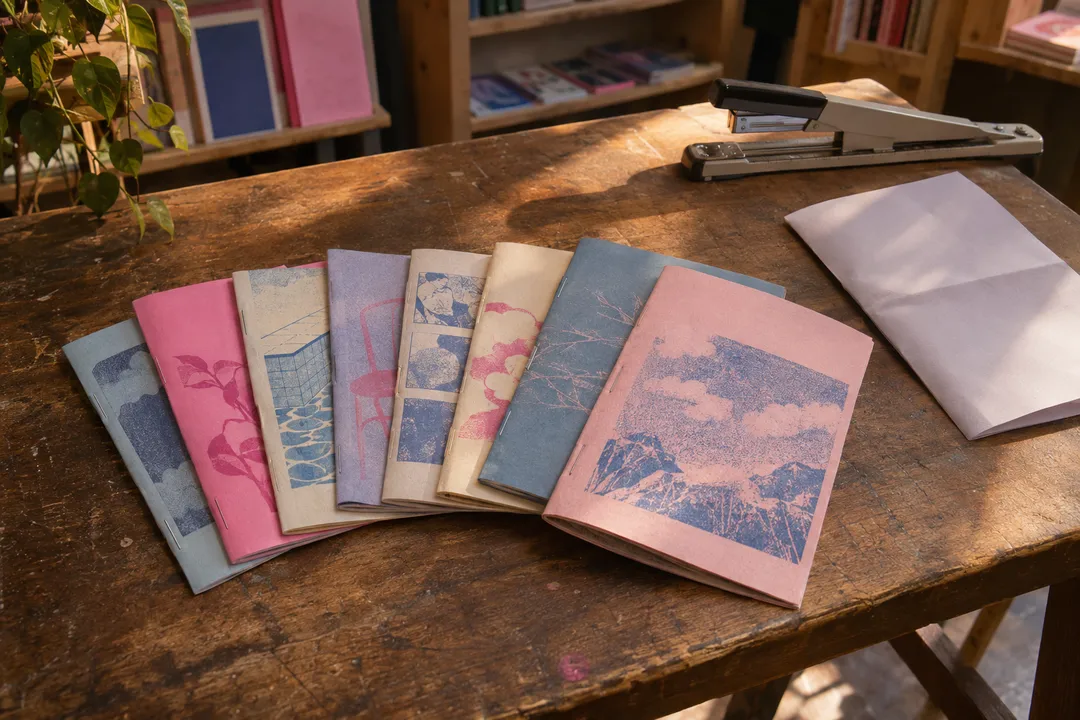
Some people go to a comic shop for the big series with fifty volumes. This walk is for the other shelf, the one near the till with photocopied zines, risograph minis and stapled first issues by people who live nearby. Dalston has long been a home for that kind of making, with musicians, artists and printmakers squeezed into flats above the shops. Give yourself an afternoon, carry small change in your head rather than a long list, and plan to leave with a few thin books and one you made yourself.
Why Dalston Suits a Small-Press Afternoon
Dalston changes character every few hundred metres. Kingsland High Street is loud and busy with buses and phone shops, while the side streets drop into quiet terraces, community gardens and converted workshops. Ridley Road Market sits right in the middle, a long run of fabric, fruit and fish stalls that has fed the area for generations. That mix of trade and creativity is exactly the soil zine culture grows in.
Independent comics in this part of London tend to turn up in places that are not only comic shops. A record store might keep a box of music zines by the counter, a bookshop may hold a rack of local minis, and community spaces sometimes run fairs where creators sell straight from their own tables. A good crawl here means looking in more than one kind of door.
Decide What Kind of Reader You Are Today
Before you leave home, choose a single mood for the walk. You might want autobiographical comics about everyday London life, strange short horror, queer love stories, or wordless drawings that play with paper and print. One mood keeps you from buying a pile of things you never open, and it gives shop staff something concrete to work with when you ask for a suggestion.
This is where Karpo helps. Tell the Karpo app the mood, the area and how long you have, and it can sketch a loose order for your stops and nearby places to sit. It will not tell you what is on a given shelf today, so treat the plan as a starting route and let the shops surprise you once you are inside.
How to Read a Self-Published Shelf
Small-press shelves are messy by nature. Titles lean against each other, spines are often blank, and the best pieces are folded sheets no thicker than a postcard. Start at one end and actually pick things up. Read the first page and the last page, look at the paper, and notice whether the maker cared about the cover or poured everything into the drawings inside.
Look for signs that a creator has kept going. A second or third issue on the shelf, a small sticker with a handle, or a note about a future fair tells you this is a person still making work. Those are the makers worth following, because next time you visit there may be something new waiting from them.
Ask the Person Behind the Counter
In shops that stock zines, the staff often know the makers personally. Some of them make comics themselves. Ask a simple question such as which local creator they would hand to a friend, and you will usually get a story about how the work arrived, who drew it and what else they have done. That conversation is half the reason to come.
Be polite about browsing. Zines are fragile and often the only copies on the shelf, so handle them by the edges, put them back where you found them and do not stack heavy books on top. If a shop has a swap box or a community noticeboard, take a moment to look, because that is where the next fair or workshop usually gets announced.
A Loose Route Through the Neighbourhood
Start near Dalston Junction, where the high street is busiest, and work your way through any shops with a small-press corner first while your attention is fresh. Then drift towards Ridley Road for a snack from the market and a break from looking at paper. The colour and noise of the stalls clear your head before the second half of the walk.
After the market, wander towards Gillett Square, a small open space surrounded by workspaces and a jazz club, where people sit on the low walls in all weather. From there it is easy to head north towards Stoke Newington or south towards Haggerston if you still have energy. Keep the route short, because a zine crawl is about slow reading rather than covering ground.
Make a Mini-Comic Before You Go Home
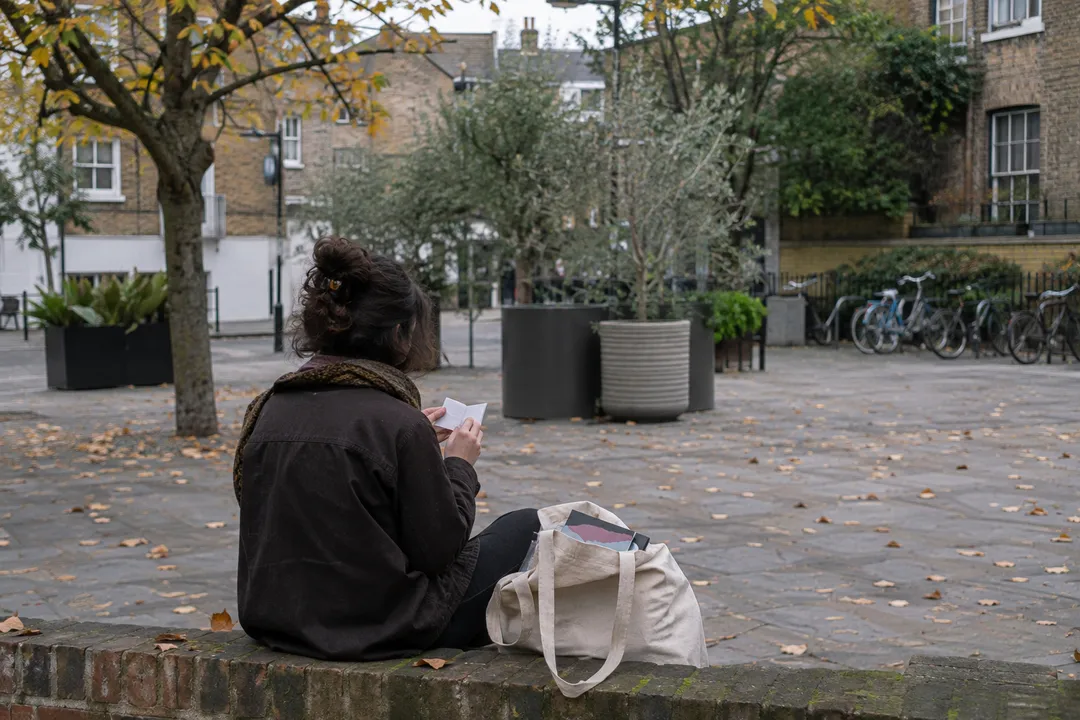
The best way to understand zines is to make one. All you need is a single sheet of A4 paper, a pen and a few minutes. Fold it into eight panels, make one small cut along the middle fold, and push it into a tiny eight-page booklet. Sit on a bench in the square and draw your afternoon in it, from the first shop to the snack you ate at the market.
It does not need to be good. The drawings you make right after reading other people's work are often the most relaxed you will ever do, because your head is full of new ideas. Some readers bring their minis back on their next visit and offer to swap with a creator at a fair, which is a lovely way to join in rather than only watching.
Carrying Thin Books Without Ruining Them
Zines crease and tear easily, so bring a stiff folder or a hardback notebook to slip them inside. A tote bag full of loose staples and paper will end the day with bent corners. If it rains, which in London it usually does at some point, keep the folder inside a second bag and read under cover rather than on an open bench.
When you get home, store them flat or standing upright in a box rather than squeezed between heavy books. Many collectors write the date and area on a sticky note inside the cover, which makes a nice record of each walk. Over a year that small archive becomes a map of the neighbourhoods you explored and the makers you met.
Turning One Visit Into a Habit
Small-press scenes reward people who come back. The same faces appear at fairs, the same shops slowly fill their racks with new issues, and creators remember readers who bought their first piece. Try to return every season, and keep a short list of names you liked so you can look for their next work rather than starting from nothing.
If you want company next time, invite a friend who draws, or someone who has never read a zine before and would enjoy the mix of market, music and paper. Ask Karpo for a new loose route each time, maybe pairing Dalston with a walk along the canal at Haggerston, and keep the afternoon slow enough that the reading stays the main event.
Ask Karpo for more information.
Keep reading
- Brixton Vintage Thrift Shop Finder: South London Retro Gems
 Notting Hill Vintage Thrift Shop Finder: Preloved Rails
 Soho Vintage Thrift Shop Finder: West End Designer Archives